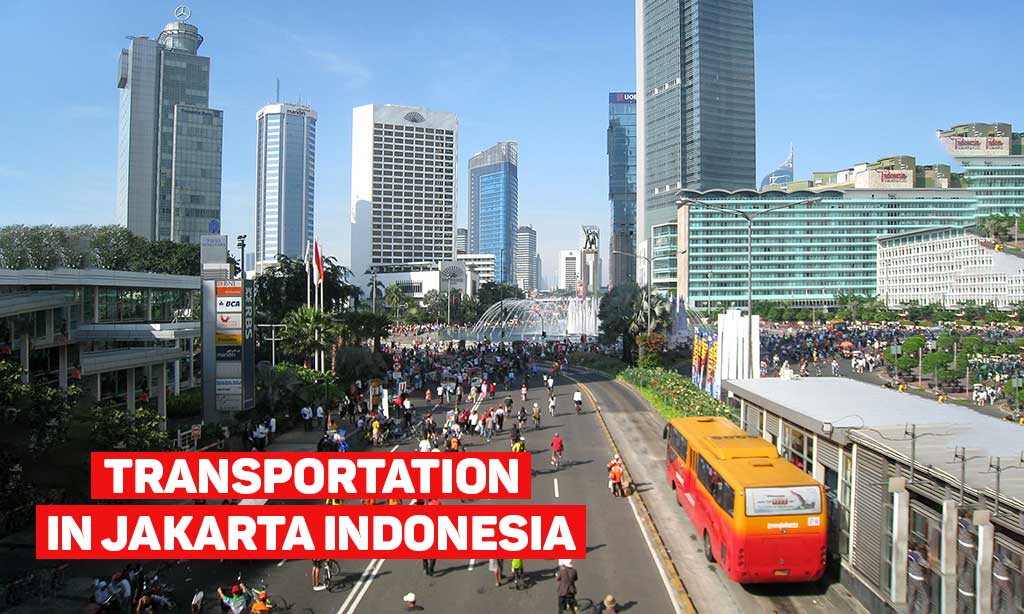
Hamka B. Kadi, a member of the Indonesian Parliament's Transport Committee, has called on the government to accelerate the development of the public transport system as a strategic step to reduce fuel consumption. This comes as part of the government's efforts to maintain economic stability, with Kadi expressing appreciation for the government's decision to keep fuel prices unchanged starting April 1, 2026, considering that this decision will help preserve citizens' purchasing power.
Kadi emphasized that controlling fuel consumption cannot solely rely on pricing policies but must be accompanied by a comprehensive improvement of the public transport system. He pointed out that the rising fuel consumption is closely linked to the use of private cars, which is increasing due to the lack of public transport services in terms of comfort, safety, and punctuality.
Details of the Event
In his statements, Kadi stressed the importance of the Indonesian Ministry of Transportation conducting a thorough assessment and improvements, not only in building infrastructure but also in enhancing service quality and system management. He explained that the ministry must ensure that public transport is not only available but also comfortable, safe, and punctual.
He also highlighted the importance of developing an integrated mass transit system among various transport modes to increase the efficiency of citizens' mobility. Kadi noted that the integration of different transport modes is vital, as having a well-connected system will make citizens more inclined to use public transport.
Background & Context
Historically, Indonesia has faced significant challenges in the transport sector, with many residents relying on private cars due to poor public transport services. This has led to increased fuel consumption, negatively impacting the environment and the economy. In recent years, the Indonesian government has begun taking steps to improve the transport system, but much work remains to be done.
Indonesia is one of the countries suffering from severe traffic problems, with the capital, Jakarta, ranking high on the list of the world's most congested cities. Therefore, improving the public transport system is an urgent necessity to enhance the quality of life and reduce congestion.
Impact & Consequences
Improving the public transport system in Indonesia could significantly reduce fuel consumption, contributing to environmental preservation and lowering carbon emissions. Additionally, this would help alleviate traffic congestion, leading to an improved quality of life for citizens.
Moreover, enhancing public transport can boost the local economy by increasing mobility and access to markets and job opportunities. Thus, investing in public transport is an investment in the country's future.
Regional Significance
Many Arab countries also face similar transport challenges, with many residents relying on private cars due to inadequate public transport services. Indonesia's experience in improving its public transport system could serve as a model for Arab countries seeking to reduce fuel consumption and enhance quality of life.
By promoting public transport, Arab countries can alleviate traffic congestion and reduce pollution, contributing to sustainable development goals.
In conclusion, improving the public transport system in Indonesia represents an important step towards achieving economic and environmental sustainability. Cooperation between the government and citizens in this area will have a positive impact on society as a whole.