Former Algerian President Lyamine Zeroual made provocative statements regarding the political situation in Algeria, emphasizing the need for radical changes. These remarks come at a critical time as the country faces increasing demands for political and economic reforms.
Zeroual, who led Algeria during a pivotal period in its history, spoke about the importance of listening to the voice of the people and the necessity of activating national dialogue. He stressed that Algeria needs a new vision that aligns with the aspirations of the youth, who represent a significant segment of society.
Details of the Event
During his address, Zeroual pointed out that the current situation requires political leaders to take bold steps to achieve stability. He also called for the enhancement of democracy and the activation of political institutions, affirming that Algeria needs leadership capable of facing current challenges.
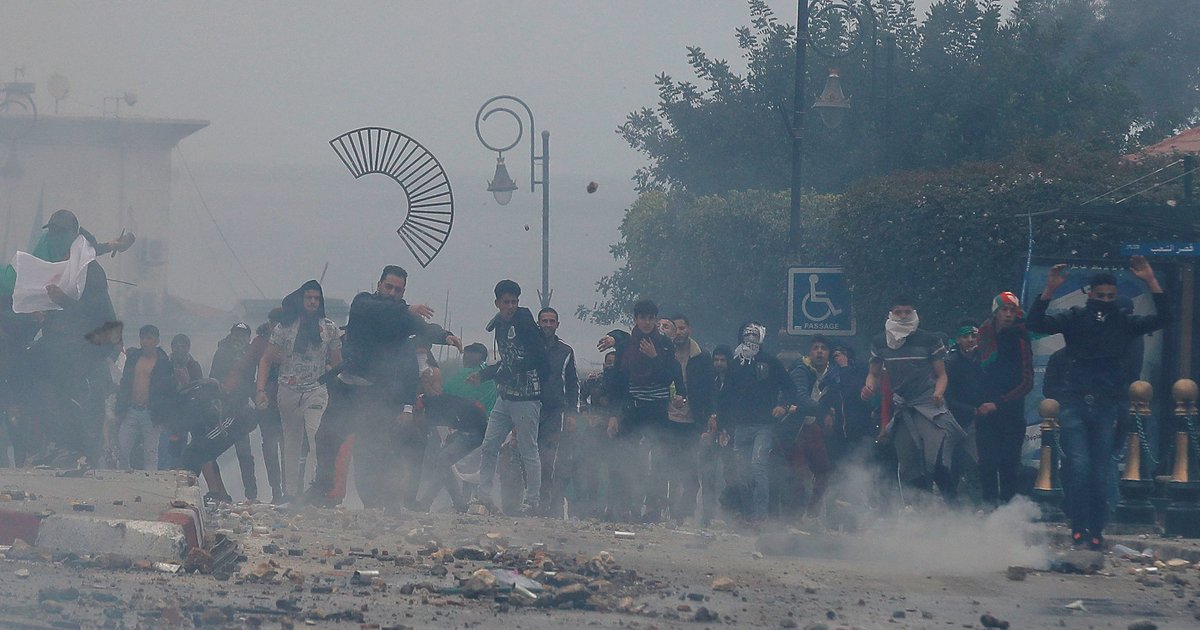
Zeroual's statements come at a time when Algeria is witnessing popular protests demanding reforms, as citizens express their dissatisfaction with the economic and social conditions. Surveys have shown that a large percentage of Algerians believe that the current government is unable to meet their needs.
Background & Context
Lyamine Zeroual assumed the presidency of Algeria in 1994, during a difficult period marked by a civil war. He was known for his efforts to achieve political and economic stability, making him a pivotal figure in modern Algerian history. Over time, Zeroual has become a symbol for many Algerians who seek change and reform.
In recent years, Algeria has witnessed significant political transformations, especially following the popular movement that began in 2019. This movement led to the resignation of former President Abdelaziz Bouteflika, opening the door for extensive discussions about the country's future.
Impact & Consequences
Zeroual's statements come at a sensitive time, as they could influence the political landscape in Algeria. They may strengthen the position of forces advocating for reform and increase pressure on the current government. Additionally, these remarks could encourage more citizens to engage in the political process and participate in national dialogue.
On the other hand, these statements may provoke varied reactions from political parties, as some factions could exploit them to bolster their position in the political arena. Consequently, this could lead to changes in existing political alliances.
Regional Significance
Algeria is considered one of the Arab countries facing significant political and economic challenges, and Zeroual's statements come within a broader context of popular demands for reform across many Arab nations. These demands reflect the people's desire for change and improved living conditions.
Moreover, the situation in Algeria could serve as a model for other countries in the region, as Algerian experiences may inspire other peoples to demand their rights and achieve democracy.
In conclusion, amid current challenges, Lyamine Zeroual's statements remain of great interest, reflecting the aspirations of the Algerian people for change and reform. As popular pressures continue, the question remains about how the government will respond to these demands and how this will impact Algeria's future.