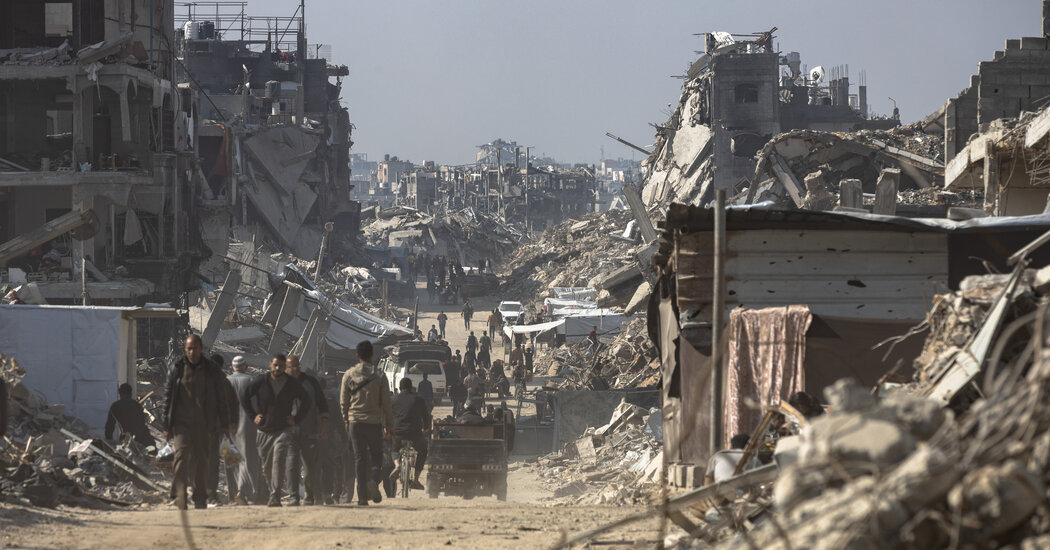
The Egyptian president emphasized the importance of reducing current tensions in the region, stressing the need for efforts to achieve stability and security. These statements come at a time when the Middle East is witnessing a rise in political and military tensions, necessitating regional and international efforts to mitigate these crises.
In his remarks, the president pointed out that the current tensions negatively affect national security and increase the suffering of the people. He called on all concerned parties to engage in dialogue and understanding, highlighting the importance of cooperation among Arab countries to achieve peace and stability.
Details of the Event
The president's statements come amid escalating tensions in several areas of the Middle East, including ongoing conflicts in Syria and Yemen, as well as tensions between some Arab countries. Recent days have seen intense diplomatic movements by some Arab nations in an attempt to calm the situation.
It was also emphasized that regional and international organizations play a crucial role in supporting peace efforts, as the president called for enhancing cooperation among Arab countries and activating initiatives aimed at achieving stability.
Background & Context
Over the years, the Arab region has witnessed numerous crises that have exacerbated humanitarian and political situations. Armed conflicts, economic crises, and political tensions between countries have all contributed to creating an unstable environment.
Historically, there have been multiple attempts to resolve conflicts in the region, but they have often faced significant obstacles. Today, the need for dialogue and understanding appears more urgent than ever, especially in light of new challenges emerging on the scene.
Impact & Consequences
If tensions are not reduced, this could lead to worsening humanitarian crises and increased displacement and asylum-seeking. Furthermore, the continuation of conflicts could negatively affect the regional economy, reflecting on the lives of citizens in various countries.
On the other hand, the success of efforts to reduce tensions could open new avenues for cooperation among Arab countries, contributing to sustainable development and enhancing regional security.
Regional Significance
The current tensions affect all Arab countries, as stability in any one country reflects on its neighbors. Therefore, the president's call for reducing tensions comes at a critical time, where everyone needs to work together for a better future.
In conclusion, hope remains pinned on the ability of Arab nations to overcome differences and work towards achieving peace and stability, which requires continuous efforts and effective cooperation.