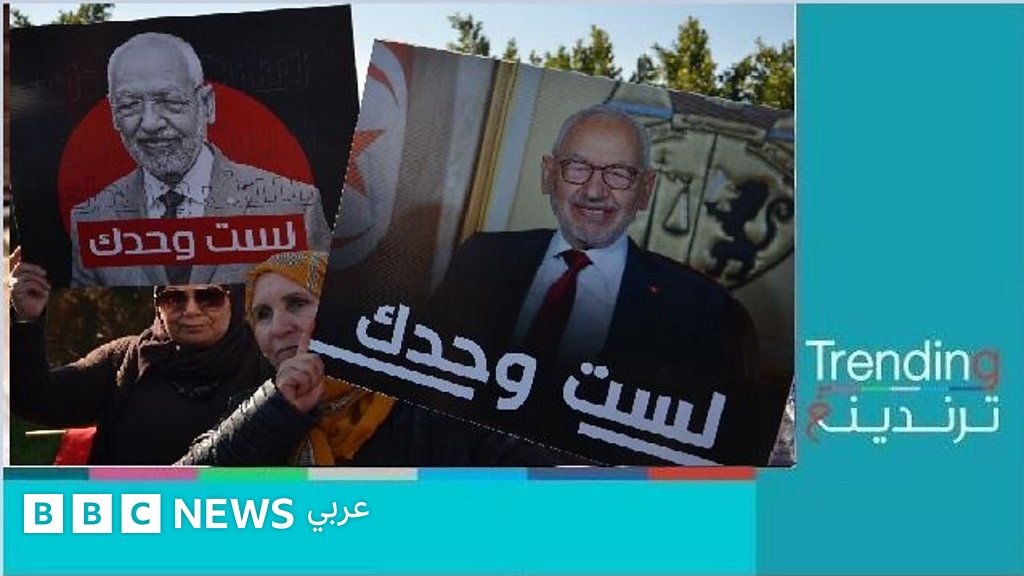
The Tunisian Ennahda Movement has demanded the release of its leader, former parliament president Rached Ghannouchi (84 years old), who was recently detained. The movement emphasized that the current international and regional circumstances require wisdom and solidarity, stressing the need for a national reconciliation that restores trust among Tunisians and unites their ranks.
This statement comes at a sensitive time for Tunisia, where political and economic pressures are increasing. The announcement was made on Wednesday via the movement's official Facebook account, reflecting the significance of the issue for Ennahda and the Tunisian public opinion.
Details of the Event
The calls for Ghannouchi's release occur amidst rising political tensions in Tunisia, where the country faces significant challenges related to political and economic stability. Ghannouchi was detained as part of investigations related to corruption allegations, which the movement considers a political targeting against it.
Ennahda, one of the prominent political forces in Tunisia, stated in its announcement that Ghannouchi's detention contradicts the principles of democracy and human rights, calling for his immediate release. It also indicated that the current circumstances necessitate national unity to confront the challenges facing the country.
Background & Context
The Ennahda Movement was founded in 1981 and has played a significant role in Tunisian political life following the 2011 revolution. The movement has experienced fluctuations in its popularity, facing criticism for its policies during its time in power. Ghannouchi, considered one of the founders of the movement, played a pivotal role in shaping the Tunisian political landscape post-revolution.
Historically, Tunisia has suffered from deep political divisions, with several political forces competing for power. These divisions have led to instability, negatively impacting the Tunisian economy and diminishing trust in government institutions.
Impact & Consequences
If the Ennahda Movement continues to pressure for Ghannouchi's release, it may escalate political tensions in the country. Furthermore, his continued detention could affect the movement's image and increase divisions between its supporters and opponents.
This issue is central to determining Tunisia's political future, as any escalation could lead to popular protests or even interventions by other political forces. Additionally, the deteriorating economic situation may increase pressures on the current government.
Regional Significance
Tunisia is considered a model of democracy in the Arab world, and any political developments there could impact neighboring countries. If Ennahda succeeds in achieving its demands, it may encourage other political movements in the region to assert their rights.
Conversely, if the situation continues to deteriorate, it could destabilize the entire region, raising concerns about the return of authoritarian regimes or the escalation of popular protests.
In conclusion, the case of Rached Ghannouchi is not merely an internal political issue, but reflects the significant challenges facing Tunisia and highlights the importance of national unity in confronting crises. All concerned parties must work towards achieving a national reconciliation that restores trust among Tunisians and contributes to the country's stability.