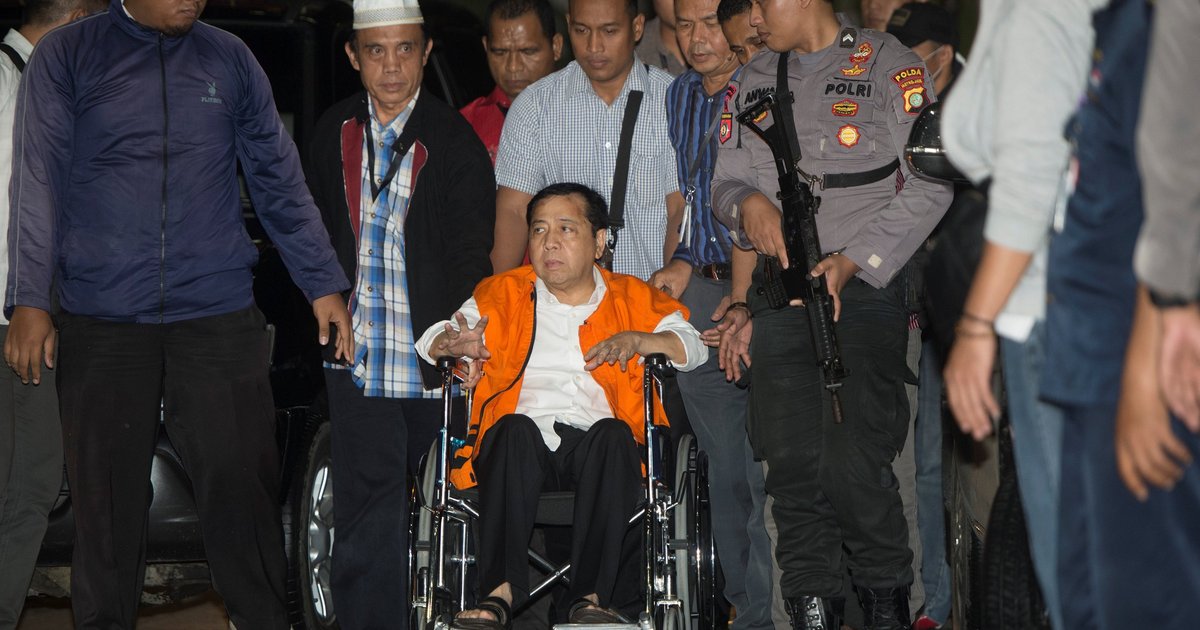
Members of the Indonesian Parliament's Legal Affairs Committee, known as Committee III, have emphasized the need to consider the release of Amal Saitbo, a photographer facing corruption charges related to a government project. This request was made during an official parliamentary meeting, where members expressed the importance of achieving justice in accordance with the prevailing legal values in society.
In a statement, the Chairman of Committee III, Habiburrahman, asserted that the court should take into account the facts presented during the trial sessions, stressing the necessity of achieving true justice rather than adhering strictly to formal laws. He also pointed out that the creative work of the photographer cannot be evaluated based on fixed prices, making the allegations related to budget inflation inaccurate.
Details of the Case
This call comes at a sensitive time, as Amal Saitbo faces allegations of corruption in a project aimed at producing promotional videos for villages in Karo Regency, North Sumatra. The Attorney General's office has requested a two-year prison sentence and a fine of 50 million Indonesian Rupiah, with the possibility of an additional prison sentence if the fine is not paid.
For its part, the spokesperson for the Attorney General's office confirmed that the agency would adhere to the legal justice path, indicating that there are legal mechanisms that must be followed, including the provision of defense by the accused and his lawyer. He clarified that the final decision will rest with the court, which will consider all the presented data.
Background & Context
The case of Amal Saitbo is one of many cases stirring controversy regarding the fight against corruption in Indonesia, where the government seeks to enhance transparency and accountability in government projects. Historically, Indonesia has witnessed numerous corruption scandals, leading to a loss of trust in government institutions. In recent years, serious steps have been taken to combat this phenomenon, but it remains a significant challenge.
The current case also reflects the tension between formal laws and social justice, as some believe that laws should adapt to the social and economic conditions of the accused individuals. Many observers consider this case a real test for the justice system in Indonesia.
Impact & Consequences
If Committee III's request for the release of Amal Saitbo is accepted, it could have a significant impact on how authorities handle corruption cases in the future. This may lead to increased trust in the legal system; however, it could also raise questions about the government's seriousness in combating corruption.
On the other hand, this case may increase pressure on the government to enhance transparency and accountability in all its projects, particularly those related to public budgets. There are also concerns that releasing Saitbo could undermine efforts to combat corruption, potentially harming the government's credibility in the eyes of citizens.
Regional Significance
The issue of corruption and its combat is also sensitive in many Arab countries, where numerous governments face similar challenges regarding transparency and accountability. Indonesia's experience could serve as an important lesson for Arab countries seeking to strengthen their legal systems and improve their image before their citizens and the international community.
In conclusion, the case of Amal Saitbo remains a focal point for many, reflecting the challenges faced by legal systems worldwide in their pursuit of justice and equality.