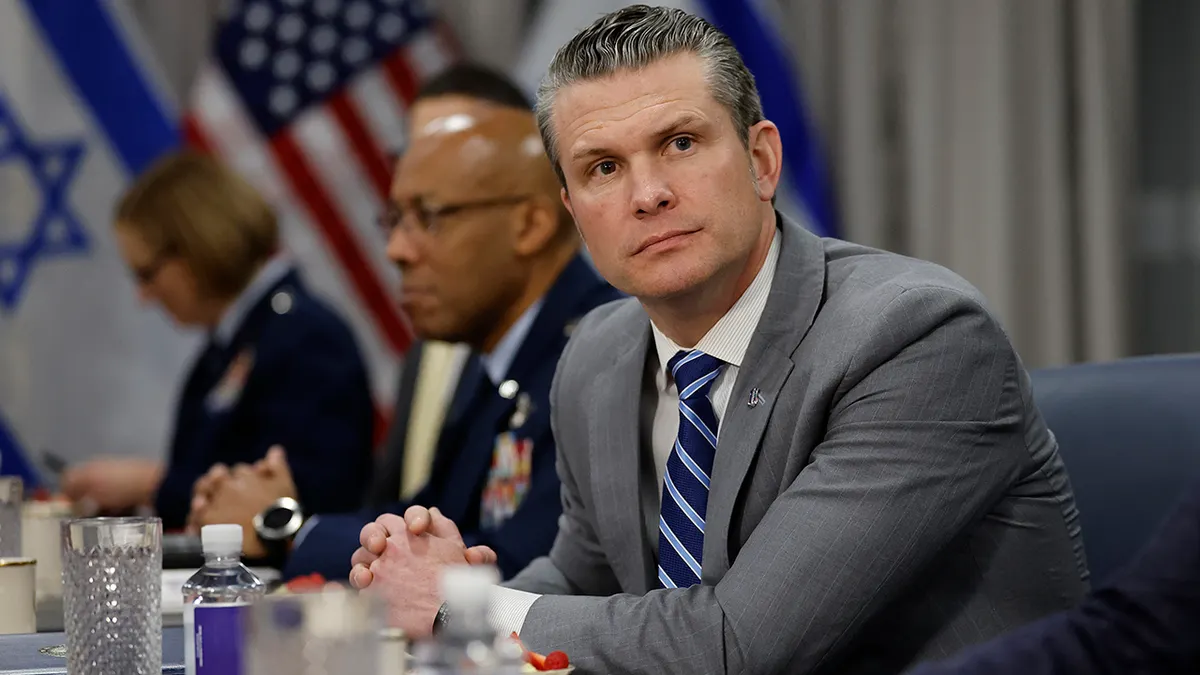
Media sources have reported that American political commentator Peter Hegseth has called for the resignation of US Army Chief of Staff, General Mark Milley, in a move that has sparked widespread debate in political and military circles. This call comes at a time when the US Army is facing significant challenges, both internally and in the context of increasing international tensions.
Hegseth, known for his controversial positions, indicated that the current leadership of the Army has not been up to the challenges facing the United States, necessitating radical changes in military leadership. His remarks were made during a television program, where he emphasized the importance of having leadership capable of addressing new challenges emerging on the global stage.
Details of the Event
Hegseth's call comes amid growing criticism directed at American military leadership, especially in light of recent developments in conflict zones such as Afghanistan and the Middle East. General Milley, who assumed his position in 2019, has faced criticism for his military strategies, particularly following the controversial US withdrawal from Afghanistan that raised widespread debate about how military operations were managed.
It is noteworthy that Hegseth is no stranger to political controversies, as he is considered one of the prominent conservative voices in American media. He is known for his strong positions on national security issues, making him a contentious figure in the political landscape.
Context and Background
Historically, the US Army has seen changes in leadership during times of crisis, where changing circumstances require leaders capable of adapting to new challenges. In recent years, the US Army has faced increasing pressures due to tensions with countries such as China and Russia, in addition to internal challenges related to military policies.
This call for the dismissal of General Milley is part of a broader discussion on how to manage the US Army under current conditions. With rising security threats, the question arises as to whether the current leadership is capable of effectively addressing these challenges.
Consequences and Impact
If the US administration responds to Hegseth's call, it could lead to significant changes in the military leadership structure, potentially impacting American military strategies in the future. Changes in leadership could create a state of instability within the Army, especially if there is no clear vision for the next steps.
On the other hand, this call may enhance the discussion on how to improve the performance of the US Army in facing new challenges. There may be an urgent need to develop new strategies that align with global geopolitical changes.
Impact on the Arab Region
Changes in American military leadership are particularly significant for the Arab region, where the United States plays a pivotal role in many regional issues. Any changes in leadership could affect American policies towards the Middle East, including relations with Arab countries.
In light of ongoing tensions in the region, changes in military leadership may have direct implications for regional stability, necessitating close monitoring by Arab countries to observe any shifts in American policy.
In conclusion, Hegseth's call for the dismissal of General Milley remains a contentious topic, opening the floor for broader discussions about the future of the US Army and its strategies in light of increasing challenges. It is important to follow developments in this context, as they may influence American military policies and international relations in the future.