Pakistani Prime Minister Shahbaz Sharif has called on all concerned parties to "exercise restraint" following the sudden attacks launched by Israel on Lebanon, which have provoked strong reactions from Iran. In a post on the platform "X", Sharif emphasized that respecting the two-week ceasefire, as agreed upon, is essential to pave the way for diplomacy to achieve a peaceful resolution to the conflict.
Amid escalating tensions in the region, Sharif expressed deep concern over the military escalation, noting that the continuation of attacks could exacerbate the situation and increase civilian suffering. He also stressed the necessity for all parties to adhere to the truce, reflecting the importance of dialogue and negotiation in resolving conflicts.
Details of the Incident
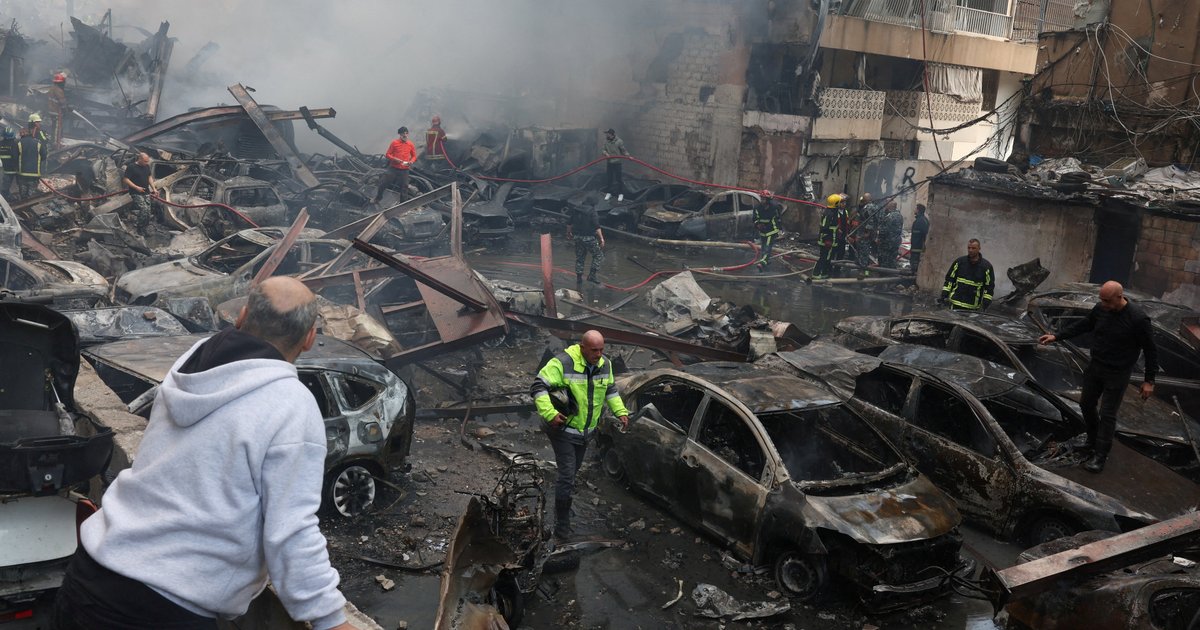
The recent Israeli attacks on Lebanon occurred at a sensitive time, as the region has been experiencing increasing tensions. Reports indicate that these attacks targeted multiple sites, resulting in casualties and injuries among civilians. At the same time, Iran has threatened to respond to these attacks, complicating the security situation in the region.
Sharif emphasized that "diplomacy must take the lead", reflecting Pakistan's vision for peace and stability in the region. He pointed out that the continuation of military escalation would only worsen the humanitarian situation, especially given the difficult circumstances faced by the Lebanese people.
Background & Context
Historically, relations between Israel and Lebanon have been marked by ongoing tensions, with several rounds of armed conflict. The recent attacks are part of a continuing escalation that has been ongoing for several months, raising fears of a comprehensive war in the region. Additionally, tensions between Iran and Israel play a pivotal role in this context, as Iran is considered a key ally of the Lebanese Hezbollah.
It is noteworthy that Pakistan, despite its geographical distance, closely monitors events in the Middle East, believing that stability in this region directly affects regional and international security. Pakistan has played a role in supporting Arab causes, particularly the Palestinian issue, reflecting its commitment to the principles of justice and peace.
Impact & Consequences
The recent military escalation could have serious repercussions at the regional level. If the attacks continue, we may witness greater military escalation, potentially dragging other countries into the conflict. Furthermore, the humanitarian situation in Lebanon could deteriorate further, necessitating urgent humanitarian interventions.
On the international front, these events may impact relations between major powers in the region, as the United States and European countries seek to achieve stability in the Middle East. These tensions could lead to a reassessment of military and political strategies by major powers.
Regional Significance
The events in Lebanon are part of a larger picture that encompasses many Arab countries. Tensions in Lebanon could affect security in neighboring countries, such as Syria and Jordan. Additionally, the continuation of the conflict may negatively impact peace efforts in the region, especially with other issues like the Palestinian cause at play.
In conclusion, hope remains pinned on diplomacy as a means to end the conflict and achieve peace. Shahbaz Sharif's call for restraint represents a positive step towards dialogue, but it requires genuine commitment from all parties involved.