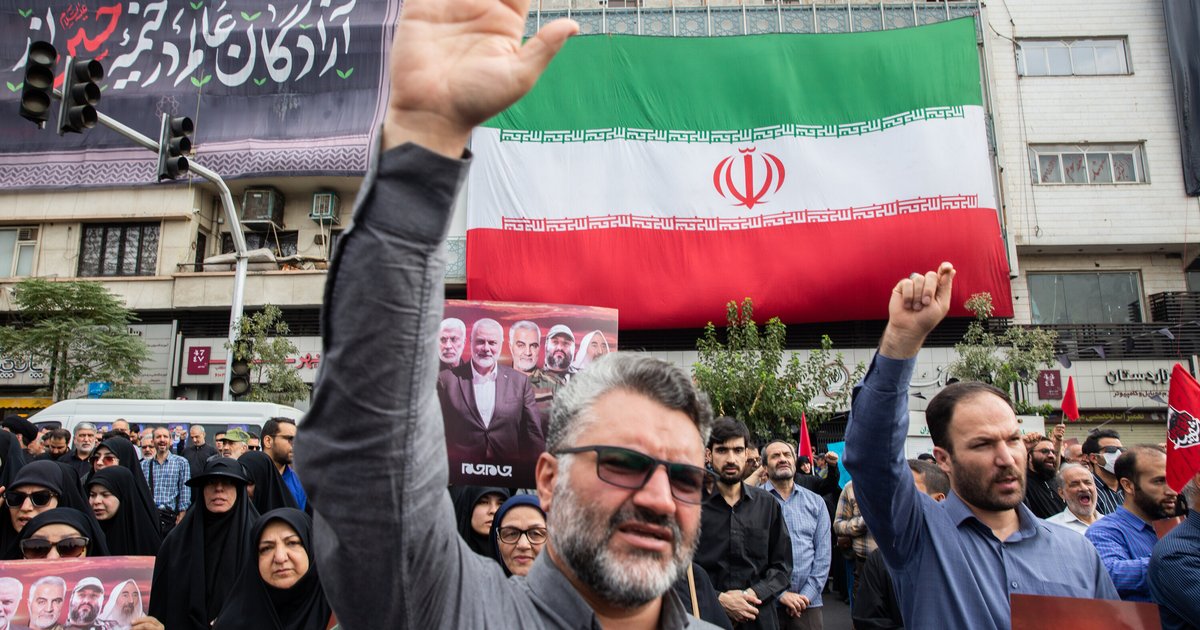
The International Atomic Energy Agency (IAEA) has urged all parties involved in the ongoing conflict in the Middle East to exercise restraint, emphasizing the importance of maintaining security and stability in the region. This call comes at a time when military tensions and nuclear threats are escalating, raising concerns among the international community about serious repercussions that could affect both regional and global security.
The agency confirmed in its statement that any escalation in hostilities could exacerbate the situation, potentially threatening the safety of nuclear facilities and increasing the risk of nuclear proliferation. The IAEA also urged the concerned nations to adhere to international treaties and agreements related to nuclear weapons and to work towards enhancing dialogue and mutual understanding.
Details of the Situation
This call for restraint comes as the region witnesses a rise in conflicts, particularly following recent events in several countries. The agency expressed its concern over the impact of these conflicts on peaceful nuclear programs, highlighting the need for effective mechanisms to ensure that nuclear technology is not used for military purposes.
The IAEA emphasized the importance of international cooperation in the field of nuclear energy, asserting that the peaceful use of nuclear energy can contribute to sustainable development. It called on nations to enhance transparency and mutual trust in this area.
Background & Context
The IAEA was established in 1957 as a United Nations agency aimed at promoting the peaceful use of nuclear energy and preventing the proliferation of nuclear weapons. The agency has played a crucial role in various nuclear crises around the world, consistently striving to balance the development of nuclear energy with the assurance of international security.
In recent years, the region has experienced numerous political and military crises, heightening fears regarding the use of nuclear weapons. These crises have significantly affected relations between countries, making the IAEA's calls for restraint even more critical at this juncture.
Impact & Consequences
The continuation of conflicts in the Middle East could lead to severe repercussions for both regional and international security. Military tensions could spark a nuclear arms race, increasing the likelihood of nuclear incidents. Furthermore, any escalation in the conflict could impact the stability of global markets, particularly in the energy sector.
The IAEA's call for restraint is a significant step towards achieving peace and stability in the region. However, the question remains: will the concerned parties respond to this call, or will they continue to escalate the conflicts?
Regional Significance
The situation in the Middle East directly affects Arab countries, as any escalation in conflicts could lead to serious humanitarian and economic repercussions. Moreover, security and stability in the region are fundamental factors for achieving sustainable development.
The IAEA's call serves as a reminder of the importance of cooperation among Arab nations in facing common challenges and enhancing dialogue to achieve peace. The current challenges require a shared vision and strong political will from all parties involved.
In conclusion, the IAEA's call for restraint in the Middle East conflict reflects the growing concern over the implications of disputes on regional and international security. Hope remains that the involved parties will respond to this call and work towards achieving peace and stability in the region.