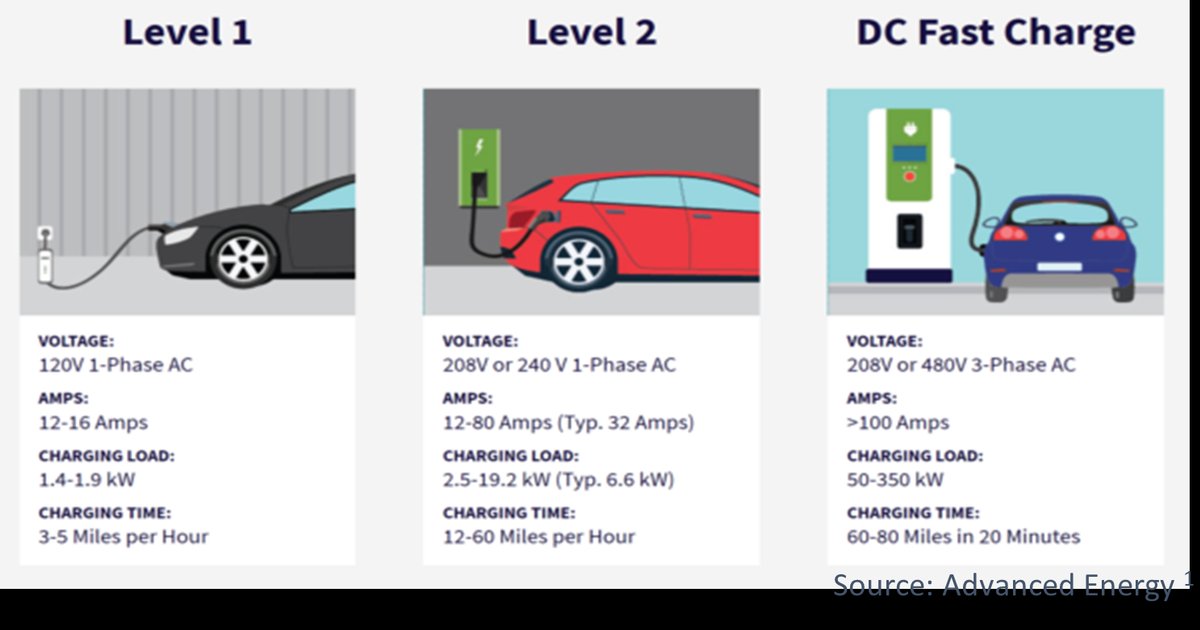
Ika Rahman Priandana, the head of the Electricity Technology Research Center at the Indonesian National Research and Innovation Agency (BRIN), has called for the standardization of chargers and sockets for electric vehicles to accelerate the adoption of these vehicles in Indonesia. This statement was made during a press conference held in Jakarta, where he pointed out that one of the main obstacles to the spread of electric vehicles is the lack of necessary charging infrastructure.
He clarified that challenges also include high battery costs and user concerns regarding range anxiety. He stressed that Indonesia faces additional difficulties due to a lack of investments in battery exchange infrastructure or fast charging.
Details of the Event
In his remarks, Ika noted that the business model for battery exchange faces several obstacles, ranging from the need for massive investments to profit-sharing issues with electricity providers. He added that the current technological trend leans towards electric vehicles with large integrated batteries, which requires a reliable fast charging infrastructure.
Ika emphasized that compatibility is crucial, stating that without standardized chargers and sockets, the electric vehicle charging system will not be able to evolve effectively. In this context, he announced an initiative to develop national standards (SNI) for electric vehicle chargers, based on the international standards IEC 62196-6 with modifications to suit local characteristics.
Background & Context
Indonesia is among the countries striving to adopt clean energy technologies, including electric vehicles, as part of its efforts to reduce carbon emissions. However, the challenges facing the country in this area are not unique, as many developing nations suffer from similar issues related to infrastructure and high costs.
Historically, Indonesia has experienced delays in developing the necessary infrastructure to support electric vehicles, negatively impacting the government's plans to expand the use of these vehicles. Nonetheless, current efforts to standardize regulations may represent a positive step towards achieving sustainability goals.
Impact & Consequences
If these standards are effectively implemented, they will contribute to enhancing investment in public electric vehicle charging stations, leading to increased reliance on these vehicles. Additionally, standardization will enable manufacturers to innovate without the need to unify battery designs, thereby enhancing market competitiveness.
Moreover, the development of a fast charging station like SONIK R2, designed to provide rapid charging up to 6.6 kilowatts, could significantly reduce charging times, making electric vehicles more appealing to consumers.
Regional Significance
Indonesia's experience in developing electric vehicle standards is particularly significant for Arab countries, which are also striving to enhance the use of clean energy. Arab nations can benefit from the lessons learned from Indonesia in developing the necessary infrastructure and regulations to support electric vehicles.
In light of the global trend towards sustainability, promoting the use of electric vehicles in Arab countries could contribute to achieving sustainable development goals and bolster efforts to combat climate change.