In light of the current crisis in the Middle East, which has significantly impacted global energy markets, business leaders in Thailand have called on the government to take serious steps towards enhancing energy security strategies. They emphasized the need to reduce dependence on imported energy and to broaden the use of renewable energy sources.
These calls come at a time when the world is experiencing sharp fluctuations in energy prices, prompting many companies to reassess their energy strategies. For instance, Sanan Angubolkul, CEO of Srithai Superware Plc, stated that energy costs account for about 10% of production costs, noting that the company has begun implementing energy conservation initiatives.
Event Details
Sanan explained that their energy strategy focuses on raising employee awareness about the importance of green energy, as well as enhancing collective activities that contribute to improving operations. The company also aims to increase the use of renewable energy, such as solar power, in its facilities.
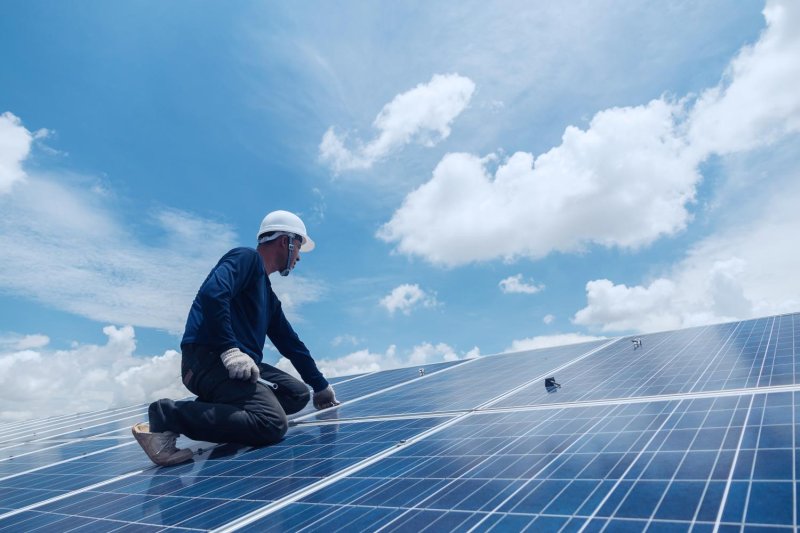
Srithai is a leading company in this field, generating approximately 25% of the electricity used in its facilities from rooftop solar panels. The company is also working to improve transportation efficiency by utilizing technologies such as GPS for efficient route planning and reducing empty trips.
Background & Context
Historically, Thailand has heavily relied on energy imports, making it vulnerable to geopolitical fluctuations. This dependency has increased in recent years due to global crises, such as the war in Ukraine and conflicts in the Middle East, which have affected oil and gas prices.
In this context, the Thai government is seeking to promote the use of renewable energy, which currently accounts for about 10% of the total energy sources used in the country. However, significant challenges remain regarding investment in the infrastructure needed to support this transition.
Impact & Consequences
Analyses indicate that the current energy crisis may open avenues for companies to adopt more sustainable energy solutions. For example, Thailand Post announced plans to replace gasoline-powered vehicles with electric ones, as fuel costs represent about 30% of total operating costs.
Moreover, major companies like Thai Union Group have begun implementing strategies to reduce greenhouse gas emissions, aiming to decrease reliance on fossil fuels by 42% by 2030. These steps reflect a shift towards renewable energy use and enhancing energy efficiency.
Regional Significance
Amid recurring crises in the Middle East, Arab countries must also reassess their energy strategies. Increasing reliance on renewable energy could enhance energy security in the region and mitigate the negative impacts of geopolitical crises.
Furthermore, shifts in the energy market may open new investment opportunities in renewable energy projects, contributing to achieving sustainable development goals in Arab countries.