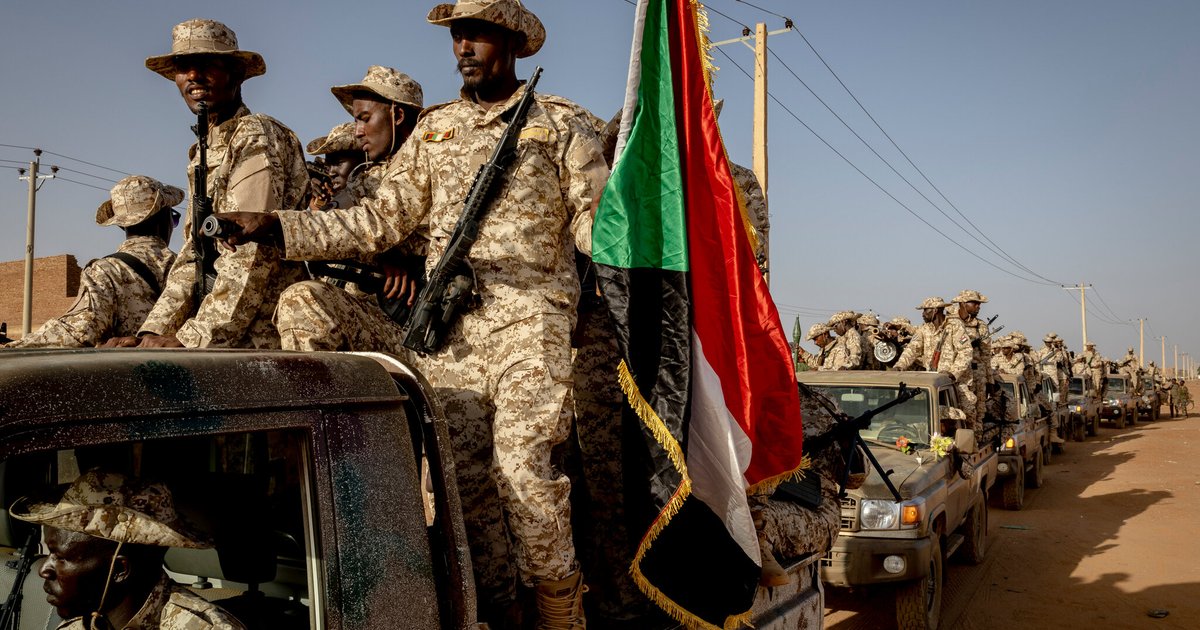
In a serious escalation of events in Sudan, an Islamist leader has called on the new leadership of the Sudanese army to use chemical weapons once again in the war that has been raging since April 2023. This call comes at a time when the intensity of the conflict between the warring parties is increasing, raising fears of new violations of international laws regarding the use of prohibited weapons.
Clashes in Sudan have continued since the outbreak of the conflict between the Sudanese army and the Rapid Support Forces, resulting in hundreds of deaths and thousands of displaced individuals. As international pressure mounts on the warring parties, this call to use prohibited weapons complicates the humanitarian and political situation in the country further.
Details of the Controversial Statement
In a controversial statement, the Islamist leader urged the Sudanese army to adopt a more aggressive strategy that includes the use of chemical weapons, which is considered a clear violation of international laws. These remarks come at a sensitive time when many countries are seeking to mediate the conflict and provide humanitarian assistance to those affected.
It is important to note that the use of chemical weapons is prohibited under international treaties, including the Chemical Weapons Convention, which aims to prevent the proliferation and use of such types of weapons. However, this call raises questions about the commitment of the warring parties to international laws.
Background & Context
The history of the conflict in Sudan dates back many years of political and social strife, with the country experiencing significant changes in governance since the ousting of former President Omar al-Bashir in 2019. Since then, the country has witnessed an escalation in armed conflicts, particularly between the army and the Rapid Support Forces, exacerbating the humanitarian situation.
The Sudanese army, which has played a key role in managing the country over the past decades, faces significant challenges in controlling the security situation. Meanwhile, the Rapid Support Forces are seeking to enhance their influence in the country, complicating the political and military landscape further.
Impact & Consequences
If the call to use chemical weapons is implemented, it could lead to dire humanitarian and political consequences. The intensity of the conflict is likely to escalate, causing further destruction and loss of life. Additionally, the use of such weapons may provoke strong international reactions, including sanctions against the responsible parties.
Moreover, this call could negatively impact peace efforts pursued by many countries and international organizations. Increased pressure on the Sudanese government from the international community is expected, which could lead to its isolation on the global stage.
Regional Significance
The situation in Sudan has direct implications for security and stability in the Arab region. The ongoing conflict could lead to new waves of refugees flowing into neighboring countries, increasing the economic and social burdens on those nations. Furthermore, the escalation of the conflict may open the door for external interventions, complicating the regional situation further.
In a related context, the conflict in Sudan exemplifies the complex struggles faced by many Arab countries, where political, social, and economic factors intertwine, necessitating a comprehensive response from the international community.
In conclusion, the call for the use of chemical weapons in Sudan represents a serious escalation in the ongoing conflict, raising fears of new violations of international laws. The situation in Sudan requires urgent attention from the international community to ensure the protection of civilians and achieve sustainable peace in the country.