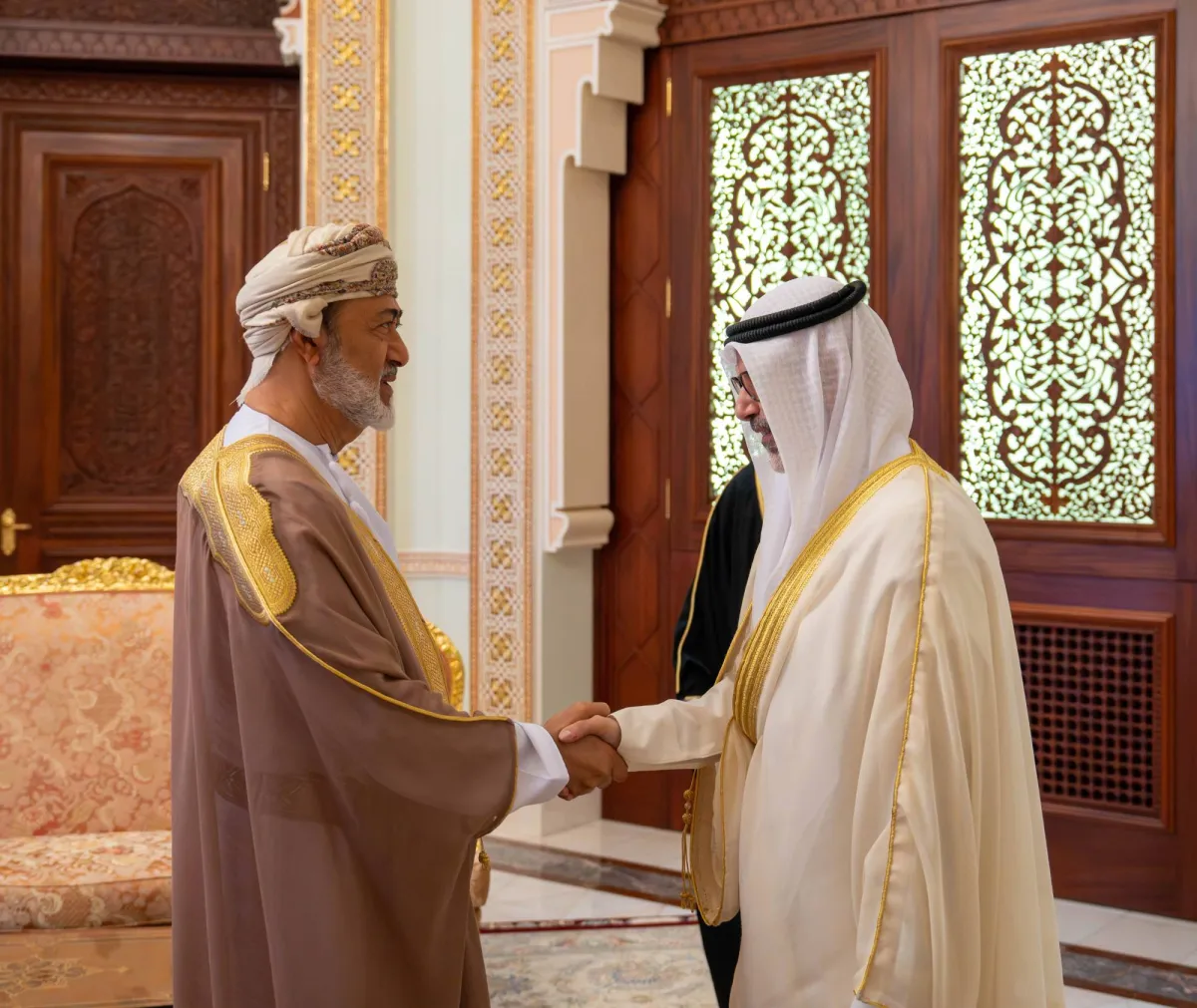
Sultan Haitham bin Tariq, the Sultan of Oman, has called for the necessity of intensifying efforts to achieve de-escalation and reduce tensions in the Gulf region, particularly in light of the escalating conflict between the United States and Israel on one side and Iran on the other.
This statement was made during his reception of Sheikh Jarrahi Jaber Al-Ahmad Al-Sabah, the Kuwaiti Foreign Minister, at Al-Barakah Palace in Muscat, where the Sultan reaffirmed Oman’s vision regarding the current war and the collaborative efforts required to achieve stability.
Details of the Meeting
Sultan Haitham stated that sustainable solutions are the key to resolving crises at their roots, ensuring the security and stability of the region and the safety of its peoples. The Kuwaiti minister conveyed the greetings of the Emir of Kuwait, Sheikh Mishal Al-Ahmad Al-Sabah, during the meeting, which addressed the current events in the region.
The Sultan listened to the Kuwaiti minister's perspectives on the ongoing war and its painful repercussions on the countries in the region and the global economy. Oman's Foreign Minister, Badr bin Hamad Al-Busaidi, also attended the meeting, reflecting the importance of cooperation among Gulf states in facing security challenges.
Background & Context
The Sultan's call coincides with rising tensions in the region, as Saudi Arabia condemned the incursion by an Israeli government minister into the Al-Aqsa Mosque courtyards, emphasizing the need to respect Islamic sanctities. It also highlighted the importance of the international community's role in halting Israeli violations.
At the same time, Gulf air defenses have intercepted Iranian missile and drone attacks, with Bahrain revealing the arrest of suspects accused of espionage for Iranian intelligence, showcasing the security challenges facing the region.
Impact & Consequences
The current situation requires an immediate response from the concerned countries, as continued escalation may lead to worsening humanitarian and economic crises in the region. Furthermore, Israeli violations could provoke strong reactions from regional countries, complicating the security landscape.
These events represent a real test of the ability to achieve peace and stability in the Gulf region, necessitating the concerted efforts of both international and regional stakeholders to find effective solutions.
Regional Significance
The ongoing crises directly impact the security and stability of Arab countries, as any escalation could have negative repercussions on the regional economy. Additionally, the persistence of conflicts may hinder development efforts and increase the suffering of peoples.
In conclusion, Sultan Haitham bin Tariq's call for sustainable solutions is a positive step towards achieving peace; however, it requires effective cooperation from all involved parties.