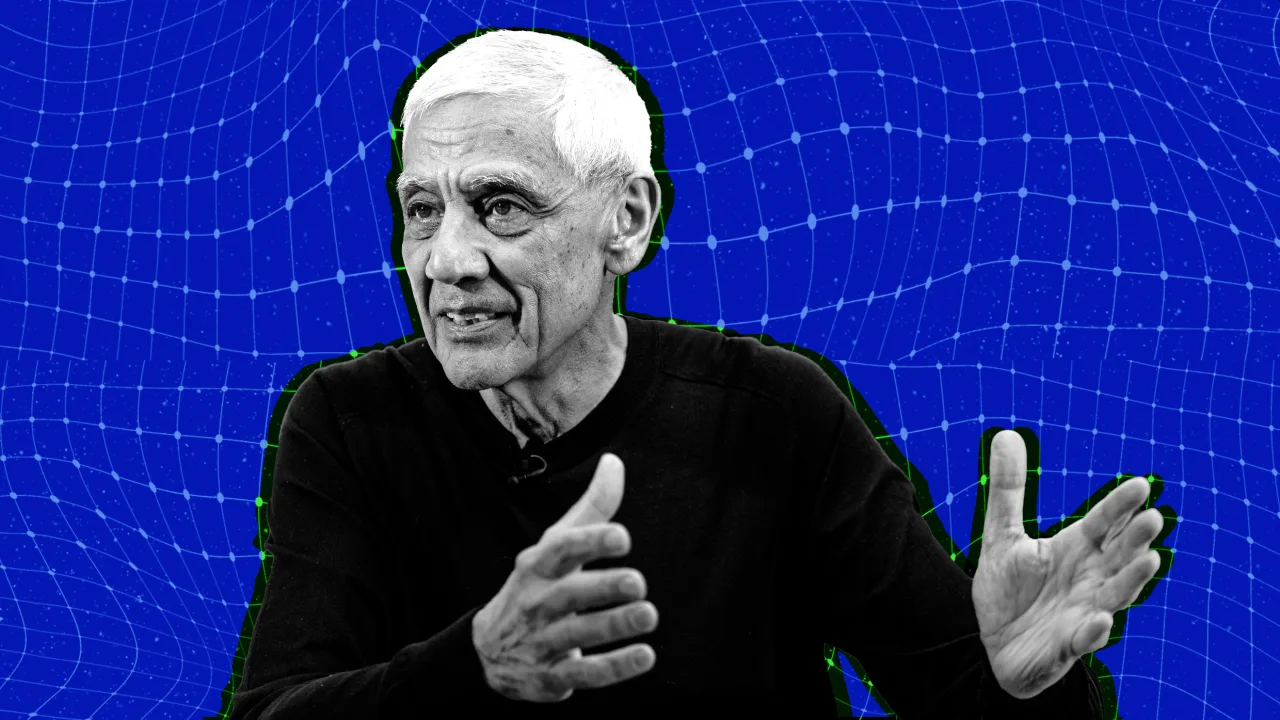
Prominent technology investor Vinod Khosla has indicated that growing concerns among voters regarding the impact of technology, especially artificial intelligence, on job loss will play a pivotal role in shaping the outcomes of the upcoming U.S. elections. Khosla noted that these concerns necessitate a comprehensive reevaluation of the tax system in the United States.
In his remarks, Khosla stressed that the rapid advancement of technology, including artificial intelligence, is causing increasing anxiety among workers, as many feel threatened by the loss of their jobs due to automation. According to him, these fears could lead to significant changes in the upcoming electoral policies, as candidates seek to address these issues effectively.
Event Details
Khosla, regarded as one of the leading investors in the technology sector, pointed out the urgent need for tax reform in the United States to confront the challenges posed by artificial intelligence. He explained that the current tax system may not be suitable for addressing the economic impact of modern technology, prompting a reconsideration of how to tax companies benefiting from automation.
He also added that voters in the United States are facing new challenges related to jobs, with rising concerns that artificial intelligence may reduce traditional job opportunities. He emphasized that these issues will influence how voters cast their ballots, making them a central focus in the upcoming election campaigns.
Background & Context
Historically, the United States has experienced significant shifts in the labor market due to technological advancements. Since the Industrial Revolution, there have been fears that automation and technology could lead to job loss. With the emergence of artificial intelligence, these concerns have escalated dramatically, as it has become clear that many jobs reliant on human labor may be at risk.
In recent years, major companies have begun integrating artificial intelligence into their operations, leading to improved efficiency and reduced costs. However, this progress has come at the expense of many traditional jobs, increasing anxiety among workers and prompting calls for reforms in economic policies.
Impact & Consequences
Khosla's statements serve as a wake-up call for policymakers in the United States, indicating the need for urgent action to address the growing concerns among voters. If these issues are not effectively managed, they could lead to unexpected outcomes in the upcoming elections, as voters may lean towards political options that reflect their fears.
Furthermore, these transformations could impact the U.S. economy as a whole, potentially leading to changes in how wealth and opportunities are distributed. If fears of job loss continue to rise, we may witness increasing calls for comprehensive economic reforms.
Regional Significance
The implications of artificial intelligence and the digital economy extend beyond U.S. borders, as many Arab countries face similar challenges. With the growing use of technology in the region, traditional workers may be at risk of losing their jobs, necessitating a swift response from governments.
In this context, Arab nations must consider how to enhance education and vocational training to address the challenges posed by artificial intelligence. Clear policies should also be established to support workers affected by technological changes, ensuring that the economic and social gap does not widen.
In conclusion, Khosla's remarks highlight the necessity for governments to rethink how they address the challenges posed by artificial intelligence, both in the United States and in Arab countries. Understanding these dynamics will be crucial for ensuring a sustainable future for all.