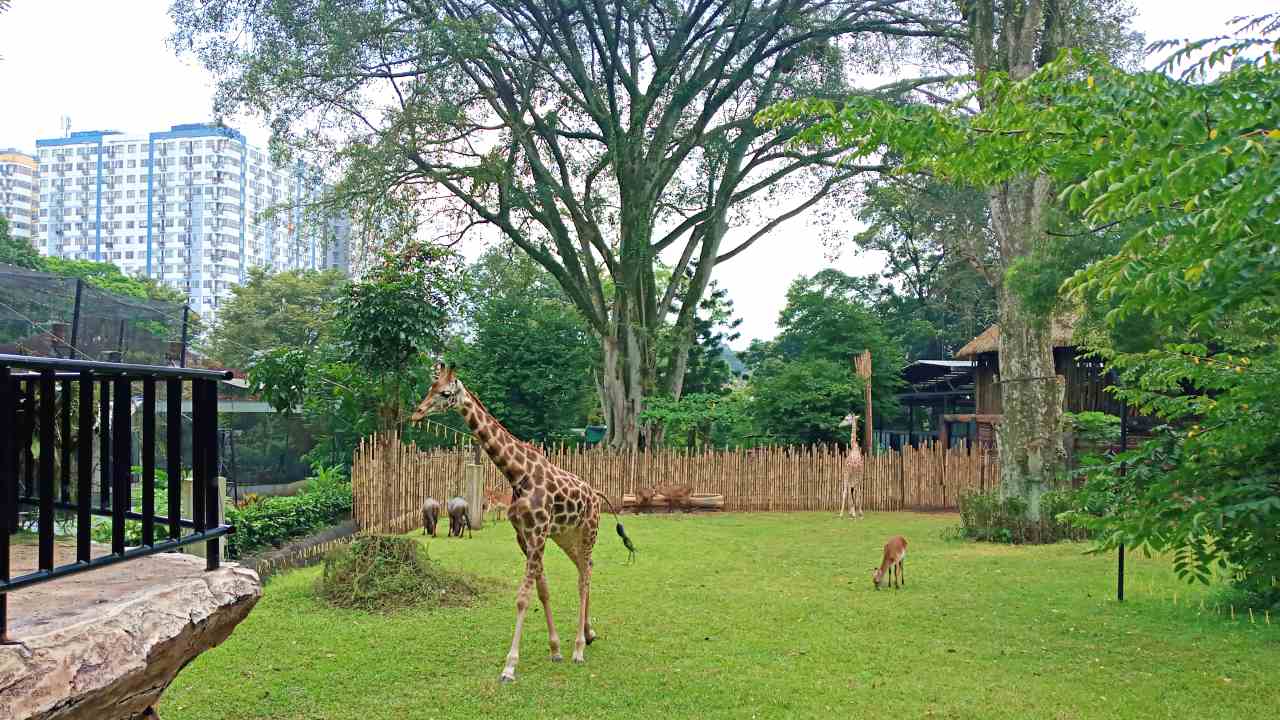
Teddy Rusmawan, a member of the Agricultural Affairs Committee in West Java's regional parliament, has emphasized the necessity of conducting a transparent and professional selection process for new management at the Bandung Zoo. He stated that the team responsible for selecting the management should consist of individuals with experience and competence in animal management, ensuring that a capable administration is chosen to improve the current situation of the zoo.
Rusmawan pointed out the importance of preserving the rights of the current employees at the zoo, who have extensive experience working there. He stressed the need to not overlook these employees during the transition process, as they represent an essential part of the success of any new management.
Details of the Incident
These demands come at a sensitive time following the deaths of two Bengal tigers at the zoo, raising widespread concern about the safety of the animals and the conditions of their management. Rusmawan expressed his sorrow over this incident, emphasizing the need for cooperation among relevant parties, including the zoo management and local authorities, to ensure the safety of the animals in the future.
He also called for guarantees to the public regarding the care of the animals in the zoo, noting that this issue has become a matter of public concern. He highlighted the importance of taking effective steps to prevent the recurrence of such incidents in the future.
Background & Context
Historically, the Bandung Zoo has been one of the main tourist destinations in Indonesia, attracting visitors from various parts of the country. However, the zoo has faced increasing criticism in recent years due to mismanagement and the conditions of the animals. This criticism has prompted local authorities to reconsider how the zoo is managed.
Managing zoos presents a significant challenge, requiring specialized expertise in animal care and providing a suitable environment for them. Numerous studies have shown that good management directly affects the health and well-being of the animals, which in turn reflects on the zoo's reputation and its ability to attract visitors.
Impact & Consequences
The calls for restructuring the management of the Bandung Zoo represent an important step towards improving the current situation. If these changes are implemented effectively, they could lead to better conditions for the animals and attract more visitors, contributing to the enhancement of the local economy.
On the other hand, failure to take effective action could exacerbate the existing problems, negatively impacting the zoo's reputation and reducing visitor numbers, thereby affecting financial revenues.
Regional Significance
Issues related to zoo management are significant not only in Indonesia but also in many Arab countries. Zoos in the region face similar challenges regarding animal management and conditions. The experiences and lessons learned from the Bandung Zoo could be beneficial for Arab countries in improving their management practices.
Ultimately, improving zoo management requires cooperation between local authorities and communities to ensure animal welfare and enhance overall conditions.