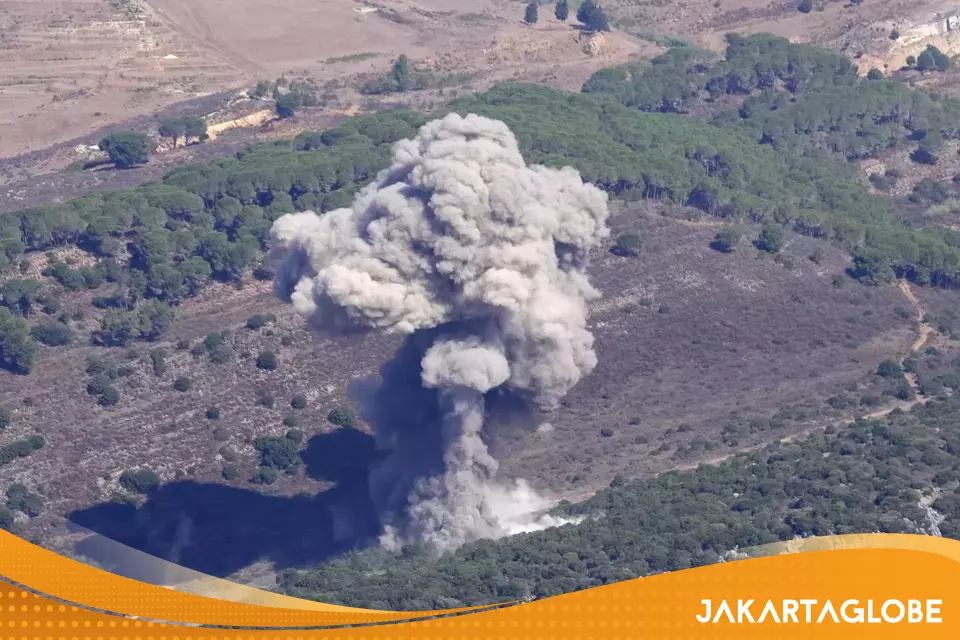
The Indonesian government, represented by Minister of Political and Security Affairs Diamary Chaniago, has called on the United Nations to conduct a transparent and urgent investigation into the attack that led to the deaths of three Indonesian peacekeepers in Lebanon. This request follows an attack on Indonesian forces operating within the United Nations Interim Force in Lebanon (UNIFIL), which resulted in the loss of three soldiers' lives, raising significant concerns about the safety of peacekeeping forces in the region.
Chaniago emphasized that the Indonesian government demands a swift and comprehensive investigation, stressing the need to hold those responsible for this attack legally accountable without any immunity. He pointed out that the recurrence of attacks on peacekeepers reflects a lack of commitment to ensuring the safety of these forces by the conflicting parties in the region.
Details of the Incident
On March 29 and 30, 2026, Indonesian forces in Lebanon were subjected to two separate attacks. The first attack resulted in the death of Farizal Romadon due to artillery shelling near Adshit al-Qasr, while both Mohammad Noor Eishwan and Zulmi Aditya Iskandar were killed as a result of a car explosion in the Bani Hayyan area. These incidents occur at a sensitive time as peacekeeping forces strive to stabilize the troubled region.
Chaniago expressed his sorrow over the loss of these soldiers, noting that they were among the best personnel in the Indonesian army, and that this incident represents a deep wound for the Indonesian armed forces.
Background & Context
Historically, southern Lebanon has witnessed numerous armed conflicts, with international peacekeeping forces present since 1978. UNIFIL has been tasked with monitoring the ceasefire between Lebanon and Israel and supporting Lebanese authorities in maintaining security and stability. However, the recurring attacks on peacekeeping forces indicate rising tensions in the region, threatening peace efforts.
These incidents are part of a series of attacks that peacekeeping forces have faced in recent years, raising questions about the effectiveness of the security measures in place to protect these troops. Reports have indicated an urgent need to review security protocols to ensure the safety of soldiers operating in conflict zones.
Impact & Consequences
These incidents serve as a warning to the international community about the need for more effective measures to protect peacekeeping forces. If these attacks are not taken seriously, peacekeepers from other countries may also be at risk, potentially exacerbating the security situation in the region.
Moreover, these events could affect international relations, as other nations may take steps to reduce their participation in peacekeeping missions if attacks continue without accountability. This could lead to a security vacuum in conflict areas, complicating the situation further.
Regional Significance
The repercussions of this incident extend beyond Lebanon, reflecting the deteriorating security situation in the region as a whole. The increase in attacks on peacekeeping forces may lead to heightened tensions among Arab states, highlighting the weakness of security coordination among various parties.
Under these circumstances, Arab countries must enhance cooperation among themselves to ensure the safety of peacekeeping forces and work towards finding peaceful solutions to ongoing conflicts. Maintaining security and stability in the region requires collective efforts and effective international cooperation.