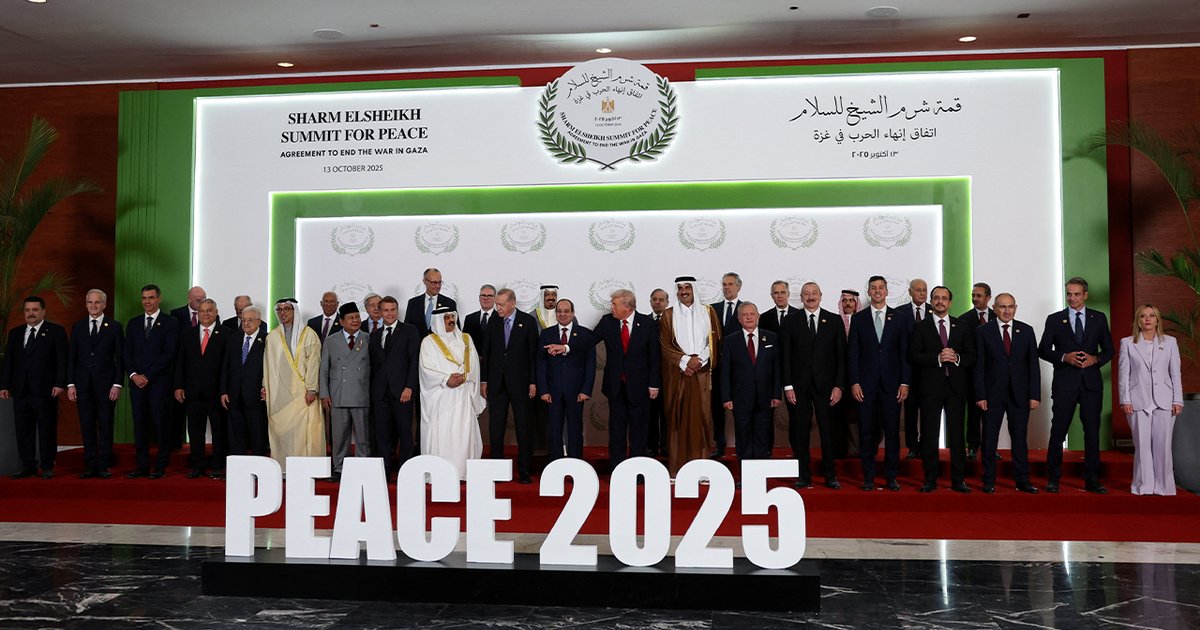
Egyptian President Abdel Fattah el-Sisi has called on former U.S. President Donald Trump to use his influence to halt armed conflicts, asserting that no one else can stop the war. These statements were made in the context of Egypt's ongoing efforts for peace in the region, where Sisi aims to enhance dialogue and understanding among conflicting parties.
During a phone call, Sisi highlighted the importance of the United States' role in achieving stability in conflict areas, emphasizing that American intervention could significantly contribute to ending ongoing conflicts. These remarks come at a time when the world is witnessing a rise in conflicts, raising concerns about the humanitarian situations in those regions.
Details of the Event
Sisi's call comes at a sensitive time, as tensions are escalating in several regions around the world, including the Middle East. Sisi expressed his readiness to cooperate with all concerned parties to achieve peace, indicating that dialogue is the optimal way to resolve conflicts.
He also stressed the necessity of international efforts to address the challenges facing humanity, noting that war not only harms the conflicting countries but also affects global security and peace. Trump has shown a willingness to listen to Sisi's perspectives, reflecting the importance of Egyptian-American relations in this context.
Background & Context
Historically, the United States has played a pivotal role in many conflicts around the world, with its military and political interventions significantly impacting the course of events. Since Sisi assumed power, Egypt has sought to enhance its role as a mediator in regional conflicts, especially amid ongoing tensions in Gaza, Syria, and Libya.
Egypt is considered one of the leading countries in diplomacy, having hosted numerous talks between conflicting parties. Previous experiences have shown that dialogue is the best solution for achieving peace, making Sisi's call to Trump part of a clear strategic framework.
Impact & Consequences
If Trump responds to Sisi's call, it could have a significant impact on the course of events in the region. U.S. intervention could potentially ease the intensity of conflicts, contributing to improved humanitarian conditions in affected areas.
This step could also enhance Egypt's position as a key mediator in regional conflicts, opening the door for it to play a larger role in international politics. If successful, these initiatives could contribute to achieving stability in the region, which the world currently needs.
Regional Significance
Sisi's call to Trump serves as a strong message to the Arab world, reflecting the importance of international cooperation in addressing common challenges. These statements may encourage other Arab countries to take similar steps to promote dialogue and peace.
Amid the multiple crises facing the region, hope remains pinned on diplomacy as a means to achieve peace. Trump's response to Sisi's call could open new avenues for Arab-American cooperation, contributing to overall improvements in the region.
In conclusion, President Sisi's call to President Trump comes at a critical time, as the need for effective international efforts to halt conflicts is increasing. There is hope that these initiatives will yield positive results that contribute to achieving peace and stability in the region.