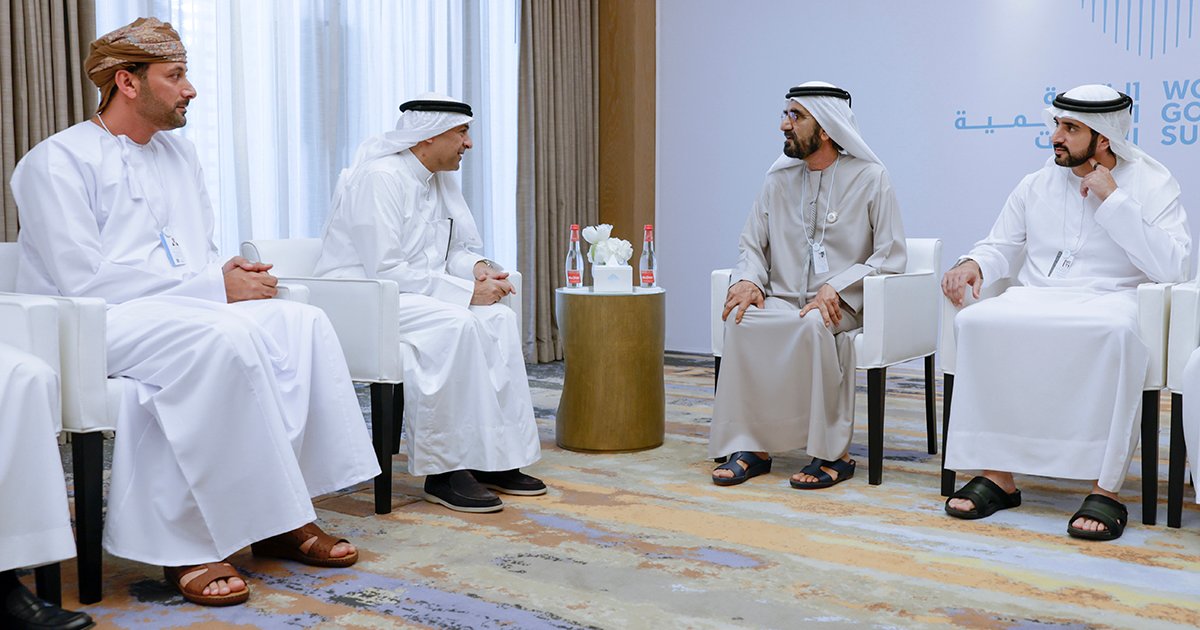
The Secretary-General of the Gulf Cooperation Council, Naif Falah Mubarak Al-Hajraf, has called on the United Nations Security Council to take all necessary measures to halt the repeated Iranian aggressions against the member states. Al-Hajraf emphasized that these aggressions pose a threat to security and stability in the region and require urgent action from the international community.
He pointed out that Iranian aggressions include targeting commercial vessels and threatening maritime navigation, which negatively impacts both the regional and international economy. He also affirmed that these actions contradict international laws and constitute a violation of the sovereignty of nations.
Details of the Incident
This call comes at a time when the Arabian Gulf is witnessing escalating tensions, with several incidents reported concerning Iranian aggressions against commercial ships in territorial waters. These incidents have raised significant concerns among the member states of the Gulf Cooperation Council, which have stressed the need to protect maritime navigation and ensure the safety of trade.
In this context, the member states expressed their full support for efforts aimed at enhancing security and stability in the region, emphasizing the importance of international cooperation to address common challenges. They also underscored the necessity of taking a firm stance against any aggressions that threaten regional security.
Background & Context
Historically, relations between the Gulf states and Iran have been marked by ongoing tensions, with the Gulf states accusing Iran of destabilizing the region by supporting armed groups. These policies have exacerbated crises in several countries such as Iraq, Syria, and Yemen, complicating the security situation in the area.
Iran has also conducted several military operations in the past, raising fears of a potential armed conflict in the Gulf. The Gulf states have sought to strengthen their alliances with major powers like the United States to enhance their security and counter Iranian threats.
Impact & Consequences
If effective measures are not taken to stop these aggressions, the security situation in the Gulf may deteriorate, potentially leading to military escalation. This, in turn, could affect oil prices and global financial markets, as the Gulf is one of the most important oil transit routes in the world.
Moreover, the continuation of these aggressions may lead to increased tensions between Iran and Western countries, negatively impacting peace and stability efforts in the region. Should these conditions persist, economic relations between the Gulf states and other countries may also be affected.
Regional Significance
This call from the Secretary-General of the Gulf Cooperation Council is a significant step towards enhancing security in the Arab region. Any escalation in the Gulf can impact other Arab nations, particularly those reliant on maritime trade.
Furthermore, strengthening cooperation among Gulf states can contribute to building a united front to address security challenges, thereby enhancing the prospects for stability in the region. Ultimately, the current situation requires a concerted effort from both international and local actors to ensure security and peace in the Gulf.