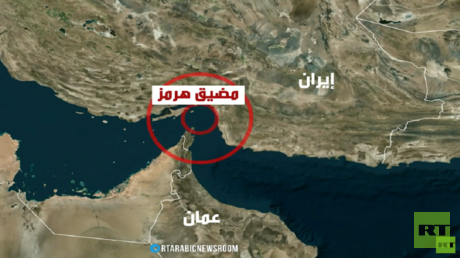
The Secretary-General of the Gulf Cooperation Council, Jasem Al-Budaiwi, has called on the UN Security Council to make a decision that allows for the use of any necessary means to ensure freedom of navigation in the Strait of Hormuz. This call comes at a time when tensions in the region are escalating, raising concerns about the safety of maritime navigation, which is considered a vital artery for the global economy.
The Strait of Hormuz is a strategic point, through which approximately 20% of the world's total oil passes, making it a major hub for the global economy. In recent years, the region has witnessed a rise in maritime incidents, including attacks on oil tankers, leading to repeated calls from Gulf countries to ensure navigation safety.
Details of the Event
During a press conference, Al-Budaiwi emphasized that the Gulf Arab states are deeply concerned about the threats facing navigation in the Strait of Hormuz. He noted that the council looks forward to the support of the international community in taking effective steps to protect this vital corridor. He also highlighted the importance of cooperation among nations to ensure regional stability.
This call comes at a sensitive time, as tensions between Iran and the United States are increasing, heightening fears about the stability of navigation in the region. Recently, there has been a surge in maritime incidents, including attacks on oil tankers, which has raised widespread international concern.
Background & Context
Historically, the Strait of Hormuz has been the scene of numerous political and military crises. In 1980, during the Iran-Iraq War, the strait experienced a significant escalation in attacks on commercial vessels. Since then, the region has attracted the attention of major powers seeking to ensure freedom of navigation and protect their economic interests.
In recent years, Iran has increased its military activities in the region, leading to heightened tensions with Western countries. These tensions have directly impacted international trade, as some companies have refrained from sending their ships through the strait due to fears of attacks.
Impact & Consequences
If effective measures are not taken to ensure freedom of navigation in the Strait of Hormuz, it could lead to significant economic repercussions globally. Oil prices may see a sharp increase, affecting the global economy and raising transportation costs. Continued tensions could also lead to military escalation, threatening the stability of the entire region.
This call from the Gulf states is an important step towards enhancing international cooperation in the face of maritime threats. It may lead to the formation of new alliances among concerned nations to ensure navigation safety, which could help mitigate potential risks.
Regional Significance
Freedom of navigation in the Strait of Hormuz is a vital issue for Arab countries, many of which rely on oil and gas exports. Any threat to this freedom could directly impact the economies of these nations and increase economic and social pressures.
Moreover, regional stability is essential for Arab national security. Therefore, cooperation among Arab countries and the international community to ensure navigation safety is a necessary step to maintain security and stability in the region.
In conclusion, hope remains pinned on the UN Security Council to take effective steps to ensure freedom of navigation in the Strait of Hormuz, which could contribute to enhancing security and stability in the region and the world.