Evita Nursanti, Vice Chair of the Indonesian Parliament's Energy Committee, emphasized the need to unify licensing procedures for bottled water companies, pointing out the current chaos resulting from multiple licensing authorities. This statement was made during a meeting with several academics at the Parliament complex in Jakarta.
Nursanti explained that companies operating in this sector face difficulties due to licenses issued by different entities, such as the Ministry of Energy and Mineral Resources, the Ministry of Public Works and Housing, and the Ministry of Environment. She confirmed that this situation reflects a lack of clarity in the laws and regulations related to this sector, necessitating a reevaluation of current policies.
Details of the Meeting
During the meeting, Nursanti stressed the importance of having a single authority responsible for granting licenses to bottled water companies, noting that this would facilitate procedures and ensure transparency. She indicated that having a specialized agency comprising representatives from various ministries could be the optimal solution to avoid duplication in procedures.
Nursanti also addressed the issue of raw material acquisition costs, mentioning that some companies are forced to pay fees to different institutions, such as the local water company (PDAM) and the Ministry of Forestry, depending on the water extraction site. She emphasized the need to clarify the regulations related to these payments, as they are considered part of the state's non-tax revenues.
Background & Context
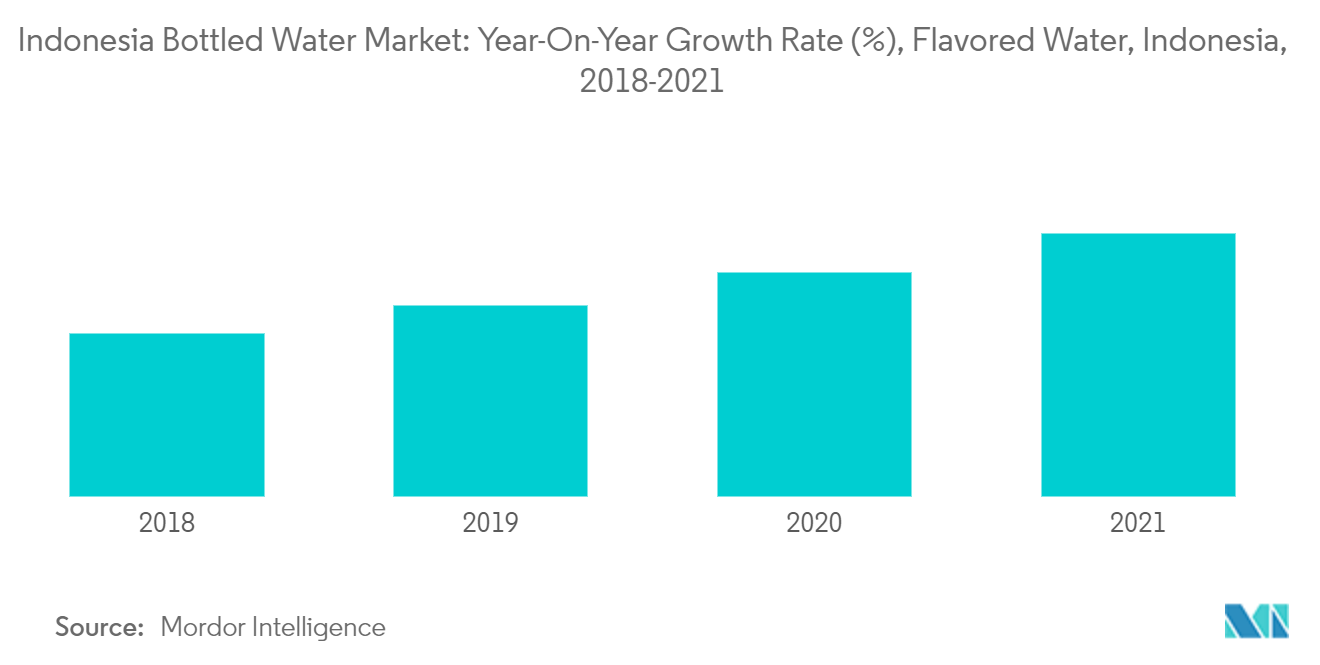
Indonesia is one of the largest bottled water markets in Southeast Asia, having experienced significant growth in recent years. With the increasing demand for bottled water, the need for effective regulation of this sector becomes apparent to ensure its sustainability and protect water resources.
Historically, there have been multiple attempts to regulate the water sector in Indonesia, but these often faced challenges due to corruption and weak enforcement. Therefore, the current call for unified licensing may represent a positive step toward improving the management of this vital sector.
Impact & Consequences
If these recommendations are implemented, they could lead to an improved business environment for bottled water companies, potentially attracting more investments into this sector. Additionally, better regulation could help protect the environment from the over-exploitation of water resources.
Furthermore, having a clear licensing system may assist in ensuring water availability for local communities, thereby enhancing citizens' rights to access clean and safe water.
Regional Significance
Water management issues are among the major challenges facing many Arab countries, with some experiencing water scarcity. Thus, the Indonesian experience in regulating the bottled water sector may provide valuable lessons for Arab countries on how to effectively manage their water resources.
In conclusion, this development in Indonesia represents an important step toward improving water management, which could have positive impacts on both the environment and society.