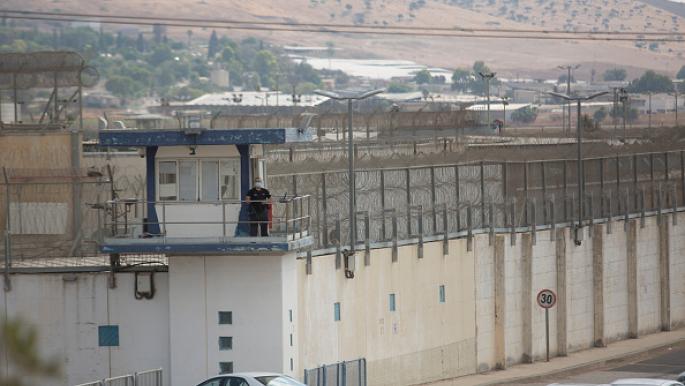
Palestinian prisoner organizations urged the international community on Wednesday to take immediate action to stop the proposed death penalty law for prisoners, warning of its serious implications for human rights. This call comes at a time when the Palestinian cause is witnessing an escalation in Israeli violations, necessitating immediate action from the free world.
The proposed death penalty law for prisoners is considered one of the most dangerous legislations that the Israeli government seeks to pass, aiming to legitimize the execution of Palestinian prisoners. This law has sparked outrage from numerous human rights and humanitarian organizations, which argue that this legislation contradicts international laws and human rights.
Details of the Event
In a statement, prisoner organizations confirmed that this law represents a dangerous step towards escalating repression against Palestinians, reflecting the policy of field executions pursued by Israeli authorities. They warned that passing this law would exacerbate the humanitarian situation in prisons and increase the suffering of prisoners and their families.
The organizations also pointed out that the proposed law specifically targets prisoners arrested on charges related to resistance, raising significant concerns about the future of prisoners' rights under this legislation.
Background & Context
This call comes amid a rise in Israeli violations against Palestinians, with recent years witnessing a notable increase in the number of Palestinian prisoners in Israeli jails. According to human rights reports, the number of Palestinian prisoners exceeds 5,000, including women and children, reflecting the extent of suffering endured by the Palestinian people.
Historically, the issue of prisoners has always been at the heart of the Palestinian-Israeli conflict, with prisoners seen as symbols of resistance and steadfastness. Israeli prisons have witnessed numerous hunger strikes by prisoners protesting their detention conditions, which have helped highlight their suffering.
Impact & Consequences
If the death penalty law for prisoners is passed, it will have serious implications at both the regional and international levels. It could escalate tensions between Palestinians and Israelis, intensifying the ongoing conflict. Additionally, this law may provoke angry reactions from the international community, potentially affecting Israel's image in international forums.
Moreover, implementing this law could open the door to further human rights violations and increase polarization in the region, complicating peace efforts and worsening the humanitarian situation.
Regional Significance
This law poses a threat not only to Palestinians but also to security and stability in the Arab region. The Palestinian cause is considered a central issue in the Arab world, and any violation of Palestinian rights could lead to strong reactions from Arab countries and peoples. Furthermore, this law may enhance feelings of Arab solidarity with the Palestinian cause and increase pressure on Arab governments to act in support of Palestinian rights.
In conclusion, the current situation requires urgent action from the international community to stop the proposed death penalty law for prisoners, which represents a serious threat to human rights. Countries and international organizations must take a firm stance against this legislation and work to protect the rights of Palestinian prisoners.