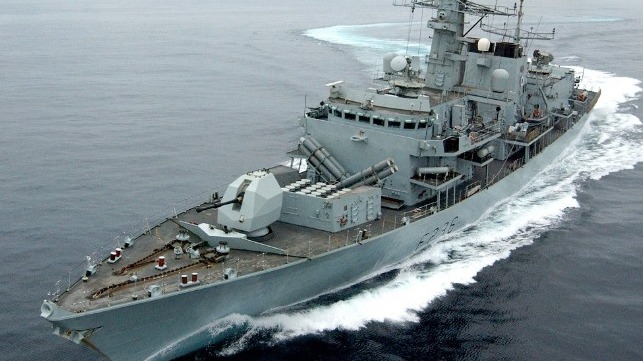
Amid escalating tensions in the Middle East, the Secretary-General of the Gulf Cooperation Council, Mohammed Al-Budaiwi, has called on the UN Security Council to take urgent steps to protect navigation in the Strait of Hormuz. This statement was made during a Security Council meeting, where Al-Budaiwi emphasized the importance of ensuring the safety of international navigation in light of the halt in shipping traffic through this vital strait.
Al-Budaiwi clarified that the Gulf Cooperation Council demands the Security Council to fully assume its responsibility to protect this critical maritime corridor, which serves as a lifeline for global economies, particularly those reliant on oil and gas exports from Gulf countries.
Details of the Situation
This call comes at a time when the Strait of Hormuz, through which approximately 20% of total global oil exports pass, is witnessing heightened tensions following attacks by the United States and Israel on Iran on February 28. Iran responded to these attacks by reinforcing its control over the strait, leading to a cessation of navigation.
In this context, Al-Budaiwi stressed the necessity of involving Gulf countries in any discussions or agreements related to regional security, especially those involving Iran, in order to enhance security and stability in the region.
Background & Context
The Strait of Hormuz is considered one of the most important maritime passages in the world, connecting the Arabian Gulf with the Gulf of Oman, and serves as a major transit point for oil and gas shipments. Historically, the strait has witnessed numerous conflicts and tensions, particularly between Iran and Western countries, affecting navigation and oil prices.
In recent years, tensions in the region have escalated due to sanctions imposed on Iran, in addition to other regional disputes. These conditions have raised concerns about the potential for military escalation that could impact navigation in the strait.
Impact & Consequences
The halt in navigation in the Strait of Hormuz has serious implications for the global economy, as it could lead to a significant rise in energy prices. Markets have already seen an increase in oil prices following Iran's announcement of enhanced control over the strait, raising concerns among investors.
Furthermore, the continuation of tensions could exacerbate economic crises in oil-dependent countries, placing additional pressures on governments and businesses in the region.
Regional Significance
The Arab Gulf states, particularly Saudi Arabia and the United Arab Emirates, are among the most affected by the halt in navigation in the Strait of Hormuz. These countries heavily rely on oil exports, and any disruption in shipping could impact their revenues and increase economic pressures.
In this context, Gulf countries are seeking to enhance security cooperation among themselves, in addition to exploring alternatives for oil transportation, such as pipeline projects that may help reduce reliance on the Strait of Hormuz.
In conclusion, the situation in the Strait of Hormuz remains under scrutiny, as fears of military escalation that could affect international navigation continue to grow. The Gulf Cooperation Council's call to the UN Security Council reflects the urgent need to protect this vital corridor and ensure regional stability.