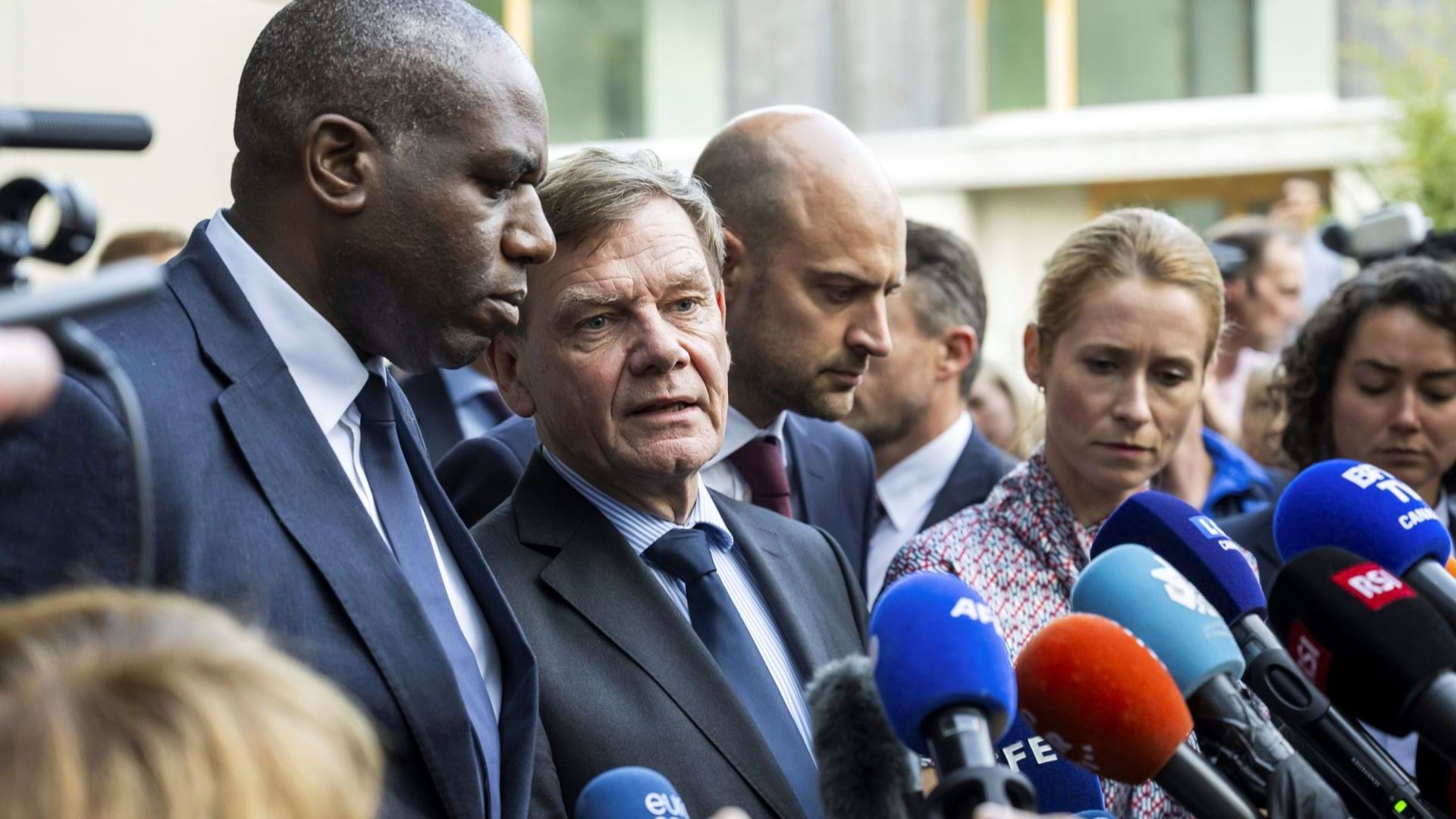
In recent statements, Heijseth, a prominent official, called on Iran's 'new regime' to exercise wisdom and forge agreements that enhance stability in the region. This call comes amid the complex political circumstances facing Iran, where international pressures are mounting.
These remarks coincide with rising tensions in relations between Iran and the West, particularly as negotiations regarding Iran's nuclear program continue. The international community is striving to reach an agreement that ensures Iran does not develop nuclear weapons, while Tehran rejects any pressures related to its sovereignty.
Details of the Event
Heijseth pointed out that Iran's 'new regime' must be aware of the challenges facing the country and should seek to establish agreements that help alleviate tensions. He also emphasized the importance of constructive dialogue between Iran and Western nations, asserting that peaceful solutions are the only way to ensure regional stability.
These statements come at a critical time, as fears of escalating conflicts in the Middle East grow, necessitating all parties to act wisely and seek peaceful solutions.
Background & Context
Historically, Iranian-Western relations have experienced many fluctuations, with periods of cooperation and others of tension. Following the United States' withdrawal from the nuclear agreement in 2018, tensions significantly escalated, impacting the overall stability of the region.
In recent years, Iran has attempted to strengthen its relations with some regional countries while facing widespread criticism from the West due to its internal and external policies. These dynamics make it essential for Iran to adopt a more prudent approach in dealing with current challenges.
Impact & Consequences
If Iran responds to calls for wisdom and negotiation, it could lead to a de-escalation of tensions in the region, contributing to greater stability. On the other hand, if it continues to ignore these calls, crises may worsen, potentially leading to escalated conflicts.
These statements serve as a call for all concerned parties to work together towards achieving peace and stability, which is vital under the current circumstances.
Regional Significance
The Iranian-Western tensions directly affect Arab countries, as many of these nations strive for internal and external stability. Any improvement in relations between Iran and Western nations could positively reflect on the security and economic situation in the region.
Conversely, ongoing tensions could exacerbate crises in neighboring countries, prompting Arab nations to take clear stances regarding these developments.
In conclusion, calls for wisdom and dialogue remain a hope for achieving peace and stability in the region, requiring all parties to work diligently towards this goal.