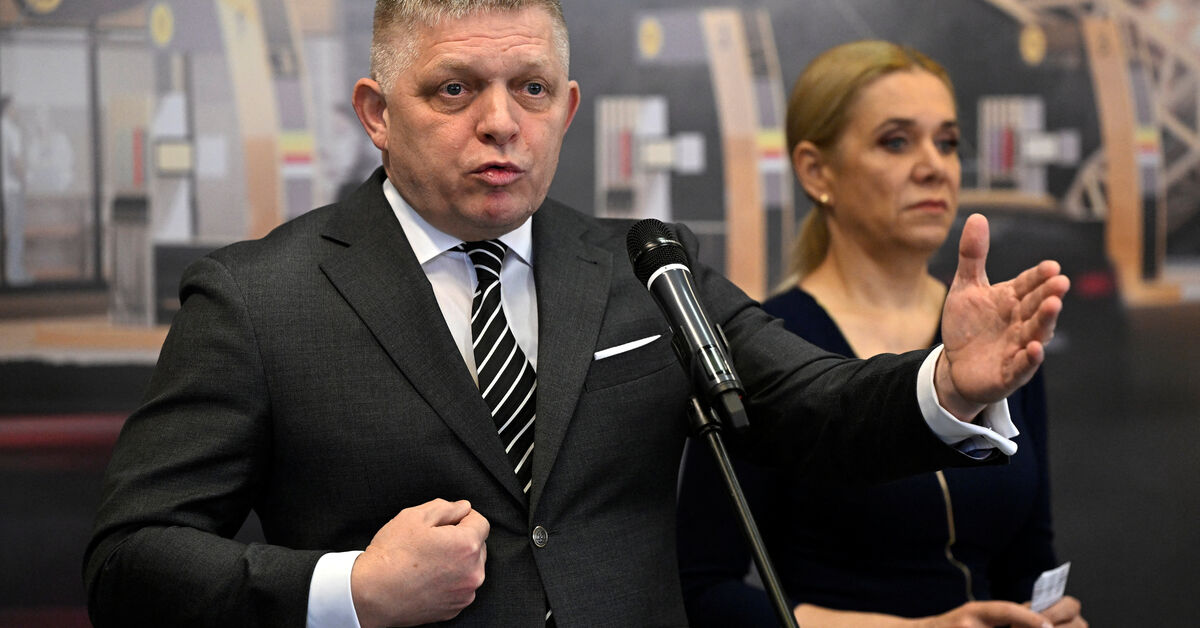
Slovak Prime Minister Robert Fico has called on the European Union to take serious steps to end the sanctions imposed on Russian oil and gas imports. This statement was made during his remarks in the Polish capital of Warsaw, where he stressed the importance of restoring oil flows through the Druzhba pipeline, one of the most significant oil transport lines in Europe, as part of efforts to tackle the escalating energy crisis.
In his address, Fico pointed out that the continuation of sanctions against Russia would only worsen the energy situation in Europe, especially under current circumstances that require collective efforts to face the challenges arising from the conflict in Ukraine and its impact on global energy markets.
Details of the Event
Fico's call comes at a critical time when Europe is suffering from a severe energy crisis, with oil and gas prices skyrocketing due to the ongoing conflict in Ukraine. The Slovak Prime Minister noted that the sanctions imposed on Russia have significantly affected energy supplies, prompting many European countries to seek alternatives, but these alternatives have not been sufficient to compensate for the shortfall.
He also urged the necessity of ending the war in Ukraine as a fundamental condition for achieving stability in energy markets. He emphasized that political solutions are the only way out of this crisis, highlighting the importance of dialogue and negotiation among the involved parties.
Background & Context
Since the onset of the conflict in Ukraine, the European Union has imposed a series of economic sanctions on Russia, which included the energy sector, a major source of Russian revenue. As tensions escalated, European countries became increasingly reliant on alternative energy sources, but this reliance has not been enough to meet market needs.
Historically, Europe has heavily depended on Russian gas and oil, with Russia being one of the largest energy suppliers on the continent. As conditions worsened, some European countries began searching for new energy sources, but logistical and economic challenges remain significant.
Impact & Consequences
If European countries respond to Fico's call, it could lead to a radical change in European energy policy. Lifting sanctions on Russia might help restore oil and gas flows, potentially alleviating the economic pressures on European nations suffering from high energy prices.
However, this decision could spark widespread debate among EU member states, as some countries remain wary of relying on Russia again, especially given the volatile political situation. Therefore, any steps towards ending the sanctions will require broad consensus among member states.
Regional Significance
The Middle East is one of the regions most affected by the global energy crisis. With rising oil and gas prices, oil-producing Arab countries may benefit from these conditions, as they could see an increase in demand for their exports. Additionally, any changes in European energy policy could impact the energy strategies of Arab nations.
In conclusion, the situation in Europe remains complex, requiring a balance between economic and political dimensions. Fico's call to end sanctions may open the door for new discussions about the future of energy on the continent, but it also highlights the challenges European countries face in achieving energy security.