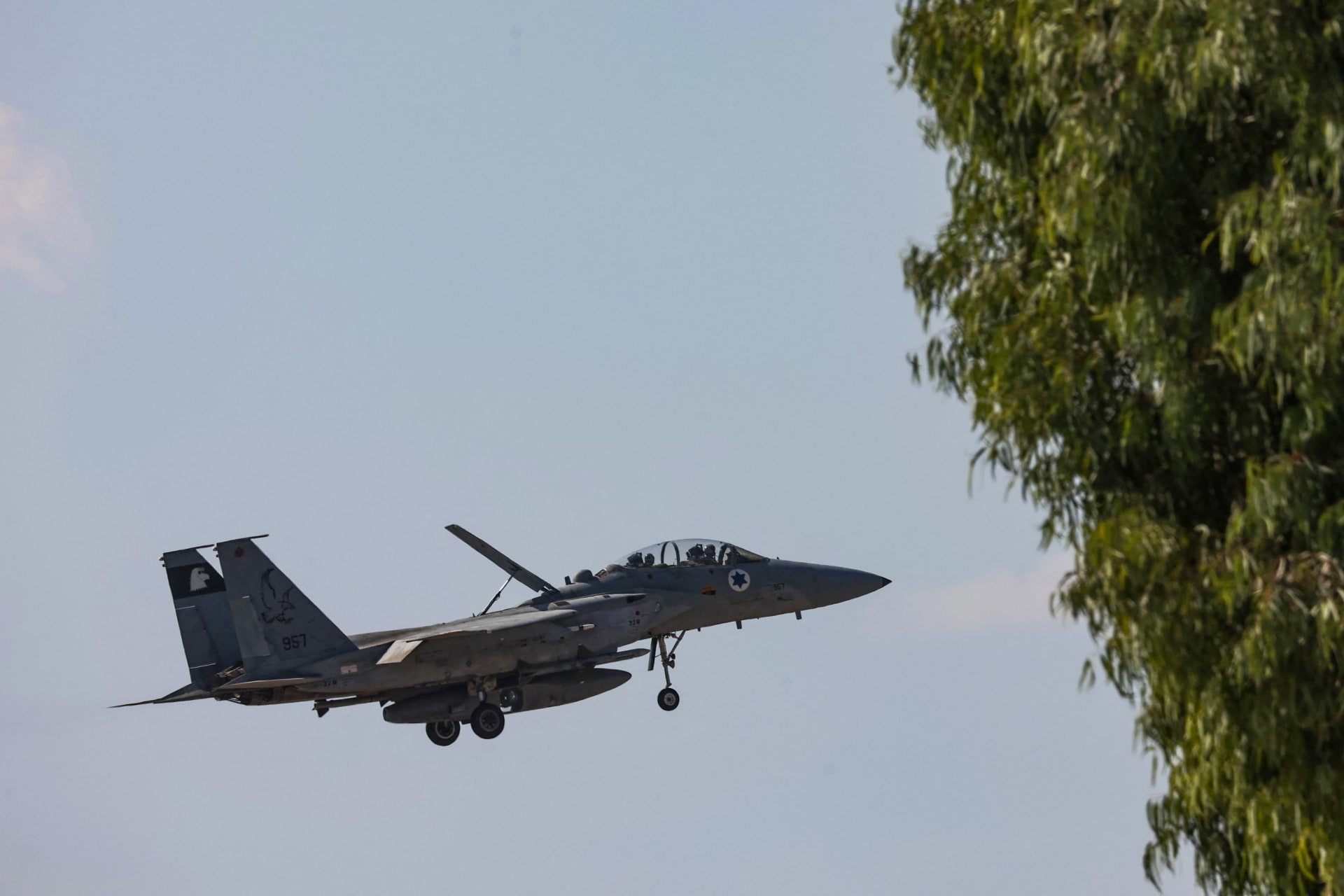
U.S. Secretary of State Marco Rubio stated during the G7 Foreign Ministers' meeting in France that the military conflict involving the U.S. and Israel against Iran should conclude in 'weeks, not months.' This assertion comes at a sensitive time as tensions in the region escalate, indicating the United States' eagerness to end the conflict swiftly.
During the meeting held on Friday, Rubio did not request his counterparts to provide ships to help secure the Strait of Hormuz at this time, but he urged them to prepare for their roles in the post-war phase, reflecting a long-term U.S. strategy in the region.
Details of the Meeting
The G7 Foreign Ministers' meeting in France featured intense discussions regarding the situation in the Middle East, particularly concerning Iran. Rubio, speaking to three individuals familiar with the talks, emphasized the importance of swiftly ending hostilities, reflecting both internal and external pressures to conclude the conflict.
These statements come at a time of increasing international concern over escalating tensions between Iran and Israel, with recent weeks witnessing mutual military operations, heightening the global community's fears regarding regional stability.
Background & Context
Historically, U.S.-Iran relations have been strained since the Islamic Revolution in 1979, which severed diplomatic ties between the two nations. Since then, the U.S. has taken several steps against Iran, including imposing economic and military sanctions. In recent years, tensions have notably escalated, particularly following the U.S. withdrawal from the Iran nuclear deal in 2018.
The current war, viewed as part of a broader conflict between Iran and its allies on one side, and the U.S. and Israel on the other, represents a turning point in regional politics. This war has exacerbated humanitarian and economic crises in the area, necessitating urgent international intervention.
Impact & Consequences
Ending the war against Iran in a short timeframe could help alleviate regional tensions, but it may also raise questions about future stability. If the U.S. succeeds in quickly resolving the conflict, it could lead to improved relations with some Arab nations that are wary of Iran's growing influence.
However, there are concerns that any rapid withdrawal could create a vacuum that armed groups supported by Iran might exploit, potentially leading to a new escalation of violence. Therefore, readiness for a post-war role will be crucial to ensure the region's stability.
Regional Significance
For Arab nations, any change in the situation in Iran could directly impact security and stability in the region. Countries like Saudi Arabia and the United Arab Emirates, which view Iran as a major threat, may see the end of the war as an opportunity to strengthen their regional position.
Moreover, the situation in Iraq, Syria, and Lebanon, where Iran holds significant influence, could be greatly affected. Thus, Arab nations need to closely monitor developments and be prepared to adapt to any changes in the regional landscape.
In conclusion, the question remains whether the United States can end the war as swiftly as hoped, or if the conflict will continue to impact the region for decades to come.