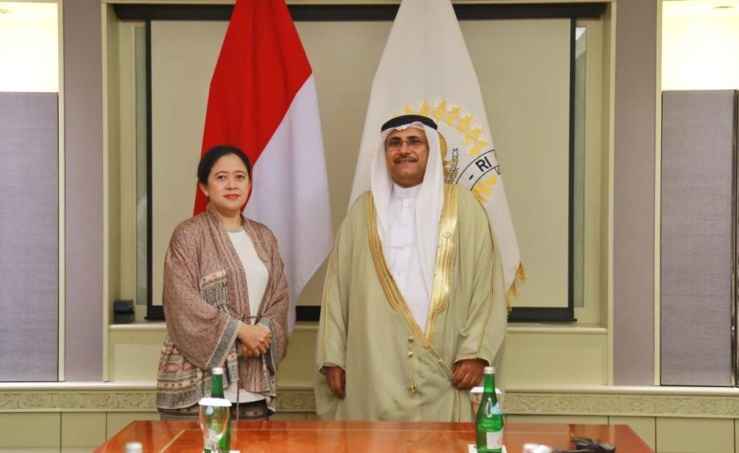
Indonesian Parliament Speaker Ahmad Muzani urged all parties involved in the Middle East conflict, including the United States, Israel, and Iran, to cease hostilities and return to diplomatic dialogue. This call comes amid escalating tensions and their negative impact on the global economy.
In his statements made in Jakarta, Muzani pointed out that the ongoing conflict has resulted in multiple crises affecting the economy, energy, and environment, threatening global stability. He emphasized that war knows no mercy and leads to widespread humanitarian suffering.
Details of the Event
Muzani clarified that the conflict in the Middle East has become a humanitarian disaster affecting all countries, including Indonesia, despite its geographical distance. He noted that the economic impact of the conflict has started to manifest through rising prices of essential goods in several countries, including Southeast Asian nations like Malaysia, Thailand, and the Philippines.
Muzani also confirmed that the conflict is causing serious humanitarian crises, as vital infrastructure is being destroyed, increasing civilian suffering. He mentioned that Indonesian President Joko Widodo has warned of the dangers of war and stressed the need to work towards peace.
Background & Context
Historically, the Middle East has witnessed numerous armed conflicts that have led to humanitarian and economic crises. The current conflict between Iran, the United States, and Israel is part of a long series of disputes dating back decades. These conflicts have affected the region's stability and international relations.
Indonesia, as a predominantly Muslim country, considers itself part of the international community striving for peace. It has played an active role in numerous peacekeeping missions, including sending troops to Lebanon as part of United Nations missions.
Impact & Consequences
The effects of the conflict in the Middle East extend beyond regional borders, impacting the global economy as a whole. Rising prices of oil and essential goods due to the conflict are increasing economic pressures on both developing and developed countries.
Moreover, the conflict threatens political stability in many nations, potentially leading to the spread of violence and increased tensions among different communities. This places additional pressure on governments to address both internal and external crises.
Regional Significance
For Arab countries, the conflict in the Middle East presents a significant challenge, as many nations rely on regional stability for economic development. Increased tensions could lead to a flow of refugees and heightened burdens on host countries.
It is crucial for Arab nations to collaborate with the international community to find lasting solutions to the conflicts in the region and to promote dialogue and diplomacy as a means of resolving disputes.