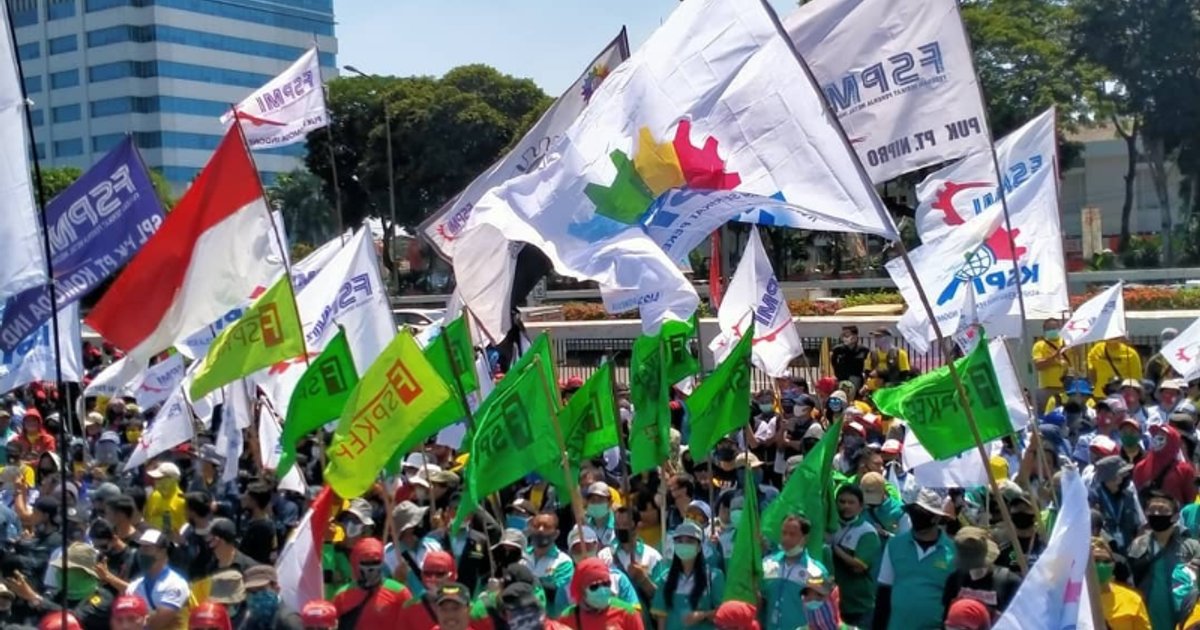
Seti Mukaromeh, a member of the energy committee in the Indonesian parliament, has called for strategic ministries to collaborate in protecting workers in the creative sector from legal risks, following the case faced by photographer Amles Situbo. Mukaromeh emphasized that this group of workers is among the vulnerable categories that lack legal and social protection, exposing them to significant risks.
Mukaromeh pointed out that workers in the creative industry face multiple challenges, ranging from legal threats to psychological pressures, in addition to their rights as workers. She clarified that solutions must encompass legal, economic, and social aspects, not just creative ones.
Details of the Incident
Mukaromeh's call comes after the incident involving Amles Situbo, who faced legal accusations, raised widespread concern about the status of creative sector workers in Indonesia. Mukaromeh regarded this incident as a wake-up call, stressing that the government must take effective steps to protect these workers from potential threats.
She also confirmed that flexibility in working hours and the freelance work status increases pressure on these workers, making them susceptible to health and psychological issues. She noted that most social protection programs do not include independent workers, exacerbating their situation.
Background & Context
Indonesia is considered one of the countries witnessing significant growth in the creative economy sector, with expectations for this sector to grow by 5.69% by 2025. According to data from the Central Statistics Agency, this sector is expected to provide approximately 27.4 million job opportunities by the end of 2025.
These figures highlight the importance of the creative sector in supporting the national economy, as workers in this sector are seen as heroes in job creation. However, the lack of adequate legal protection for them threatens the sustainability of this growth.
Impact & Consequences
Mukaromeh's call is a significant step towards enhancing the rights of workers in the creative sector, as it could lead to positive changes in laws and government policies. If these recommendations are implemented, workers in this sector may be able to operate in a safer and more stable environment.
On the other hand, the failure to take effective action could exacerbate conditions, negatively impacting the growth of the creative sector and affecting the economy as a whole. Therefore, protecting the rights of these workers is not just a humanitarian issue but also an economic necessity.
Regional Significance
Many Arab countries share challenges with Indonesia regarding the rights of creative sector workers, as many of them suffer from a lack of legal and social protection. Indonesia's experience could serve as a model for the Arab region, where Arab countries can benefit from these calls to enhance the rights of workers in this sector.
Ultimately, it requires Arab governments to take effective steps to protect the rights of creative sector workers, which will contribute to enhancing economic growth and sustainability in this field.