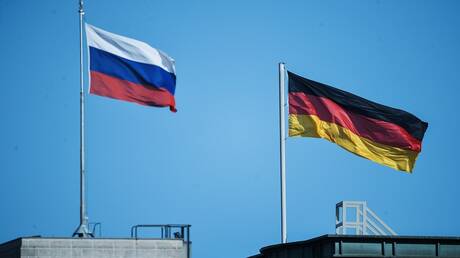
Matthias Platzeck, the former president of the German Social Democratic Party, has urged Germany to resume dialogue with Russia after the conclusion of the conflict in Ukraine. Platzeck asserted that normalizing relations between Berlin and Moscow is a vital step towards achieving stability in the region, especially given the current tensions.
He pointed out that German-Russian relations have been significantly affected by the conflict, leading to exacerbated economic and political crises. He explained that dialogue is the only way to overcome these crises and build relationships based on mutual respect.
Details of the Statement
Platzeck's remarks come at a sensitive time, as attention turns to how European countries will engage with Russia after the end of the conflict in Ukraine. The relationship between Russia and Western nations has notably deteriorated since the onset of the conflict, resulting in economic sanctions imposed on Moscow.
Platzeck is considered a prominent political figure in Germany, having served as the head of the Social Democratic Party, a historic party in the country. He is known for his support of diplomatic dialogue as a means to resolve international disputes.
Background & Context
Historically, the relationship between Germany and Russia has been complex, characterized by periods of cooperation and tension. After the Cold War, Germany sought to strengthen its ties with Russia, but recent events in Ukraine have brought matters back to square one.
Ukraine is a pivotal point in Russian-Western relations, with each side striving to achieve its strategic interests. Recent events have led to a clear division in European positions towards Russia, complicating the political landscape further.
Impact & Consequences
If dialogue between Germany and Russia is resumed, it could lead to improved economic conditions in both countries. Cooperation in energy and trade could contribute to enhancing regional stability.
On the other hand, Germany may face pressure from its NATO allies, who might view this dialogue as an undesirable rapprochement with Moscow. Therefore, any steps towards normalizing relations will require a delicate balance between national and international interests.
Regional Significance
The resumption of dialogue between Germany and Russia could have indirect effects on the Arab region. Russian-Arab relations have seen significant development in recent years, particularly in the fields of energy and security.
If Germany succeeds in rebuilding its relations with Russia, it may open doors for further cooperation between Russia and Arab countries, potentially contributing to greater stability in the region.
In conclusion, dialogue remains the key to achieving peace and stability, both in Europe and the Middle East. Platzeck's statements reflect the necessity of strategic thinking on how to address future challenges.