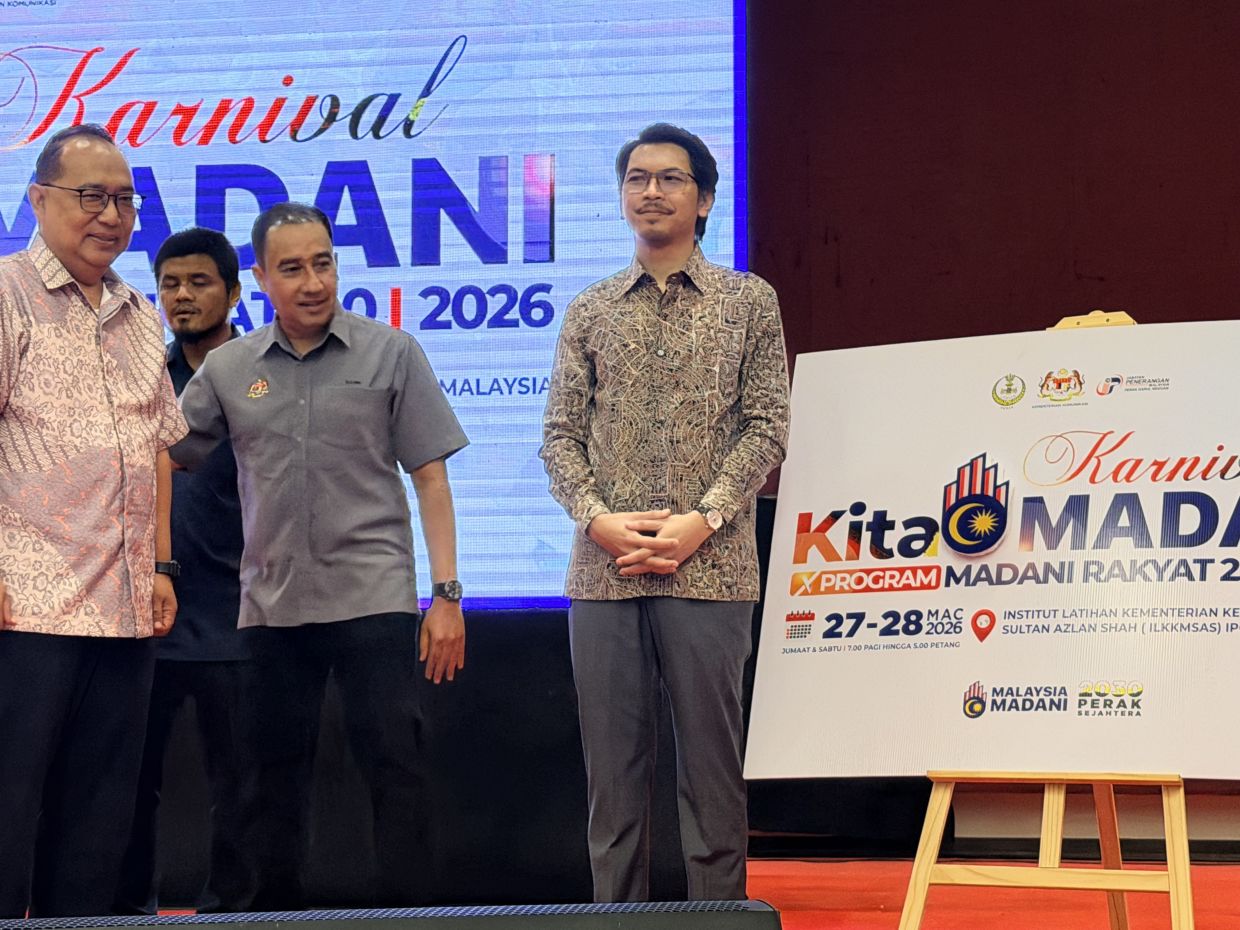
In a controversial move, the president of the Youth Wing of the People's Justice Party (AMK) in Malaysia, Afandi Zainal Abidin, has urged relevant parties to reveal the identity of the individual associated with a financial transaction estimated at 9.5 million ringgit Malaysian. This call comes at a time when the country is witnessing widespread debate over transparency and accountability in financial dealings.
These statements arise amidst growing accusations of corruption and financial mismanagement within the government, as the party seeks to strengthen its position in the political arena by demanding transparency.
Details of the Event
Afandi Zainal Abidin spoke during a press conference in the city of Ipoh, where he highlighted that this significant financial transaction raises numerous questions regarding the source of the funds and the reasons behind it. He emphasized that revealing the identity of the concerned individual would be an important step towards enhancing trust in the financial and political system of the country.
He also added that this issue is not merely a financial matter but also relates to political accountability, asserting that the government must be transparent in all its financial transactions.
Background & Context
Historically, Malaysia has witnessed numerous financial scandals that have impacted the government's reputation and raised concerns among citizens. One of the most notable scandals was the 1MDB case, which led to extensive international investigations and resulted in a loss of trust in the government. This backdrop makes the current calls for financial information disclosure even more significant.
Transparency in financial transactions is considered a fundamental aspect of good governance, as it helps to build trust between the government and citizens. However, many citizens are concerned that the government may not be willing to disclose necessary information.
Impact & Consequences
If the government responds to Afandi Zainal Abidin's call and reveals the identity of the individual linked to the financial transaction, it could enhance trust in the financial and political system. On the other hand, if the government ignores these demands, it may exacerbate suspicions regarding its integrity.
This issue also serves as a test of the government's ability to address corruption and transparency issues, potentially affecting the outcomes of upcoming elections. If the debate surrounding this transaction continues, it may increase pressure on the government to provide more information regarding its financial dealings.
Regional Significance
Corruption and transparency in financial transactions are common issues across many Arab countries. Numerous nations face similar problems related to corruption and mismanagement. Malaysia's experience could serve as an important lesson for Arab countries on how to tackle transparency and accountability issues.
Ultimately, the case of the financial transaction valued at 9.5 million ringgit remains a focal point of significant interest, reflecting the challenges governments face in promoting transparency and accountability. It will be crucial to monitor the developments of this case and its impact on the political landscape in Malaysia.