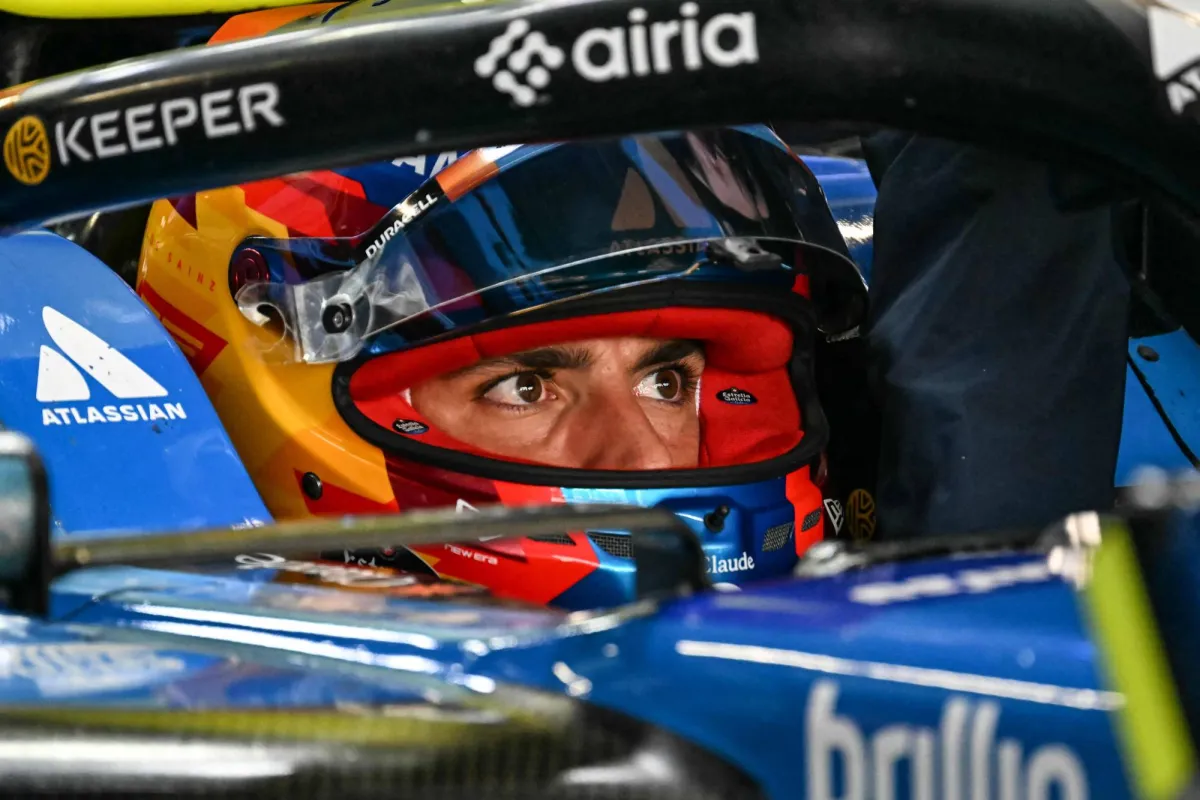
A horrific crash occurred during the Japanese Grand Prix on Sunday, involving Haas driver Oliver Berman, which has led to urgent calls from drivers and sports officials for changes to safety regulations in the Formula 1 World Championship. Carlos Sainz, a driver for Williams, stated that the crash was anticipated, highlighting the necessity for immediate measures to ensure the safety of drivers.
In detail, Berman's car collided with the barriers with a force equivalent to 50 times its weight at the Spoon curve after he attempted to avoid colliding with Franco Colapinto, a driver for Alpine. This caused Berman's car to veer off course, crashing through a signboard and going out of control while traveling at a speed of 308 kilometers per hour. A safety car was deployed at a critical moment in the race, resulting in a temporary halt to the competition.
Details of the Incident
The Haas team reported that Berman, who is 20 years old, survived the crash without any fractures but suffered a bruise on his right knee. Ayato Komatsu, the team principal, told Sky Sports that Berman's approach speed to the car in front was excessively high, forcing him to take swift action to avoid a collision, which led to the frightening incident.
The emphasis on speed differences between cars on the track stems from the era of new engines and regulations in Formula 1, requiring drivers to manage the increasing electric element. Sainz pointed out that drivers were fearful of a similar incident occurring and urged the FIA to take swift steps to enhance safety.
Background & Context
Historically, Formula 1 has witnessed numerous horrific accidents resulting in serious injuries or even fatalities. Previous attempts to improve safety standards have been made, but incidents continue to occur, raising questions about the effectiveness of these measures. The recent crash reflects the urgent need to review current regulations and implement stricter safety standards.
This incident comes at a sensitive time, as the FIA faces increasing pressure from both drivers and fans to improve safety conditions. Sainz noted that incidents like this will persist unless effective measures are taken to reduce high speeds when approaching other cars.
Impact & Consequences
The repercussions of this crash could lead to significant changes in how Formula 1 races are organized. Drivers are likely to call for a reconsideration of track designs, as well as improvements to safety systems in cars. Additionally, the incident may impact the championship's reputation, as fans demand greater safety for drivers.
Moreover, this crash could increase pressure on organizers to provide detailed reports on incidents, potentially leading to changes in how races are managed. Failure to take swift action may exacerbate concerns among drivers and fans, threatening the future of the championship.
Regional Significance
In the Arab region, Formula 1 is gaining increasing popularity, especially as some Arab countries host Formula 1 races. Incidents like Berman's crash may affect public interest in the sport, as fans look forward to seeing drivers compete in a safe environment.
Safety issues may also impact Arab countries' investments in motorsport, as these nations seek to enhance their reputation as global sporting destinations. Improving safety standards could contribute to attracting more major sporting events to the region.
In conclusion, there is hope that this incident will lead to positive changes in Formula 1, ensuring the safety of drivers and enhancing the experience for fans.