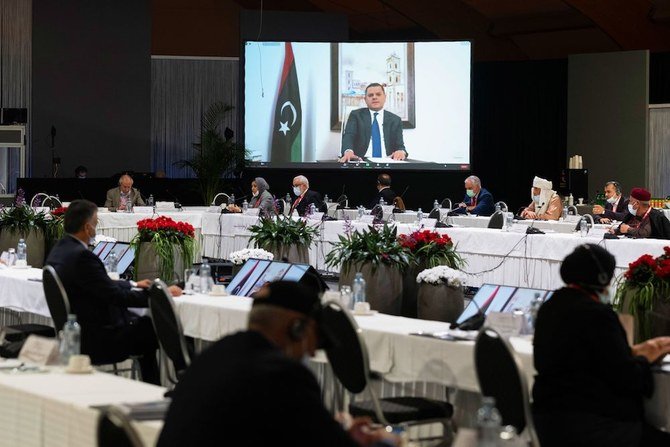
The calls from the Libyan Presidential Council, headed by Mohamed Menfi, for a comprehensive political dialogue involving various institutions and actors in the country are increasing. These calls come at a time when Libya has been suffering from a prolonged political stalemate for years, raising questions about the possibility of achieving genuine consensus among the conflicting parties.
Despite the efforts made, observers point out that these calls face significant obstacles, the most prominent being the ongoing institutional division and conflicting interests among political actors. This division reflects a state of instability that the country is experiencing, as several factions compete for power and influence.
Details of the Current Situation
Recently, the Libyan Presidential Council launched new initiatives aimed at bringing the conflicting parties to the dialogue table. Menfi emphasized the importance of dialogue as a means to overcome the political and economic crises plaguing the country. However, many observers believe that these calls may not be sufficient to achieve tangible progress, especially in light of the persistent political divisions.
Opinions vary regarding the effectiveness of these initiatives, with some viewing dialogue as a positive step, while others doubt the possibility of achieving real consensus under the current circumstances. This situation reflects the complexities of the Libyan political landscape, which requires genuine efforts from all concerned parties.
Background & Context
Historically, Libya has witnessed a series of political crises since the overthrow of Muammar Gaddafi in 2011. This change led to the fragmentation of government institutions and the emergence of multiple armed groups, complicating the political situation further. In recent years, several local and international entities have attempted to mediate peace and stability, but these efforts have often faced significant challenges.
In 2020, a permanent ceasefire agreement was signed, offering new hope for the possibility of peace. However, political and economic divisions remain, making it difficult to achieve real progress towards stability.
Impact & Consequences
If the state of institutional division continues, it could exacerbate the economic and social crises in Libya. The economic situation is suffering from ongoing deterioration, with rising unemployment and poverty rates increasing the suffering of citizens. Additionally, the continuation of political conflict may lead to rampant corruption and a growing lack of trust among citizens in government institutions.
Moreover, instability in Libya could impact regional security, as armed groups might exploit this chaos to enhance their influence. Therefore, achieving political consensus may be essential not only for Libya's stability but also for ensuring security in the North African region.
Regional Significance
Libya is a pivotal point in the North African region, and any developments within it could affect neighboring countries. The ongoing division and conflict could lead to an influx of refugees into neighboring states, increasing pressure on these countries. Additionally, any escalation in conflict could open the door to external interventions, complicating the situation further.
Thus, achieving comprehensive political dialogue and consensus among Libyan parties is vital not only for Libya's future but also for the stability of the region as a whole.