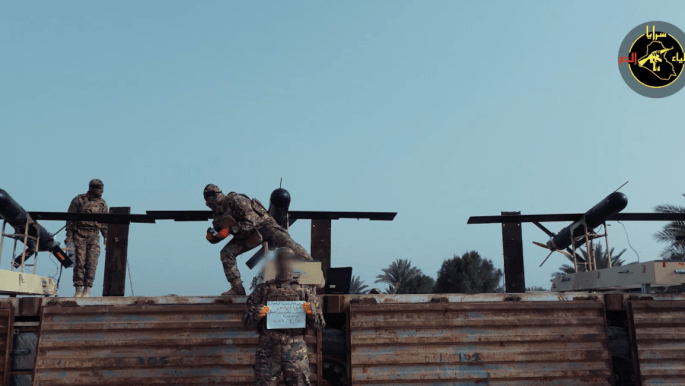
In Iraq, voices advocating for the retention of armed militias' weapons are rising, despite increasing calls to limit arms to the state. This trend reflects a complex reality amid ongoing regional crises, where militias emerge as a significant force in the political and security landscape.
These demands contradict official calls aimed at dismantling or integrating these militias into regular security institutions. Many believe that the existence of these militias is essential to confront the security challenges facing the country, especially amid escalating regional tensions.
Details of the Situation
In recent years, Iraq has witnessed significant transformations in the security landscape, with an increase in armed militias following various loyalties. Originally formed to combat ISIS, these militias have taken on an important role in Iraqi politics, making it challenging to confine weapons solely to the state.
Concerns are growing that any attempt to dismantle these militias could exacerbate security conditions, as some view them as protectors of the areas in which they operate. Simultaneously, calls from certain political circles are emerging to unify efforts toward building a strong national army.
Background & Context
Many armed militias in Iraq were established after the American invasion in 2003 and gained strength following the emergence of ISIS. These militias, which include both Shia and Sunni groups, have become an integral part of the country's security and political fabric.
Historically, armed militias have represented a response to security crises, but they have now evolved into a political force pursuing their own interests. This situation reflects the significant challenges facing the Iraqi government in its quest for stability.
Impact & Consequences
The continued presence of armed militias indicates an unstable security situation in Iraq and negatively impacts the government's efforts to build strong security institutions. Additionally, this situation could lead to heightened internal conflicts and complicate relations with neighboring countries.
There are increasing fears that any escalation in rhetoric regarding the limitation of arms could provoke violent reactions from the militias, threatening public security and intensifying tensions within the country.
Regional Significance
The armed militias in Iraq serve as a model for some Arab countries suffering from instability. The conditions in Iraq could have negative repercussions on neighboring states, especially amid rising regional tensions.
The stability of Iraq is vital for the region, as it could enhance security in other countries, while any escalation in the situation could adversely affect regional security.
In conclusion, the future of armed militias in Iraq remains a complex issue requiring a delicate balance between security and politics. Achieving stability necessitates concerted efforts from all involved parties.