The Governor of Yogyakarta, Sri Sultan Hamengkubuwono X, expressed hope that the tragedy of Indonesian soldiers' deaths in Lebanon while performing their duties as part of peacekeeping forces will not happen again. This statement came during the reception of the remains of the soldiers who fell while executing their missions, where the Sultan emphasized the need for the Indonesian government to take immediate measures to ensure the safety of soldiers participating in such missions.
During his statements, the Sultan extended his condolences to the families of the soldiers who lost their lives, stressing the importance of the Indonesian government's commitment to international agreements related to peacekeeping missions. He pointed out that the recent incident, which resulted in the deaths of three Indonesian soldiers, necessitates a comprehensive review to ensure that such painful incidents do not recur.
Details of the Incident
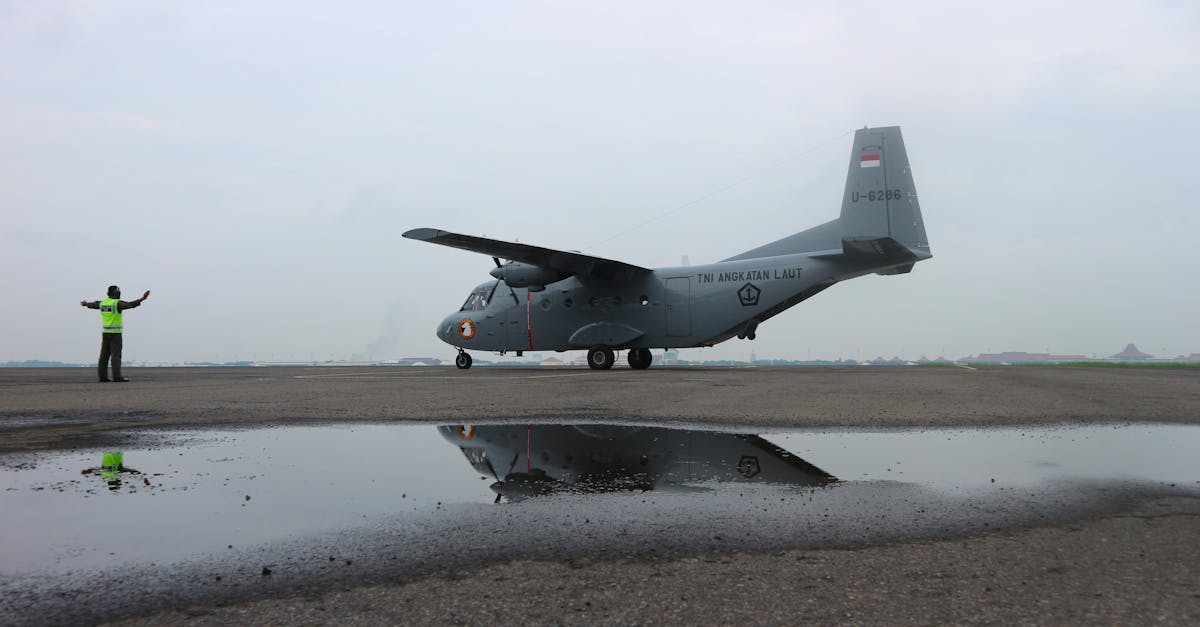
Three Indonesian soldiers died while performing their duties in Lebanon as part of the United Nations peacekeeping forces. Their remains were received at Adi Sutjipto Air Base in Yogyakarta, where the Sultan attended the reception ceremony. The Sultan emphasized the need for the government to work towards achieving lasting peace in the areas where Indonesian troops are deployed, highlighting the importance of all parties adhering to the applicable agreements.
The Sultan also called for a thorough investigation into the circumstances of the incident, urging the Indonesian government to cooperate with the United Nations to determine the causes behind the incident, whether due to negligence or deliberate action. He stressed the importance of transparency in investigations to ensure that such incidents do not happen again in the future.
Background & Context
Historically, Indonesia has been an active participant in international peacekeeping missions, contributing troops to conflict areas around the world. These forces have faced numerous challenges, including loss of life, raising questions about the safety of soldiers and the effectiveness of the missions assigned to them.
This incident comes at a sensitive time, as pressures are mounting on the Indonesian government to ensure the safety of its soldiers abroad. Indonesian peacekeeping forces have previously faced several similar incidents, necessitating a reconsideration of troop deployment strategies and training to address potential challenges.
Impact & Consequences
This incident underscores the importance of enhancing security measures and training for soldiers involved in peacekeeping missions. It also highlights the need for improved coordination between the Indonesian government and the United Nations to ensure the safety of soldiers and provide a secure environment for them to carry out their duties.
Furthermore, this incident may affect Indonesia's image in the international community, where it is viewed as a country contributing to global peace efforts. Therefore, effectively addressing this issue could enhance Indonesia's position as a key supporter of peace and stability worldwide.
Regional Significance
This incident is directly related to the situation in the Middle East, where peacekeeping forces are present in conflict areas such as Lebanon. The loss of Indonesian soldiers reflects the challenges faced by peacekeeping forces in the region and emphasizes the need for international cooperation to ensure the safety of soldiers and provide them with the necessary support.
Additionally, this incident may draw the attention of Arab countries participating in peacekeeping missions, as Indonesia's experience could serve as an important lesson on how to handle the risks that soldiers may face in conflict zones.