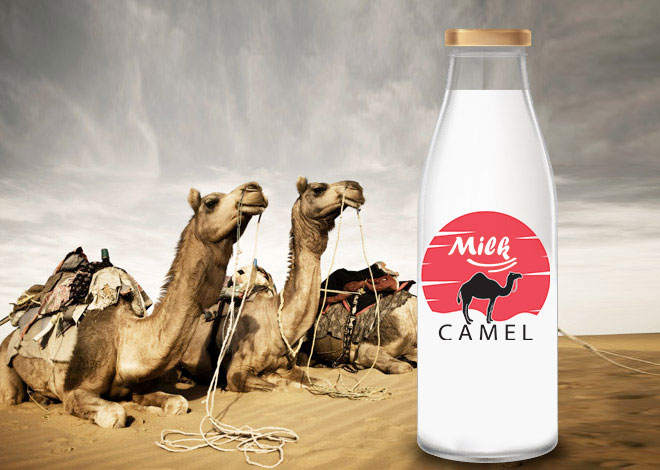
Camel milk is a traditional beverage gaining increasing popularity in the Northern Borders region, where it is considered a symbol of hospitality and local culture. Residents particularly consume it in spring due to its health and nutritional benefits.
The Northern Borders region is characterized by its environmental and cultural diversity, making camel milk an integral part of the residents' lives. This beverage is a rich source of proteins and vitamins, making it a healthy choice for many families.
Details of the Event
In spring, the consumption of camel milk increases in the region, as it is one of the preferred beverages at social events and celebrations. Residents are keen to offer it to guests as a sign of generosity and hospitality. It is also used in the preparation of many traditional dishes, reflecting the importance of this beverage in local culture.
The camel farms in the Northern Borders are among the main sources of camel milk production, where camels are specially cared for to ensure the quality of the milk. Farmers show great interest in raising camels and work on improving their breeds to increase productivity.
Background & Context
Historically, camel milk was used as a staple food for Bedouins in the desert, serving as an important source of food and drink. Over time, this beverage has become part of the cultural heritage of many Arab communities, especially in desert areas.
In recent years, many scientific studies have begun to highlight the health benefits of camel milk, increasing its popularity in urban communities. Camel milk is considered a healthy alternative to cow's milk and is used in many healthy diets.
Impact & Consequences
The growing demand for camel milk in the Northern Borders highlights the importance of preserving cultural heritage and promoting local production. This trend can support the local economy by increasing demand for traditional dairy products.
It also contributes to raising awareness of the health benefits of camel milk, which may lead to increased consumption in other regions of the Kingdom. This presents an opportunity to enhance cultural tourism, where visitors can experience this traditional beverage.
Regional Significance
Camel milk represents a part of the cultural identity of many Arab countries, being a symbol of hospitality and generosity. Promoting its consumption can enhance cultural relations between Arab countries through the exchange of traditional products.
This trend can also strengthen cooperation among Arab countries in agriculture and animal production, contributing to achieving food security in the region.
In conclusion, camel milk is more than just a beverage; it is a symbol of culture and heritage, reflecting the importance of preserving customs and traditions amid modern changes.