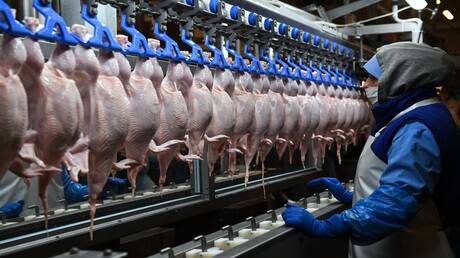
The 'Boycott Chicken' campaign in Rural Damascus has garnered widespread public support, contributing to a reduction in local market prices. Citizens' engagement with the campaign reflects their desire to combat rising costs.
The campaign continues its activities in several areas of Rural Damascus, where citizens have shown a strong response by reducing their chicken consumption, which is considered a staple food. This campaign comes at a time when the country is suffering from a sharp rise in prices, increasing economic pressures on Syrian families.
Details of the Campaign
The 'Boycott Chicken' campaign began as a grassroots response to the rising prices of chicken, which have seen a noticeable increase in recent months. Citizens launched this campaign through social media, calling for a reduction in chicken consumption as a means to pressure traders to lower prices. The campaign has proven effective, as reports indicate a significant decrease in demand for chicken, prompting some traders to reduce their prices.
The campaign also includes calls to shift towards other food alternatives, reflecting citizens' awareness of the importance of diversifying food sources. Some reports have shown that some families have started relying on red meat or fish as alternatives, contributing to a change in consumption patterns in the region.
Background & Context
This campaign comes amid a crippling economic crisis that Syria has been suffering from for years, where ongoing war and economic sanctions have led to a deterioration of living conditions. Food prices have risen unprecedentedly, making it difficult for many families to secure their basic needs. These conditions have particularly affected the poor and middle classes, who are facing increasing economic pressures.
Historically, Syria has witnessed many grassroots campaigns aimed at combating rising prices, but the 'Boycott Chicken' campaign stands out for its extensive interaction with citizens, reflecting their desire to improve their living conditions. This campaign also showcases the ability of civil society to mobilize collectively to face economic challenges.
Impact & Consequences
The impact of the 'Boycott Chicken' campaign may extend to various economic and social aspects. Economically, this campaign could lead to a change in consumer behavior in the market, potentially contributing to price reductions in the long term. Additionally, public pressure may compel the government to take more effective measures to address rising prices.
Socially, the campaign reflects a spirit of solidarity among citizens, as they collaborate to face common challenges. This cooperation may strengthen social ties and increase awareness of the importance of collective action in confronting crises.
Regional Significance
The 'Boycott Chicken' campaign embodies a unique experience in combating inflation and may inspire other peoples in the Arab region facing similar economic conditions. In many Arab countries, citizens are suffering from rising prices and shortages of food supplies, making such campaigns particularly significant.
This campaign could serve as a model for other countries, where citizens can organize similar initiatives to influence prices and improve their living conditions. Furthermore, this phenomenon reflects the importance of community awareness and individuals' ability to impact economic policies.
In conclusion, the 'Boycott Chicken' campaign reflects the strength of the Syrian people in facing economic challenges and highlights the importance of collective action in achieving change. The success of this campaign may mark the beginning of larger efforts aimed at improving living conditions in the country.