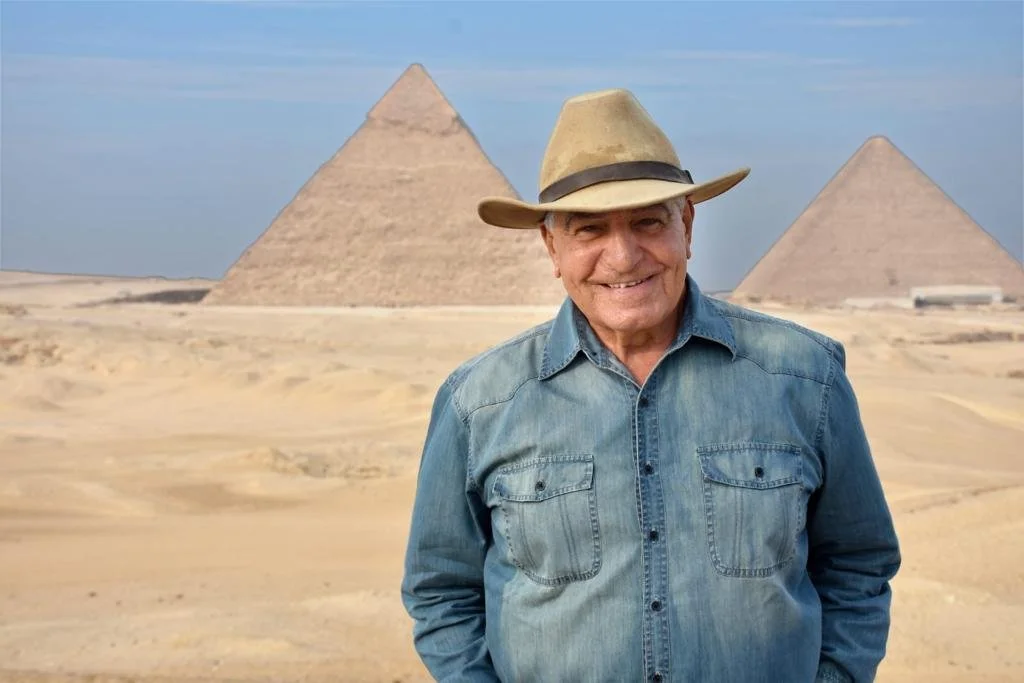
Egyptian archaeologist Zahi Hawass has announced the launch of a public campaign from Italy aimed at recovering a collection of important Egyptian artifacts, including the Rosetta Stone, the bust of Nefertiti, and the Zodiac. This campaign comes at a sensitive time as international calls for the return of stolen artifacts to their original homelands are growing.
Hawass, who previously served as Egypt's Minister of Antiquities, emphasized that this campaign seeks to raise public awareness about the importance of Egyptian cultural heritage. He pointed out that recovering these artifacts is not just a legal issue, but also a matter of national identity and history.
Event Details
During a press conference in Milano, Hawass explained that the Rosetta Stone, which is key to deciphering hieroglyphics, and the bust of Nefertiti, one of the most famous statues in history, represent invaluable symbols of Egyptian culture. He also noted that the Zodiac, dating back to ancient times, carries significant astronomical implications.
Hawass called on the international community to support this campaign, stressing that the recovery of these artifacts should be a priority for all nations concerned with cultural heritage. He highlighted the importance of cooperation among countries in this context, as many Egyptian artifacts are housed in museums around the world.
Background & Context
Historically, Egypt has faced extensive looting of its artifacts during periods of occupation and colonization. The Rosetta Stone, for instance, was discovered in 1799 by the French campaign and has since become a symbol of Egyptian heritage. Meanwhile, the bust of Nefertiti, discovered in 1912, represents a part of ancient Egyptian artistic history.
In recent years, Egypt has witnessed increasing efforts to recover its lost artifacts, with many pieces being returned from various countries. However, there are still numerous important items that have yet to be recovered, raising concerns among experts and citizens alike.
Impact & Consequences
This campaign is considered a significant step towards enhancing Egyptian cultural identity, as recovering lost artifacts can revive the spirit of ancient Egyptian history. Furthermore, these efforts may contribute to boosting cultural tourism, which would benefit the Egyptian economy.
Moreover, the success of this campaign could encourage other countries suffering from the loss of their cultural heritage to take similar actions. The recovery of stolen artifacts can have a positive impact on international relations, reflecting nations' commitment to protecting cultural heritage.
Regional Significance
The issue of recovering artifacts is part of broader concerns regarding cultural heritage in the Arab region. Many Arab countries are suffering from the loss of their artifacts due to conflicts and wars, making this campaign a model to follow. Recovering cultural heritage can enhance social and economic stability in the region.
In conclusion, Zahi Hawass's efforts stand out as an important step towards reclaiming Egyptian cultural identity, underscoring the significance of international cooperation in protecting cultural heritage. This campaign is not merely an endeavor to recover artifacts but also a call to raise awareness about the importance of cultural heritage in shaping national identity.