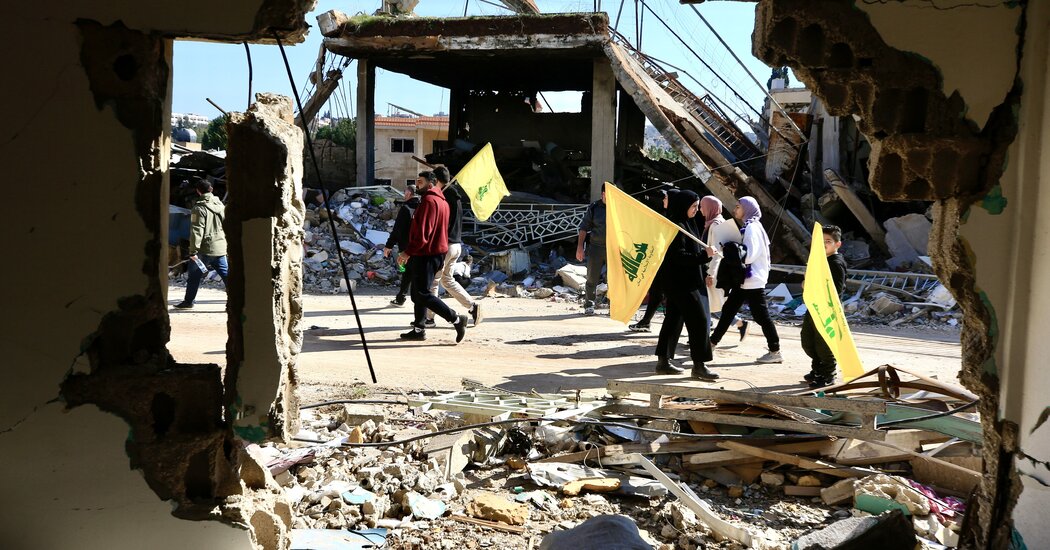
The Canadian government has declared that the Israeli occupation of Southern Lebanon is considered illegal, emphasizing the necessity of respecting the sovereignty of nations and the rights of peoples. This statement comes amid escalating tensions in the region, where Israel continues its military operations in Lebanese territories, raising concerns within the international community.
Through this announcement, Canada aims to reaffirm its steadfast position in supporting human rights and international law, asserting that occupation cannot have any legal or moral justification. This statement has emerged at a time when Israeli-Lebanese relations are experiencing heightened tensions, particularly following a series of clashes along the border between the two countries.
Details of the Event
Canada is one of the countries closely monitoring developments in the Middle East, having issued an official statement from the Canadian Ministry of Foreign Affairs confirming that the Israeli occupation of Southern Lebanon contradicts international laws. This statement followed reports indicating an increase in Israeli military activity in the region, leading to heightened concerns among local populations and the international community.
Reports suggest that Canada hopes this statement will encourage the international community to adopt a firmer stance against the Israeli occupation and support the rights of Palestinians and Lebanese in determining their own fate.
Background & Context
Historically, Southern Lebanon has witnessed ongoing conflicts due to the Israeli occupation that began in 1982. Despite the withdrawal of Israeli forces from Lebanon in 2000, tensions have not subsided, as there remain unresolved issues related to borders and sovereign rights.
Canada is among the countries that support a two-state solution, believing that peace in the region can only be achieved through recognizing the rights of all parties involved. Canada has been one of the nations advocating for the necessity of direct talks between Israel and Lebanon to reach a lasting resolution.
Impact & Consequences
Canada's statements could increase pressure on the Israeli government, potentially encouraging the international community to take clearer positions against the occupation. Furthermore, this statement may help bolster Lebanon's position in international forums, as it could be seen as support for Lebanon's right to defend its sovereignty.
Moreover, these statements might stimulate more countries to adopt similar stances, which could affect the dynamics of the conflict in the region and increase the likelihood of pressure on Israel to comply with international laws.
Regional Significance
This statement is part of Canada's efforts to support the rights of Arab peoples in the face of occupation. It may contribute to strengthening Arab solidarity against Israeli violations, potentially leading to new diplomatic initiatives in the region.
Given the current circumstances, the Arab world needs strong international support to confront the challenges it faces. Canada's position is seen as a positive step towards enhancing human rights and international law in the region.
In conclusion, the Canadian statement regarding the Israeli occupation of Southern Lebanon reflects an international commitment to supporting the rights of peoples and underscores the importance of dialogue and international pressure to achieve peace and stability in the region.