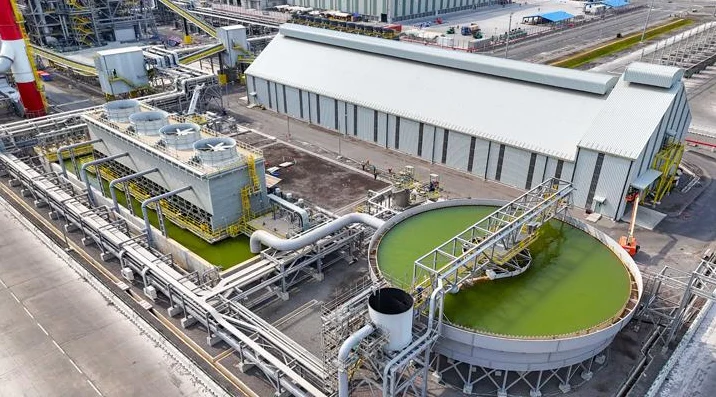
The governments of Canada and Quebec are striving to save the country's only copper plant after Glencore, one of the largest mining companies in the world, threatened to close it due to new pollution control requirements. This move comes at a time when Canada is facing environmental and industrial challenges, raising concerns about the future of the mining sector in the country.
Glencore announced that it is struggling to comply with the new environmental standards imposed, prompting it to consider closing the plant located in the city of Saguenay in Quebec. The plant is considered a vital facility, playing a key role in supplying both the local and global markets with copper, which is an essential metal in various industries, including electronics and renewable energy.
Details of the Situation
These threats come at a sensitive time as Canada seeks to enhance its industrial capabilities and reduce reliance on imports. The federal government has confirmed that it is working closely with the Quebec government and Glencore to find solutions that ensure the plant's continuity. In this context, the Canadian Minister of Industry stated that the government is committed to supporting local industries and will look for ways to alleviate the financial burdens on companies facing challenges in meeting environmental standards.
On the other hand, this issue raises significant concerns among the plant's workers, as many families in the region depend on their jobs in this sector. Labor unions have expressed their fears of job losses and have called on the government to take swift action to protect workers and the plant.
Background & Context
Historically, copper has been one of the essential metals that contributed to the development of various industries in Canada. With the increasing environmental awareness, governments have begun to impose stricter standards to reduce pollution resulting from mining operations. This has led to significant challenges for companies, especially those relying on outdated technologies.
In recent years, Canada has witnessed a shift towards renewable energy, increasing the demand for metals like copper. However, environmental challenges could hinder this progress if not addressed effectively. The Saguenay plant represents a symbol of Canadian industry, and any closure could have significant repercussions on the local economy.
Impact & Consequences
If the plant is closed, it will result in the loss of many jobs, which will increase unemployment rates in the area. Additionally, the closure of the plant will impact the supply chain, as many local suppliers rely on the plant to meet their needs. This could also lead to higher copper prices in the market, affecting industries that depend on this metal.
Moreover, the closure of the plant could negatively impact Canada's reputation as an industrial hub. Amid global competition, Canada needs to enhance its production capacity, especially given the increasing demand for metals necessary for renewable energy technologies.
Regional Significance
Looking at the situation in the Arab region, this event highlights the importance of strengthening local industries and complying with environmental standards. Many Arab countries rely on mineral exports and may face similar challenges in the future. Enhancing production capacity while adhering to environmental standards could be key to achieving sustainable development.
In conclusion, Glencore's threat to close the copper plant in Canada serves as a call to reflect on how to balance industry and environmental protection. The challenges faced by Canada may provide a lesson for other countries, including those in the Arab region, on how to address sustainable development issues.