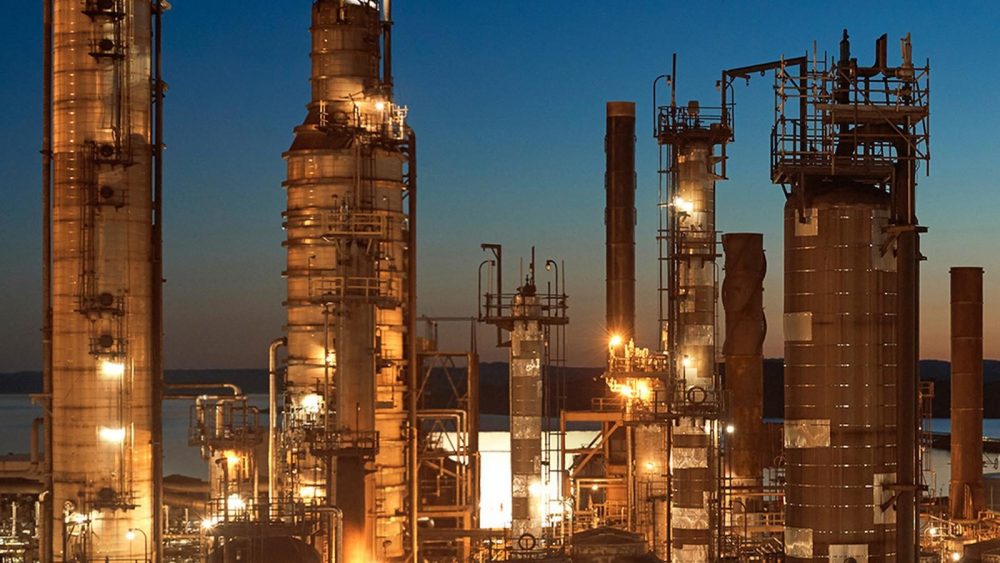
Canada's largest refinery, managed by Irving, is heading to Newfoundland to procure crude oil for the first time since 2020. This decision comes amid the tense geopolitical climate in the Middle East, where the war on Iran has disrupted oil supplies from this vital region.
This move is a swift response from Irving to secure its oil needs amidst challenges in obtaining traditional supplies from the Middle East. The company has demonstrated flexibility in its strategy by seeking new oil sources, reflecting the importance of securing supplies in the face of global crises.
Details of the Event
The Irving refinery in New Brunswick is Canada's largest, playing a pivotal role in meeting Canadian fuel market demands. With escalating tensions in the Middle East, it has become essential for oil companies to explore alternatives to secure their supplies. Company spokespeople indicated that this step is part of its strategy to adapt to changing global market conditions.
Newfoundland, located on Canada's eastern coast, is rich in natural resources, including oil. The region has seen significant development in the oil industry in recent years, making it an attractive destination for energy companies. This move signifies a shift in Irving's strategy, which has heavily relied on oil imported from the Middle East.
Background & Context
Historically, Canada has depended on oil supplies from the Middle East, but with rising political tensions and wars in the region, it has become necessary to seek alternative sources. Since 2020, Irving has relied on oil supplies from various regions, but the war on Iran has intensified pressures on the global market.
It is worth noting that Canada is one of the largest oil producers in the world, but geopolitical challenges may affect its ability to export oil. In recent years, Canada has undergone shifts in its oil policies, prompting it to seek new partnerships and alternative sources.
Impact & Consequences
This move could have significant implications for the global oil market. With increasing demand for oil amid current crises, prices may experience notable fluctuations. Additionally, Canada's reliance on new sources could enhance the stability of the Canadian oil market and reduce dependence on external supplies.
Furthermore, this step may encourage other companies to seek alternative sources, potentially leading to changes in global market dynamics. These transformations could also bolster Canada's ability to face future challenges in the oil market.
Regional Significance
These developments are particularly significant for the Arab region, which heavily relies on oil exports. With rising tensions in the Middle East, prices and supplies may be affected, impacting the economies of producing countries. The search for alternative sources could also open avenues for Arab energy companies to expand their partnerships with other nations.
In conclusion, Canada's move towards Newfoundland reflects the importance of adapting to geopolitical changes in the oil market. As crises in the Middle East continue, it remains essential for countries and companies to seek new strategies to ensure energy supply stability.