In a move reflecting awareness of global economic risks, the board of the Canadian Central Bank emphasized the importance of monitoring inflationary pressures resulting from the ongoing war in Iran during its latest meeting. While the focus was on this issue, officials stressed the necessity of not overlooking other economic challenges facing Canada.
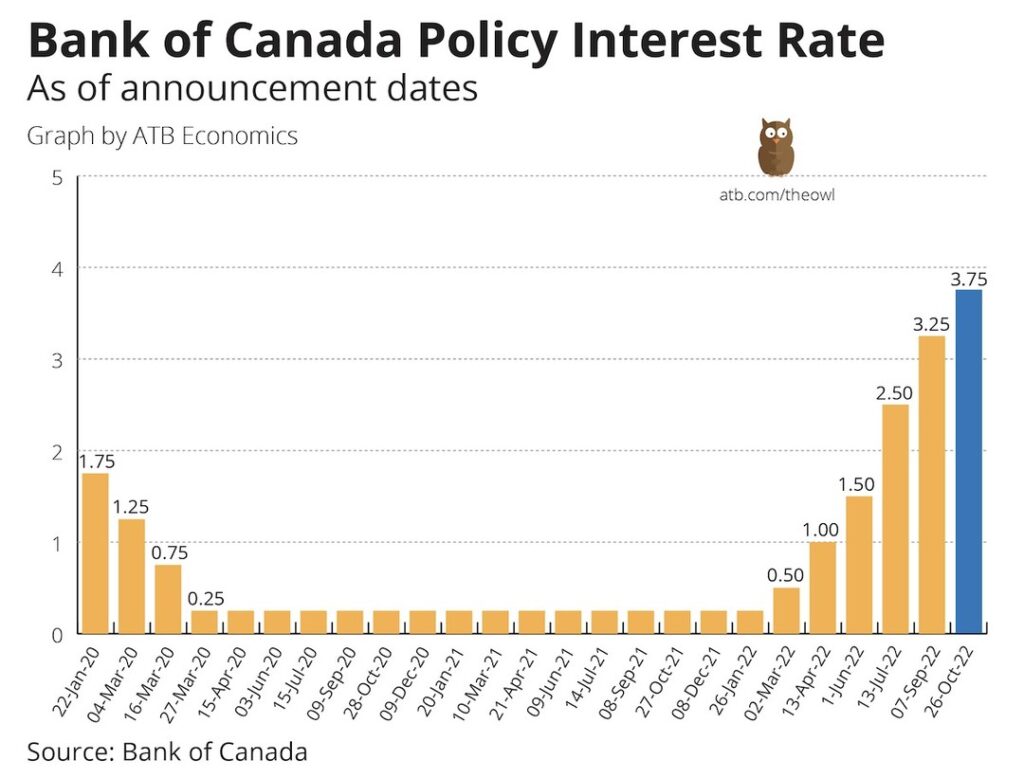
This meeting takes place at a sensitive time, as global markets are experiencing significant fluctuations due to geopolitical events, directly impacting the Canadian economy. The decision to maintain interest rates unchanged reflects the bank's desire to support economic growth amid these volatile conditions.
Details of the Meeting
During the meeting, several key points were discussed regarding the impact of the war in Iran on inflation. Officials noted that the conflict could lead to rising oil and commodity prices, which may put pressure on the Canadian economy. However, they emphasized the need to monitor other factors such as the labor market and overall economic growth.
The current monetary policies' impact on financial stability was also discussed, with some members expressing concern that an excessive focus on the war in Iran might distract from other risks, such as rising living costs and household debt.
Background & Context
Historically, Canada has experienced significant effects from geopolitical crises, being an oil-importing nation. The war in Iran, which began several months ago, could lead to a substantial increase in oil prices, affecting inflation in Canada. In recent years, Canada has relied on stable oil prices to achieve economic growth, so any fluctuations in this market could directly impact the Canadian economy.
Moreover, Canada is not isolated from global economic challenges, as it is influenced by the trade and economic policies of major countries. Therefore, any escalation in the Iranian conflict could affect trade relations with other nations, complicating the economic landscape further.
Impact & Consequences
The war in Iran is expected to increase inflationary pressures, which may compel the Canadian Central Bank to take more drastic actions in the future. If prices continue to rise, the bank may have to raise interest rates, which could negatively impact economic growth.
Additionally, the ongoing conflict could lead to volatility in financial markets, increasing economic uncertainty. This situation may affect investments in Canada, as investors might hesitate to make decisions under these unstable conditions.
Regional Significance
The war in Iran is a sensitive issue for the Arab region, as it affects regional stability. Any escalation in the conflict could increase tensions between Arab countries and Iran, which may reflect on the economic and trade relations among these nations.
Furthermore, rising oil prices due to the conflict could impact oil-exporting Arab countries, potentially increasing revenues but also causing internal tensions in some nations that rely on price stability.
In light of the current circumstances, it appears that the Canadian Central Bank is adopting a cautious approach to managing economic risks. As the war in Iran continues, economic challenges will persist, requiring Canadian policymakers to closely monitor the situation and make appropriate decisions to maintain economic stability.