The Canadian dollar has experienced a notable increase against the US dollar, reaching new levels in financial markets. This rise occurs during a sensitive period for the Canadian economy, which faces multiple challenges, including inflation and potential recession.
This increase in the value of the Canadian dollar is attributed to several factors, including rising oil prices, which are a major source of revenue for Canada. Additionally, positive economic data released recently regarding economic growth in Canada has helped boost confidence in the Canadian currency.
Details of the Event
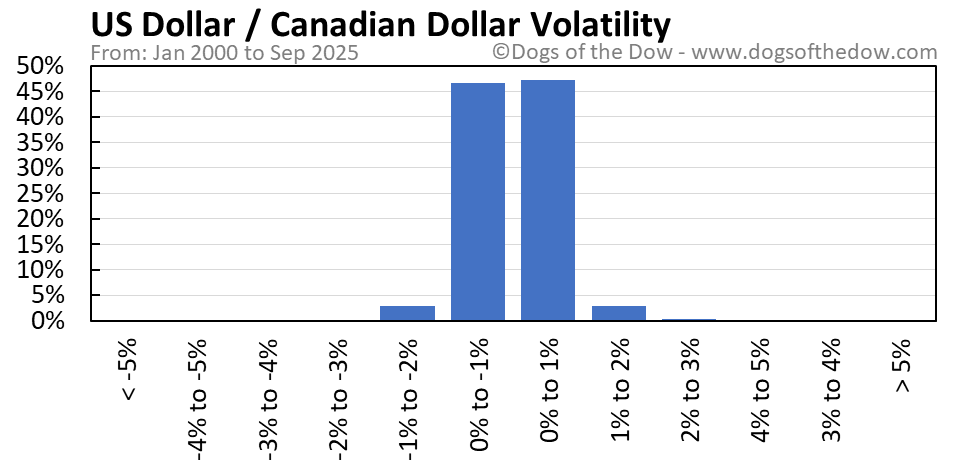
According to reports, the Canadian dollar has risen by up to 0.5% against the US dollar, reaching levels not seen in several months. This increase also reflects improvements in the Canadian economic performance, as recent data showed an uptick in foreign direct investment and growth in the services sector.
On the other hand, the US dollar has faced some pressures due to political and economic tensions in the United States, contributing to the strengthening of the Canadian dollar. Furthermore, expectations regarding the monetary policy of the Bank of Canada suggest a potential interest rate hike, which enhances the attractiveness of the Canadian currency to investors.
Background & Context
Historically, the Canadian dollar is considered one of the strong currencies in global markets, heavily reliant on oil exports and natural resources. In recent years, Canada has experienced fluctuations in oil prices, impacting the value of the Canadian dollar. However, the improvement in oil prices over the past few months has supported the Canadian currency.
Moreover, trade tensions between the United States and China have affected global markets, prompting investors to turn towards more stable currencies like the Canadian dollar. This context underscores the importance of the Canadian dollar as a safe haven during times of economic uncertainty.
Impact & Consequences
The rise of the Canadian dollar has multiple implications for the Canadian economy. On one hand, it may lead to increased costs for Canadian exports, negatively affecting companies reliant on foreign markets. On the other hand, a stronger dollar can reduce the cost of imports, helping to control inflation.
This rise may also influence the decisions of the Bank of Canada regarding monetary policy. If the Canadian dollar continues to strengthen, the bank may consider raising interest rates to combat inflation, which could impact economic growth.
Regional Significance
Considering the trade relations between Canada and Arab countries, the rise of the Canadian dollar may affect exports and imports between the two sides. Arab countries that import goods from Canada may face increased costs, which could impact local markets.
At the same time, Arab investors could benefit from investment opportunities in Canada, particularly in sectors experiencing growth such as technology and renewable energy. This rise in the Canadian dollar may enhance Canada's appeal as an investment destination.
In conclusion, the rise of the Canadian dollar against the US dollar is an indicator of improvement in the Canadian economy, but it also brings challenges and opportunities that require careful monitoring by investors and decision-makers.