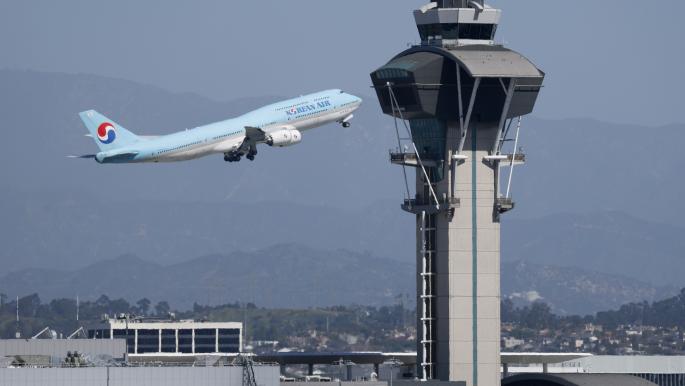
Low-cost airlines in South Korea have announced the cancellation of approximately 900 flights following a significant rise in oil prices resulting from the ongoing conflict in Iran. This move comes at a time when airlines are experiencing mounting financial pressures, leading them to implement emergency measures to cope with economic challenges.
Oil prices are directly affected by regional conflicts, with the war in Iran heightening concerns over global oil supplies. Experts have indicated that this price surge could exacerbate the financial conditions of airlines, which had begun to recover from the impacts of the COVID-19 pandemic.
Details of the Event
The measures taken by airlines include granting unpaid leave to employees and significantly reducing the number of flights. The companies have confirmed that these steps aim to cut costs amid difficult economic circumstances. Additionally, there is a possibility of further flight cancellations if oil prices continue to rise.
Low-cost airlines are considered one of the most important means of air transport in South Korea, offering services at competitive prices. However, the current challenges may negatively impact their ability to continue providing these services.
Background & Context
Historically, oil prices have seen significant fluctuations due to political and economic events in the Middle East. The conflict in Iran is one of the main factors affecting the global oil market, as Iran is one of the major oil-producing countries. Any escalation in the conflict can lead to a substantial increase in prices.
In recent years, airlines in South Korea have faced multiple challenges, ranging from the COVID-19 pandemic, which caused a sharp decline in travel demand, to the current increases in oil prices. These combined factors exert considerable pressure on the sector.
Impact & Consequences
These developments are expected to have negative effects on the aviation industry in South Korea, as companies may be forced to take further austerity measures. Additionally, flight cancellations could impact tourism and travel, which may adversely affect the local economy.
Moreover, rising oil prices may also influence airfare, potentially making travel less affordable for consumers. This situation could lead to a decrease in demand for flights, exacerbating the crisis faced by airlines.
Regional Significance
The Middle East is one of the regions most affected by fluctuations in oil prices, with many countries heavily reliant on oil revenues. Any increase in prices could impact the economies of these nations, leading to economic and social repercussions.
Furthermore, the conflict in Iran may contribute to heightened tensions in the region, potentially affecting political and economic stability. In this context, Arab countries must be prepared to face the challenges arising from these conditions.
In conclusion, recent developments indicate that the aviation industry in South Korea is facing a real crisis due to rising oil prices. A swift and effective response from both companies and the government is required to ensure the stability of this vital sector.