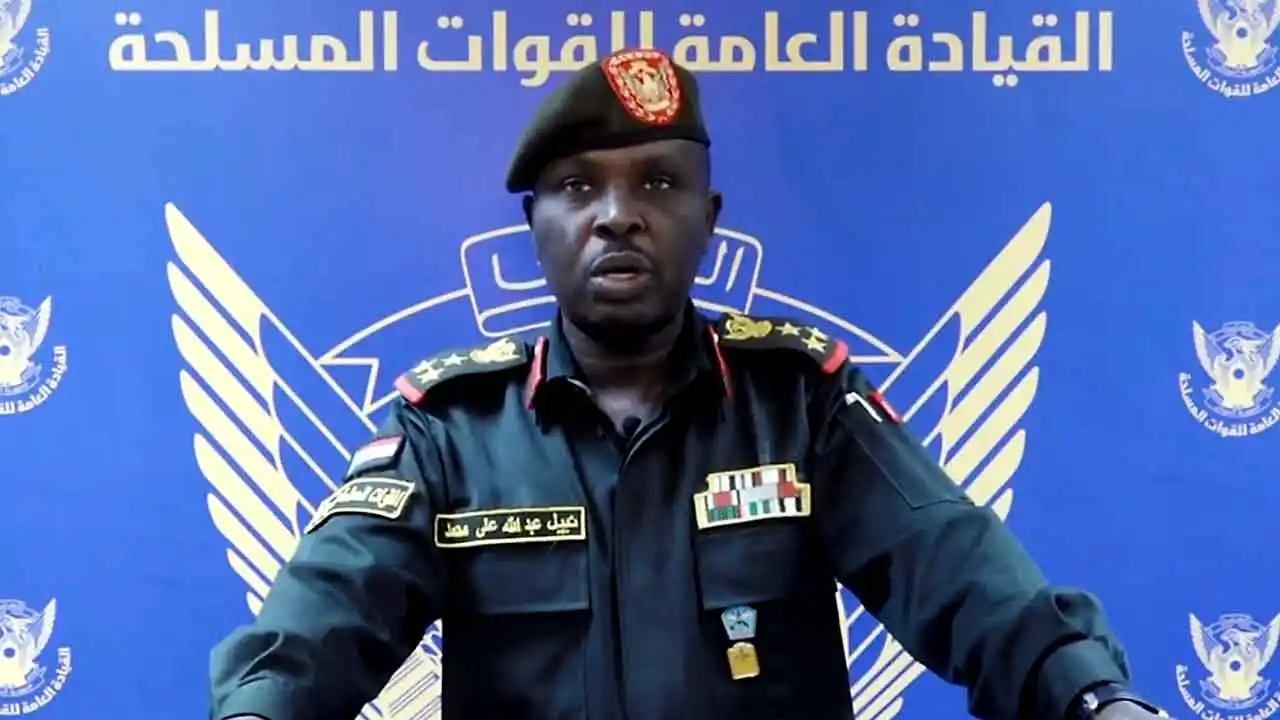
Sudanese Transitional Sovereign Council President Abdel Fattah Al-Burhan has announced the cancellation of the appointment of the Deputy Commander and his assistants for 2023, a move that could have major implications for the military and political landscape in the country.
This decision comes at a sensitive time for Sudan, as Al-Burhan seeks to reorganize the armed forces amid ongoing security and political challenges. The decision reflects the military leadership's desire to strengthen control over the military situation and direct it towards national objectives.
Details of the Announcement
The announcement did not clarify the immediate reasons behind the cancellation of the appointments, but it is part of a series of changes that have occurred within the military leadership in recent months. These changes are believed to aim at enhancing stability within the armed forces and avoiding any divisions that could affect national security.
It is noteworthy that Al-Burhan took over the leadership of the military council following the ousting of former President Omar Al-Bashir in 2019. Since then, the country has faced numerous challenges, including popular protests and demands for political reforms.
Background & Context
Historically, Sudan has experienced repeated military transformations, with the armed forces playing a pivotal role in politics. After the ousting of Al-Bashir, a transitional government was formed that included both civilians and military personnel, but tensions between the two sides have persisted.
The recent military decisions come as Al-Burhan seeks to consolidate his power amid internal and external pressures. Additionally, the deteriorating economic situation in the country complicates the landscape, prompting the military leadership to take drastic steps.
Impact & Consequences
The cancellation of the Deputy Commander's appointment may lead to a reassessment of military strategies in the country and could affect the relationship between civilians and military personnel in the transitional government. This move may also raise questions about the future and stability of the transitional government.
Changes in military leadership could also increase tensions among various factions within the armed forces, potentially negatively impacting security and stability in the country. It is crucial to monitor the reactions from different political forces and their influence on the overall situation.
Regional Significance
The events in Sudan are of significant importance to the Arab region, reflecting the challenges faced by countries undergoing transitional phases. Military changes in Sudan could impact regional stability, especially given the existing tensions in neighboring countries.
Furthermore, any escalation of the situation in Sudan could have repercussions on regional security, necessitating international attention and support for efforts to achieve stability in the country.
In conclusion, the situation in Sudan requires careful monitoring, as the recent military decisions may have far-reaching effects on the country's future.