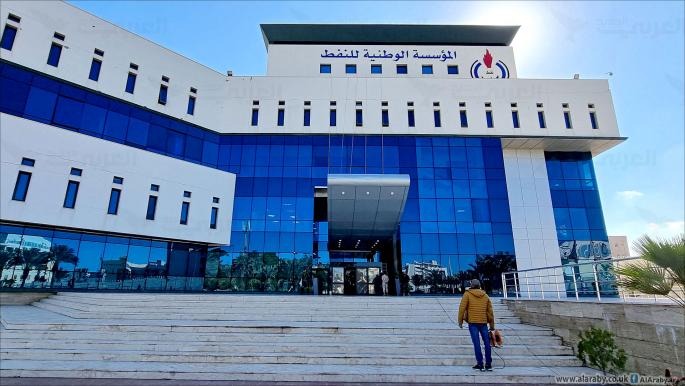
Libya's Prime Minister, Abdul Hamid Dbeibeh, has issued urgent instructions to the National Oil Corporation to end existing arrangements with Arknou, a move that reflects growing US pressure on the Libyan government to recalibrate oil export mechanisms. This step comes at a time when Libya is grappling with complex economic and political challenges, making these decisions particularly significant in the current context.
Arknou is considered one of the foreign companies operating in the Libyan oil sector, having played a prominent role in production and export operations. However, US pressures may significantly impact the future of this company in Libya, as Washington seeks to ensure stability in the global oil market.
Details of the Event
In an official statement, Dbeibeh confirmed that the termination of arrangements with Arknou is part of the Libyan government's efforts to enhance transparency and oversight in the oil sector. He noted that this step aims to improve the management of oil resources and ensure that the Libyan people benefit more effectively from oil revenues.
The decision also reflects the new directions of the Libyan government in dealing with foreign companies, as it seeks to impose greater oversight on production and export operations. This decision was made after consultations with several experts in the fields of oil and economics, who emphasized the necessity of improving transparency in this vital sector.
Background & Context
Historically, the oil sector in Libya has been one of the main sources of government revenue, with the Libyan economy heavily dependent on oil revenues. However, this sector has faced numerous challenges over the years, including political and security conflicts that have affected production and export.
In recent years, the Libyan government has attempted to rebuild the oil sector after years of chaos, but it has faced significant difficulties in achieving stability. The US pressures in this context are part of broader international efforts to ensure stability in the global oil market, especially amid geopolitical tensions affecting oil prices.
Impact & Consequences
The decision to terminate arrangements with Arknou is expected to have significant repercussions on the oil sector in Libya. This decision may lead to a reduction in production in the short term, which could affect government revenues and increase economic pressures on the country.
Moreover, this decision may open the door for other companies to enter the Libyan market, potentially increasing competition and improving the overall performance of the sector. However, the biggest challenge remains how to manage these changes in a way that ensures the Libyan people benefit from their natural resources.
Regional Significance
The Libyan government's decision to cancel arrangements with Arknou is part of broader trends in the Arab region towards enhancing national sovereignty in managing natural resources. Amid increasing economic crises, many Arab countries are striving to improve the management of their natural resources to ensure sustainable development.
This decision may also affect relations between Libya and Western countries, as the Libyan government seeks to balance its national interests with the demands of international partners. In this context, it remains essential to monitor upcoming developments in this file.
In conclusion, the Libyan government's decision to cancel arrangements with Arknou represents an important step towards recalibrating the oil sector, but challenges remain. The Libyan government must work to enhance transparency and strengthen oversight to ensure that the people benefit from their natural wealth.