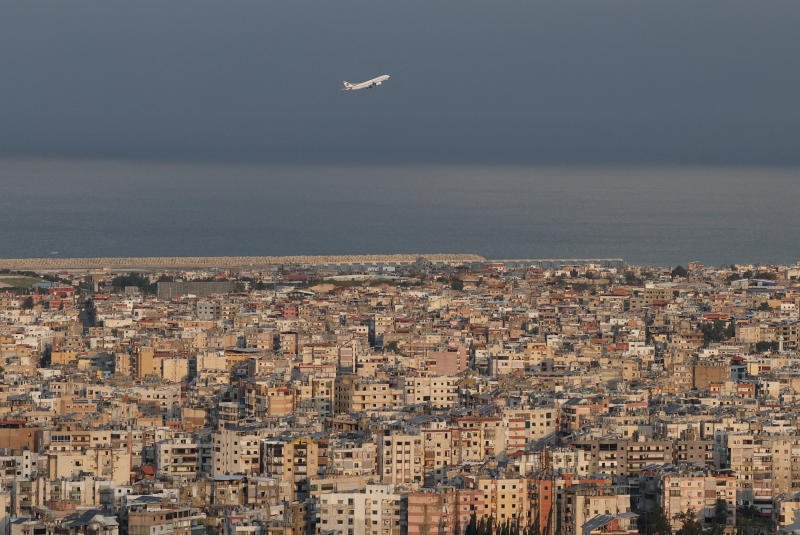
The escalating conflict in the Middle East, particularly the war in Iran, has led to the cancellation of numerous international flights. Major aviation hubs like Dubai, Doha, and Abu Dhabi have been closed, affecting travel plans for millions of passengers. Global air traffic continues to suffer from severe disruptions, as many people are facing difficulties in traveling as planned.
Several major airlines have announced the cancellation of their flights to destinations in the Middle East, reflecting the significant impact of the conflict on the aviation sector. For example, the Greek airline Aegean Airlines has canceled all its flights to Tel Aviv, Beirut, and Amman until April 22, while Air Canada has canceled all flights to Tel Aviv and Dubai until September 7.
Flight Cancellation Details
Airlines continue to announce flight cancellations, with Air France canceling all flights to Tel Aviv and Beirut until April 4, in addition to canceling flights to Dubai and Riyadh until March 31. Lufthansa has also canceled all flights to Dubai and Tel Aviv until May 31, reflecting the prevailing uncertainty in the region.
Airlines are continuously adjusting their flight schedules, with Emirates partially canceling its flights, while Etihad Airways has announced the operation of a commercial flight schedule between Abu Dhabi and around 80 destinations. In contrast, low-cost airlines like Flynas have canceled flights to many destinations in the Middle East until April 15.
Background & Context
This escalation in the conflict in the Middle East comes at a sensitive time, as the region has already been suffering from political and economic tensions. The conflict in Iran, which began in recent years, has exacerbated the security situation in the region, directly affecting air travel and tourism.
Historically, the Middle East has been a vital hub for global air traffic, with Dubai, Doha, and Abu Dhabi being some of the most important air hubs. However, ongoing conflicts are leading to the closure of these hubs, causing travel disruptions and impacting the global economy.
Impact & Consequences
Reports indicate that flight cancellations will significantly affect the tourism sector in the region, as many countries rely on tourism as a primary source of revenue. Additionally, the cancellation of flights may lead to an increase in ticket prices for remaining flights, making travel more expensive for passengers.
Moreover, the economic impacts will not be limited to airlines alone; hotels, restaurants, and other transport sectors that depend on tourist traffic will also be affected. Under these circumstances, governments may need to take urgent action to support the tourism sector.
Regional Significance
Arab countries are directly affected by these developments, as many nations depend on tourism and trade with Middle Eastern countries. The cancellation of flights could lead to a decline in tourism investments, impacting economic growth in many Arab nations.
In light of these circumstances, Arab countries should consider new strategies to boost tourism and trade, as well as enhance regional cooperation to ensure stability in the region. The current situation requires a concerted effort from all stakeholders to maintain security and stability in the area.