The government of the Democratic Republic of Congo has announced the cancellation of the mining licenses for Australian company AVZ Minerals due to its failure to pay surface rights fees. This decision, issued on March 19, comes after a previous license cancellation within three years, highlighting significant changes in the mining sector in the country.
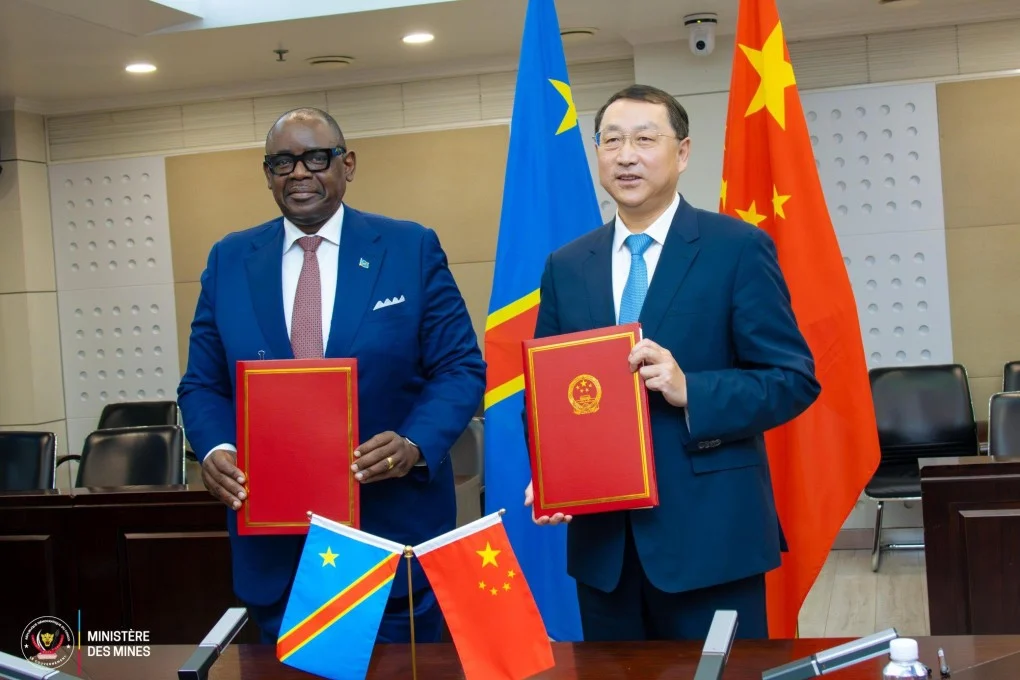
This move is part of a larger shift in Congo's policy towards foreign companies, where Chinese firms are increasingly seen as the preferred partners in this vital sector. While Western companies face challenges, Chinese firms continue to strengthen their presence in the Congolese market.
Details of the Event
Mining records in the Democratic Republic of Congo have confirmed the cancellation of AVZ Minerals licenses, which had obtained mining rights in the lithium-rich Manono region. This decision follows the company's failure to pay the due fees, leading to the revocation of its licenses. This is the second cancellation for the company within three years, as its previous licenses were revoked in 2021.
The Congolese government aims to improve the management of the mining sector and increase revenues from this vital industry. With the rising global demand for minerals, especially lithium, the government hopes to attract more investments from Chinese companies that have proven their ability to operate efficiently in this field.
Background & Context
Historically, the mining sector in the Democratic Republic of Congo has been one of the most important economic sectors, as the country possesses vast reserves of precious minerals such as cobalt, gold, and lithium. Over the past few years, the country has seen significant changes in its policies towards foreign companies, with Chinese firms becoming the preferred partners, reflecting a shift in economic strategies.
In recent years, Chinese companies have shown increasing interest in investing in Congo, seeking to secure the mineral resources necessary for their industries. This trend also reflects the global competition for natural resources, as major countries strive to secure their mineral needs.
Impact & Consequences
These decisions have significant implications for the future of the mining sector in the Democratic Republic of Congo. On one hand, the cancellation of licenses for Western companies may open the door for Chinese firms to enhance their presence, potentially leading to increased investments in this sector. However, on the other hand, this could result in reduced competition, which may negatively affect service quality and prices.
Moreover, this shift in policies may impact economic relations between Congo and Western countries, as concerns about Chinese companies dominating the market could rise. This situation may alarm Western investors, who might perceive the investment environment in Congo as less attractive.
Regional Significance
Considering the growing economic ties between Arab countries and China, this development in Congo could have implications for the Arab region. Arab nations may seek to strengthen their partnerships with China in the fields of mining and energy, especially in light of the increasing demand for minerals in global markets.
This situation may also open opportunities for Arab countries to explore new investment prospects in Africa, where Congo is considered one of the resource-rich nations. Strengthening economic relations with Africa could have positive effects on the Arab economy as a whole.