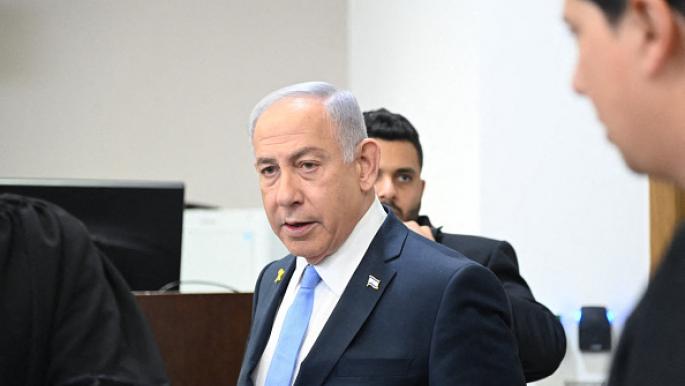
The Israeli Central Court granted Prime Minister Benjamin Netanyahu permission on Wednesday to cancel his appearance before it, where he was scheduled to face corruption charges. This decision comes at a sensitive time as Netanyahu is under rising political and security pressures.
The charges against Netanyahu involve several cases, including receiving illegal gifts and providing government services for private interests. This has sparked widespread controversy in the Israeli political arena, with some believing these issues could impact the stability of his current government.
Details of the Event
Netanyahu was supposed to appear in court to respond to the charges against him, but the court agreed to his request to cancel the session for political and security reasons. This decision reflects the increasing tensions in Israel, where Netanyahu is striving to maintain his authority amid multiple crises facing the country.
This decision follows a series of popular protests against the government, demanding early elections. This situation has raised significant concerns within political circles, as some believe Netanyahu is attempting to use his powers to evade legal accountability.
Background & Context
Historically, Netanyahu has faced numerous legal and political challenges, being the first Israeli Prime Minister to be charged with criminal offenses while in office. These cases are not new; they date back several years and have significantly affected his popularity.
These events coincide with escalating tensions in the region, as Israel deals with complex security issues, including the Palestinian conflict and tensions with Iran. These factors make it difficult for Netanyahu to focus on his legal issues.
Impact & Consequences
The cancellation of the trial session could have significant implications for the political landscape in Israel. It may strengthen Netanyahu's position against his opponents, but at the same time, it could intensify the criticisms directed at him from the opposition and the public.
This decision may also exacerbate political crises, potentially leading to more protests and calls for early elections. Under these circumstances, it seems that Netanyahu's political future may be at stake.
Regional Significance
The political developments in Israel have a significant impact on the Arab region. Netanyahu's continued leadership may mean the persistence of current Israeli policies towards the Palestinians, which could worsen conditions in the occupied territories.
Furthermore, any changes in Israeli leadership could affect relations with Arab countries, especially in light of the normalization attempts witnessed in recent years. Therefore, monitoring these events will be crucial for understanding the future of Israeli-Arab relations.
In conclusion, the question remains about how these developments will affect Netanyahu's political future and whether they will lead to radical changes in the Israeli political landscape.