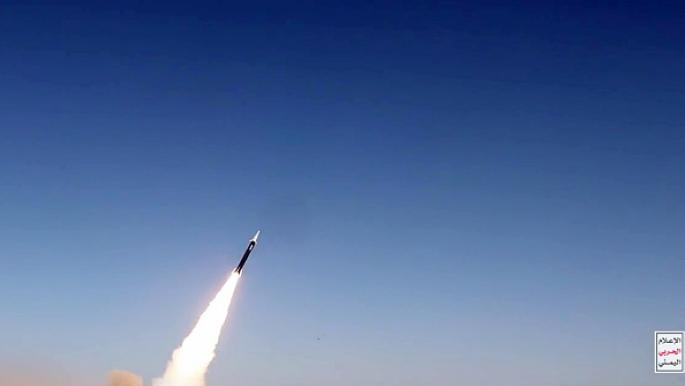
In a new development on the Yemeni front, the Houthi group, known as Ansar Allah, announced on Saturday the arrest of several individuals accused of working for Israel. This announcement comes at a time when the Israeli occupation army detected a missile launched from Yemeni territory, complicating the security situation in the region.
These events signal a rise in tensions between the Houthis and Israel, with growing fears of Yemeni territory being used as a platform for launching missiles towards Israeli targets. These developments have elicited varied reactions from regional and international powers, reflecting the complexities of the situation in the Middle East.
Details of the Incident
Local sources reported that the Houthis managed to dismantle a spy cell comprising individuals believed to be connected to Israel. The group's spokesperson clarified that this operation is part of their efforts to combat espionage and foreign interventions in Yemeni affairs. He also indicated that these individuals were gathering sensitive information for the Israeli occupation.
In the same context, the Israeli occupation army detected a missile launched from Yemeni territory, raising concerns about the potential escalation of missile attacks by the Houthis. Israeli military reports confirmed that this missile was launched late at night, but its target or any resulting damage has not been specified.
Background & Context
The roots of the conflict in Yemen date back to 2014 when the Houthis seized control of the capital, Sana'a, leading to the intervention of the Arab coalition led by Saudi Arabia in 2015. Since then, the country has witnessed an ongoing conflict that has deteriorated humanitarian and economic conditions.
In recent years, tensions between the Houthis and Israel have increased, with the group accusing the Israeli occupation of interfering in Yemeni affairs. There are also reports suggesting that the Houthis have received military and technical support from countries like Iran, complicating the conflict further.
Impact & Consequences
These events represent a serious escalation in the conflict, as they could lead to military reactions from Israel. If missile attacks from Yemen continue, Israel may resort to direct military action against the Houthis, increasing the likelihood of escalating the conflict in the region.
Furthermore, these developments may affect peace efforts in Yemen, as negotiations between the conflicting parties could stall due to rising tensions. These conditions may also impact the humanitarian situation in the country, where millions suffer from severe shortages of food and medicine.
Regional Significance
The repercussions of these events extend beyond Yemen, potentially affecting the stability of the entire region. Neighboring countries, such as Saudi Arabia and the UAE, may witness increased security tensions, complicating the situation in the Gulf region.
Additionally, these events could open the door to new external interventions, as countries like Iran may seek to bolster their support for the Houthis in the face of Israel. Under these circumstances, regional security remains threatened, necessitating intensified international efforts to reach peaceful solutions.
In conclusion, the recent events in Yemen highlight the complexities of conflicts in the region, where military, political, and humanitarian dimensions increasingly intertwine. Hope remains pinned on peace efforts, but significant challenges persist in achieving the desired stability.