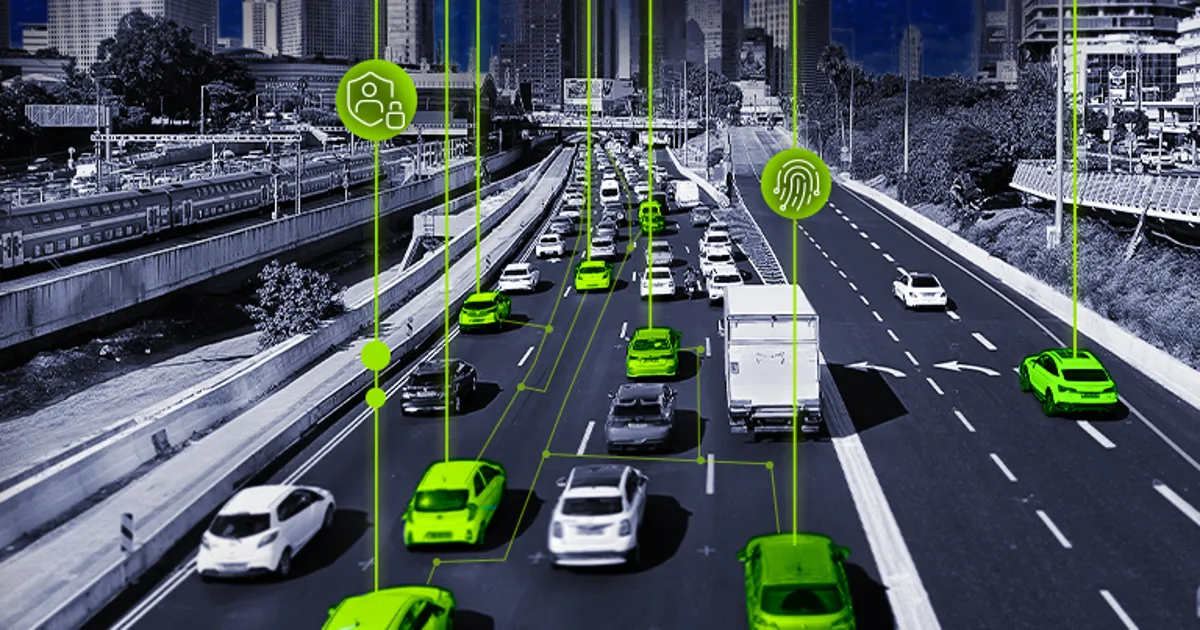
A recent report reveals how cars are transforming into advanced monitoring devices, tracking the movements and actions of drivers and pedestrians almost continuously. With the increasing use of wired and wireless communication technologies in cars, concerns about security privacy are growing. Cars are now like computers on wheels, continuously sending data to the cloud, which can potentially facilitate intruders in breaching the personal information of drivers.
Research indicates that there are advanced systems capable of monitoring the mental state of the driver by measuring tire pressure, driving speed, and even analyzing the sound inside the vehicle. This information, which is supposed to be private, raises many questions about how it will be used and who has the right to access it.
In light of this technological explosion, concerns are mounting regarding who will be responsible for protecting consumer data. Can car manufacturers ensure the security of the information stored in their systems?
The implications of this situation could be far-reaching, necessitating urgent new legislation to protect individual privacy in an era increasingly reliant on technology. Additionally, this situation raises questions about how these developments will impact the most vulnerable groups, as data could be exploited in targeted advertising in ways that unfairly violate their privacy.
Globally, this warning serves as a wake-up call to address the growing trends toward digitalization. The new situation requires more awareness regarding how personal data is handled, especially in regions heavily reliant on tech companies to develop transportation methods.
As for the Arab region, the introduction of these technologies may require a reevaluation of privacy and data protection laws. Given the increasing use of smart cars in major Arab cities, this topic appears to be of utmost importance that needs attention to protect citizens' rights regarding their personal data sharing.