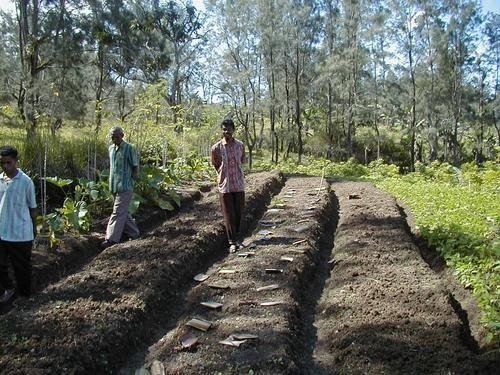
Crop farming in Indonesia is increasingly recognized as a vital part of the solutions to combat climate change. Reports indicate that sustainable agriculture can play a crucial role in reducing carbon emissions. Amid growing global pressures to minimize carbon footprints, crops such as coffee, cocoa, and coconut emerge as key components of the Indonesian economy.
Indonesia is one of the largest agricultural producers in the world, but the challenge lies in managing this agriculture in a way that achieves both environmental and economic benefits. Traditional agricultural systems do not reflect the true potential of these crops in carbon storage, necessitating a reevaluation of farming strategies.
Details on Sustainable Practices
Studies suggest that agricultural systems based on mixed farming, such as agroforestry, can store significant amounts of carbon. For instance, a coffee farming system can sequester approximately 18-21 tons of carbon per hectare, compared to a traditional coffee farming system that stores only about 10 tons. This difference highlights the importance of shade trees that enhance the system's capacity to store carbon.
In the case of cocoa, agroforestry systems can store up to 90 tons of carbon per hectare, demonstrating the vital role of soil in carbon storage. In some instances, this amount can exceed 100 tons in more complex systems.
Background & Context
Historically, Indonesia relied on traditional agriculture that did not consider environmental dimensions. However, climate change has become a pressing reality, prompting many countries to seek sustainable solutions. In this context, agroforestry represents a step towards achieving a balance between agricultural production and environmental conservation.
These transformations require investments in education and training for farmers, along with government policy support that encourages sustainable agriculture. There is also an urgent need to develop marketing strategies that highlight the benefits of these crops in reducing carbon emissions.
Impact & Consequences
Sustainable agriculture in Indonesia serves as a model for many developing countries, contributing to the achievement of sustainable development goals. By improving natural resource management, these agricultural systems can enhance food security and reduce poverty. Furthermore, promoting sustainable agriculture can open new avenues for international cooperation in environmental matters, thereby enhancing Indonesia's standing on the global stage.
As the world grapples with the realities of climate change, the role of sustainable agriculture becomes increasingly critical. It not only addresses environmental challenges but also fosters economic growth and social equity.
Regional Significance
In the Southeast Asian context, Indonesia's approach to sustainable agriculture can inspire neighboring countries facing similar challenges. By sharing knowledge and best practices, Indonesia can lead the way in establishing regional frameworks for sustainable farming that prioritize both economic viability and environmental stewardship.
In conclusion, the potential for carbon storage in crop farming in Indonesia is significant. By embracing sustainable agricultural practices, the country can mitigate climate change impacts while bolstering its economy and improving the livelihoods of its farmers.