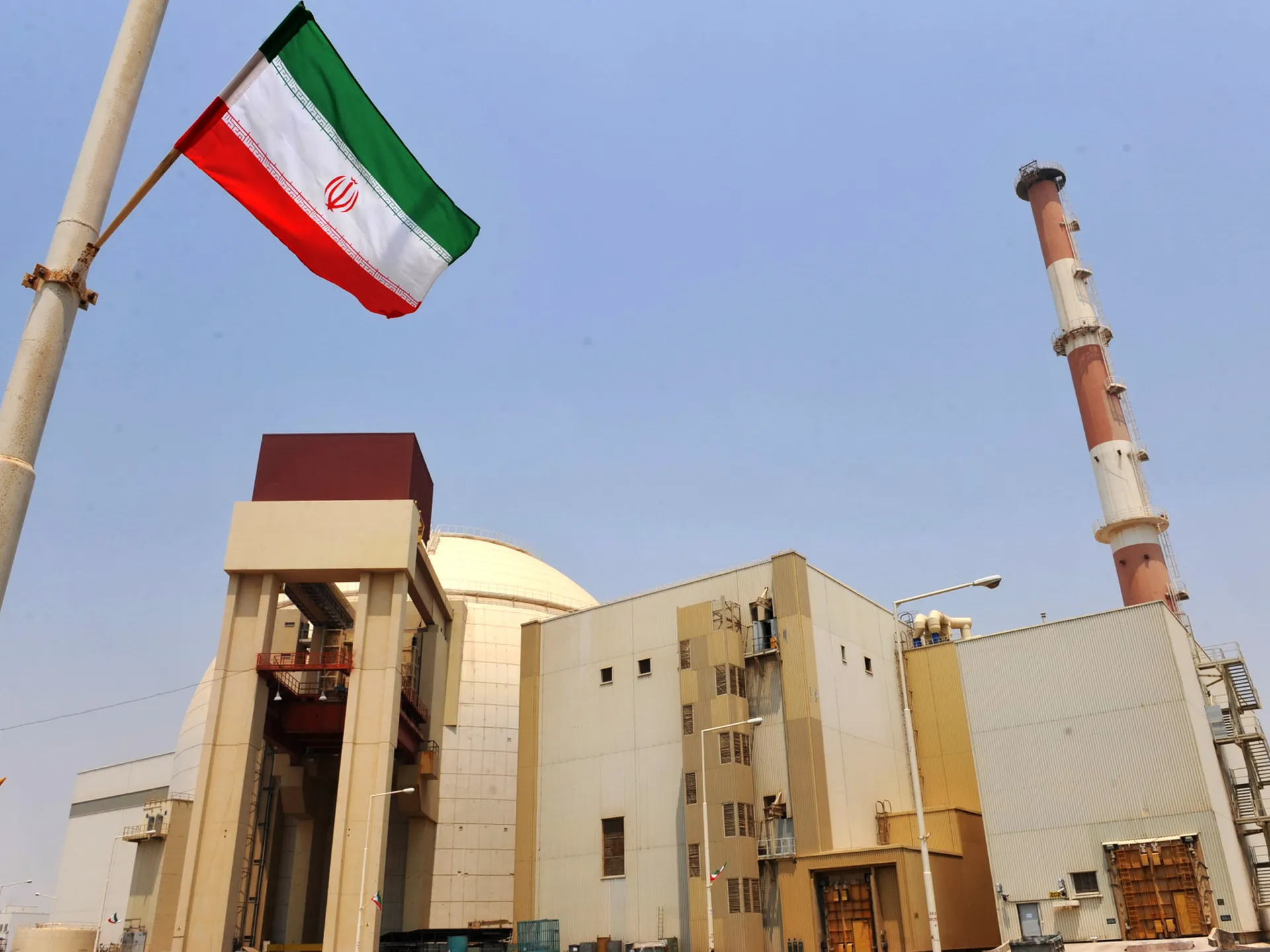
U.S. and Israeli strikes avoid targeting the core of Iranian nuclear facilities, as both sides exchange carefully calculated nuclear messages to prevent a radiological disaster. Military expert Brigadier General Hassan Jouni explains the details of this equation.
Brigadier Jouni highlighted the phenomenon characterizing the current confrontation between Iran and its rivals, where both sides exchange nuclear messages with extreme caution, never crossing implicitly agreed red lines, fearing a slip into a regional radiological catastrophe that no one can bear the consequences of.
Details of the Event
During a military analysis on Al Jazeera, Jouni clarified that this equation was clearly manifested in the nature of U.S. and Israeli strikes on the Arak, Yazd, Fordow, and Isfahan facilities. The strikes targeted intermediate stages in the nuclear fuel production chain without touching the core of the facilities, reflecting both parties' commitment to avoiding escalation.
He also noted that the International Atomic Energy Agency has not recorded any dangerous radioactive emissions so far, proving that both parties are adhering to the minimum of the agreed-upon red lines.
In a related context, journalist Abdel Qader Arada monitored through an interactive map the geographical distribution of the targets, where the strikes affected the Arak heavy water reactor, which the Iranian side seeks to restart after it was targeted last June. The Israeli army described this attempt as a resumption of neutron production used in nuclear bombs.
Context and Background
Iranian nuclear facilities are a sensitive topic in the regional and international conflict, as Iran seeks to develop its nuclear program amid fears that this could lead to a nuclear arms race in the region. Recent years have seen an escalation in tensions between Iran and the United States and its allies, making it essential for both sides to exercise caution in exchanging nuclear messages.
The targeting of the Yazd facility, which produces "yellowcake," the essential raw material in the uranium enrichment chain, highlights the importance of these facilities in the Iranian nuclear program. Additionally, the strikes that affected Isfahan included power plants and steel factories, revealing the widening scope of targeting to include the industrial infrastructure surrounding the nuclear system.
Impact and Consequences
Brigadier Jouni believes that the Iranian nuclear program involves two main pathways; the first is the uranium pathway through centrifuges, and the second is the plutonium pathway that originates from heavy water. The danger of targeting Arak lies in striking the plutonium pathway at its core, while targeting Yazd affects the "yellowcake," which is considered the bottleneck in the nuclear program.
Regarding the significance of these targets, Jouni pointed out that Iran, in turn, sent its nuclear message when it targeted the vicinity of Dimona, just kilometers from the Israeli nuclear reactor, without affecting the reactor itself, reflecting a clear balance in the approach of both parties.
Impact on the Arab Region
This cautious exchange of nuclear messages represents a fundamental characteristic of the current phase, as it remained confined for an entire month within the framework of aerial fire exchanges, away from any ground action or actual targeting that exceeds the implicitly agreed minimum. This situation raises concerns among neighboring Arab countries, which fear the repercussions of any potential escalation in the region.
In conclusion, Jouni emphasized that the timing of these targets falls within the context of raising the ceiling of objectives and the threat of more impactful strikes, making the exchanged messages take on a strategic character that casts shadows on the outcomes of the upcoming phase.